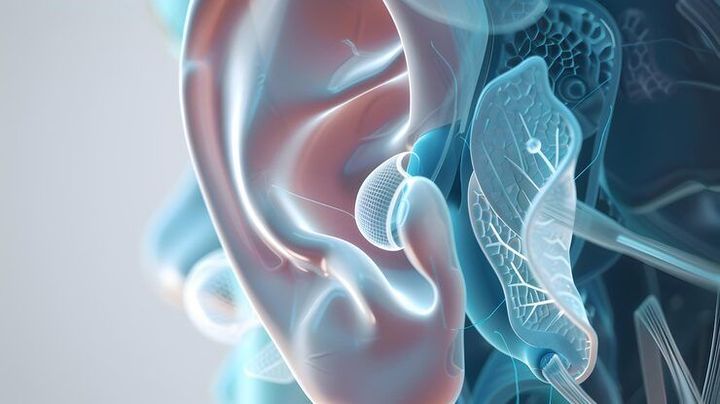
The human ear contains delicate structures, including hair cells inside the cochlea, which convert sound vibrations into signals sent to the brain. These cells are highly sensitive and can become damaged by loud sound exposure or certain health conditions. Once damaged, they typically do not regenerate.
Hearing loss prevention focuses on reducing risks through awareness, early detection, and protective habits. Many causes of hearing damage are avoidable or manageable with proper care.
Common Causes of Hearing Damage
Several everyday factors can contribute to hearing loss if not managed properly:
-
Prolonged exposure to loud noise
-
High-volume headphones or earbuds
-
Aging-related hearing decline
-
Certain medications affecting hearing
-
Ear infections or untreated conditions
-
Workplace noise exposure
Preventive strategies aim to reduce these risks and support long-term hearing health.
Why Hearing Loss Prevention Matters Today
Hearing health has become increasingly important due to rising noise exposure and widespread use of personal audio devices. Many cases of hearing impairment are linked to preventable causes.
Certain groups are more vulnerable to hearing damage:
-
Children and teenagers using headphones frequently
-
Workers in noisy industries
-
Musicians and entertainment professionals
-
Older adults
-
Individuals in high-noise urban areas
Modern environments expose people to continuous noise from traffic, machinery, and music, which can gradually damage hearing over time.
Challenges Caused by Hearing Loss
Hearing impairment can affect daily life in several ways:
-
Difficulty understanding conversations
-
Reduced awareness of surroundings
-
Communication barriers in education and workplaces
-
Social isolation
-
Increased mental effort while listening
Preventing hearing damage helps reduce these challenges and improves overall quality of life.
Common Noise Levels and Safe Exposure
Understanding sound intensity helps individuals make safer choices:
| Sound Source | Average Noise Level | Recommended Exposure Duration |
|---|
| Normal conversation | 60 dB | Safe for long periods |
| Busy traffic | 80–85 dB | Limit long-term exposure |
| Motorcycle engine | 95 dB | Short exposure recommended |
| Concert or loud music | 100–110 dB | Hearing protection advised |
| Fireworks or sirens | 120–140 dB | Immediate protection required |
Recent Updates and Emerging Trends in Hearing Health
Hearing health research continues to evolve, with increased attention on prevention and early detection. Global awareness campaigns in 2025 have highlighted the importance of safe listening, especially among young people.
Key Trends in Hearing Health
Recent developments include:
-
Increased research on youth hearing risks
-
Greater awareness of safe headphone usage
-
Growth of digital hearing screening tools
-
AI-powered hearing analysis technologies
-
Stronger workplace hearing protection programs
Wearable devices can now monitor environmental noise and alert users when sound levels exceed safe limits.
Digital and Telehealth Innovations
Technology is transforming hearing care in several ways:
-
Remote hearing assessments through telehealth platforms
-
Mobile apps for noise level tracking
-
Online consultations with hearing specialists
These innovations improve accessibility and encourage proactive hearing care.
Laws, Regulations, and Government Programs
Many countries have implemented regulations to protect individuals from harmful noise exposure, especially in workplaces. These policies aim to reduce long-term hearing damage.
Examples of Regulatory Frameworks
-
Workplace noise limits set by occupational safety authorities
-
Employer requirements for hearing conservation programs
-
Environmental noise control regulations
-
Public awareness campaigns and school screening programs
In India, guidelines from environmental authorities define acceptable noise levels for different zones such as residential and industrial areas.
Tools and Resources for Hearing Health Awareness
Various tools and resources help individuals monitor and protect their hearing. These tools support better awareness and safer listening habits.
Common Hearing Health Tools
-
Noise level measurement apps
-
Online hearing screening tools
-
Educational platforms about hearing safety
-
Awareness campaigns and guidelines
Smartphone apps can measure sound levels in real time and alert users to potential risks.
Hearing Protection Strategies
| Prevention Strategy | Description |
|---|
| Safe listening practices | Maintain moderate volume levels |
| Hearing protection devices | Use earplugs or earmuffs |
| Regular hearing checks | Monitor hearing ability over time |
| Limiting exposure time | Reduce time in noisy environments |
| Workplace safety measures | Implement noise control systems |
Some workplaces also use engineering controls such as sound barriers and quieter equipment to reduce noise exposure.
Frequently Asked Questions About Hearing Loss Prevention
What is noise-induced hearing loss?
Noise-induced hearing loss occurs when prolonged exposure to loud sounds damages the inner ear. This damage may become permanent if preventive measures are not taken.
How loud is considered harmful?
Sounds above 85 decibels can be harmful with long exposure. Extremely loud sounds above 120 decibels can cause immediate damage.
Can hearing loss be prevented completely?
Not all hearing loss can be prevented, especially age-related or medical conditions. However, many noise-related cases can be avoided through protective habits.
How do personal audio devices affect hearing?
High-volume listening through headphones or earbuds can expose ears to harmful sound levels. Experts recommend keeping volume below 60% of maximum.
Why are regular hearing tests important?
Regular hearing tests help detect early changes in hearing ability. Early detection allows timely preventive action.
Additional Insights into Noise Exposure and Safety
Sound exposure accumulates over time, meaning even moderate noise can cause damage with repeated exposure. Understanding this helps individuals take preventive steps.
Safe Exposure Duration by Noise Level
| Noise Level | Approximate Safe Exposure Time |
|---|
| 85 dB | 8 hours |
| 88 dB | 4 hours |
| 91 dB | 2 hours |
| 100 dB | 15 minutes |
| 110 dB | Less than 2 minutes |
As sound intensity increases, safe exposure time decreases significantly.
Educational programs often promote safe listening habits, including taking breaks and using protection in loud environments.
Conclusion
Hearing loss prevention is essential for maintaining long-term health and quality of life. As modern environments become louder, awareness of hearing safety continues to grow.
Protective habits such as limiting noise exposure, monitoring sound levels, and regular hearing checks can significantly reduce risks. Advances in technology and public health initiatives are making hearing care more accessible and effective.
By understanding risks and adopting preventive measures, individuals can protect their hearing and maintain better communication and overall well-being.