Height-Adjustable Workstations: Complete Guide to Ergonomic Office Setup
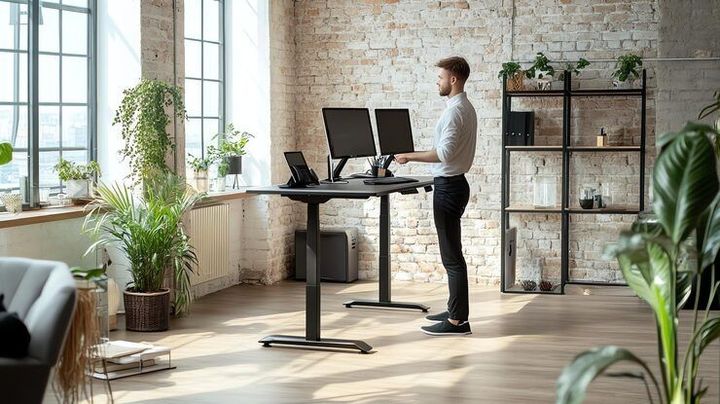
Height-adjustable workstations are desks or office setups designed to allow users to change their working position between sitting and standing. These workstations are often called sit-stand desks or ergonomic workstations because they support healthier posture and flexible work positions throughout the day.
The concept of adjustable work surfaces comes from ergonomic workplace design, which focuses on improving comfort, efficiency, and long-term health. Traditional desks often require employees to sit for long periods, which may lead to physical strain and reduced mobility. Height-adjustable workstations address this issue by allowing users to alternate between sitting and standing.
In modern office environments, these workstations are often part of a broader ergonomic setup. They are designed to support movement and adaptability throughout the workday.
Common Components of Adjustable Workstations
A typical ergonomic workstation may include the following elements:
- Electric or manual adjustable desks
- Dual-monitor arms and adjustable monitor mounts
- Adjustable keyboard trays
- Anti-fatigue floor mats
- Ergonomic office chairs
Many adjustable desks use electric motors controlled by buttons or touch panels. Some advanced models also store preferred height settings for multiple users.
Why Ergonomic Workstations Matter in Today’s Workplace
The importance of ergonomic workstations has increased due to the rise of digital work. Many professionals spend extended hours on computers, leading to potential health concerns. Height-adjustable desks help reduce these risks by encouraging movement throughout the day.
Alternating between sitting and standing can improve posture, circulation, and overall comfort. This flexibility supports both productivity and employee well-being.
Who Benefits from Ergonomic Workstations
Several groups can benefit from ergonomic workstation setups:
- Office employees working long hours
- Remote workers and home office users
- Software developers and IT professionals
- Designers, editors, and analysts
- Students and researchers
Common Workplace Challenges Addressed
Height-adjustable workstations help reduce:
- Neck and shoulder strain
- Lower back discomfort
- Reduced physical movement
- Productivity interruptions caused by discomfort
Organizations often include ergonomic furniture in workplace wellness programs. These initiatives aim to improve employee engagement and long-term productivity.
Recent Trends and Developments in Ergonomic Office Design
Workplace trends in 2025 have significantly influenced ergonomic furniture design. Hybrid work models have increased demand for flexible and adaptable workstations. These desks can accommodate multiple users and different work environments.
Smart technology integration is another major trend. Modern adjustable desks now include digital and connectivity features to enhance usability.
Key Innovations in Adjustable Workstations
Recent advancements include:
- Digital posture reminders
- App-based usage tracking
- Built-in USB charging ports
- Wireless charging surfaces
- Height memory presets
The concept of dynamic working—switching between sitting, standing, and movement—has gained attention. This approach promotes better health compared to remaining in a single position.
Emerging Design Trends
Other notable trends include:
- Compact desks for home offices
- Sustainable and eco-friendly materials
- Modular office furniture systems
- Integrated cable management
AI-assisted office analytics is also emerging. These systems help organizations analyze workspace usage and improve office layouts.
Workplace Regulations and Ergonomic Policies
Ergonomic workstations are often linked to workplace safety guidelines. These regulations aim to reduce musculoskeletal disorders caused by poor posture or repetitive tasks.
Different regions provide guidance on ergonomic practices, even if specific furniture is not mandated.
Key Regulatory Influences
- Occupational safety guidelines promoting ergonomic design
- Recommendations for adjustable furniture
- Encouragement of regular movement breaks
- Employee training on posture and workstation setup
In India, ergonomic awareness is growing in sectors such as IT, finance, and digital services. Organizations increasingly implement internal policies to improve workplace health.
Helpful Tools and Resources for Ergonomic Office Setup
Various tools help individuals and organizations design effective ergonomic workstations. These tools ensure proper alignment and support healthy working habits.
Common Ergonomic Tools
- Ergonomic assessment checklists
- Posture analysis apps
- Desk height calculators
- Office layout planning software
- Wellness tracking tools
Desk height calculators are especially useful for determining proper desk and monitor positioning. They help maintain correct posture based on body measurements.
Recommended Workstation Alignment
| Workstation Element | Recommended Position |
|---|---|
| Monitor height | Top of screen at or slightly below eye level |
| Keyboard height | Elbows at approximately 90 degrees |
| Desk height | Supports neutral wrist posture |
| Monitor distance | About an arm’s length away |
| Foot support | Feet flat on floor or footrest |
Suggested Sit-Stand Routine
| Work Position | Suggested Duration |
|---|---|
| Sitting | 30–45 minutes |
| Standing | 15–30 minutes |
| Movement break | 2–5 minutes |
These recommendations may vary depending on individual needs and tasks.
Frequently Asked Questions About Height-Adjustable Workstations
What is a height-adjustable workstation?
A height-adjustable workstation is a desk that allows users to change its height. This enables switching between sitting and standing positions during work.
Why are adjustable desks considered ergonomic?
They support ergonomic principles by allowing users to maintain comfortable postures. This helps reduce physical strain and improve efficiency.
How often should positions be changed?
Many guidelines suggest switching every 30 to 60 minutes. However, this can vary depending on personal comfort and job requirements.
Do adjustable desks replace ergonomic chairs?
No. Ergonomic chairs are still important because sitting remains part of the workday. Adjustable desks complement, rather than replace, chairs.
Can these desks be used in home offices?
Yes. They are widely used in home office setups to create flexible and comfortable work environments.
Conclusion
Height-adjustable workstations play an important role in modern office design. They support movement, improve posture, and help reduce discomfort associated with prolonged sitting.
As workplaces evolve with hybrid models and smart technologies, ergonomic furniture is becoming essential. Tools, policies, and design innovations continue to shape healthier and more productive work environments.