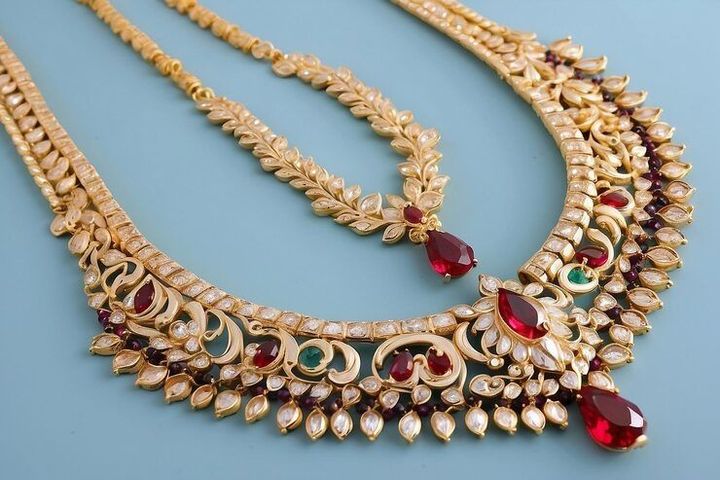
Heirloom Necklace Collections: Explore History, Styles, and Family Heritage
Heirloom necklace collections refer to pieces of jewelry that are passed down through generations within families or communities. These necklaces often carry cultural meaning, historical significance, and personal stories that connect past generations with the present.
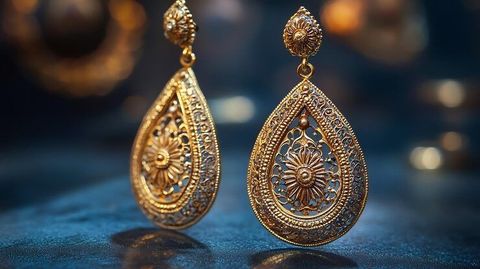
Heirloom necklaces are more than decorative accessories; they represent tradition, craftsmanship, and family heritage. These pieces often include antique jewelry, vintage gemstone necklaces, and culturally symbolic designs passed down through generations.
Families preserve heirloom necklaces not only for their beauty but also for their emotional and historical significance. They serve as physical connections to ancestry, identity, and shared family stories.
Historical Significance of Heirloom Jewelry
Historically, heirloom jewelry played an important role in marking life events such as weddings, births, and ceremonies. Over time, these necklaces became treasured family possessions preserved for future generations.
Many heirloom necklace collections originate from key historical periods that continue to influence modern jewelry design. These styles reflect evolving artistic trends and craftsmanship techniques.
Key Characteristics of Traditional Heirloom Necklaces
Traditional heirloom necklaces often feature distinctive materials and techniques, including:
- Precious metals such as gold, platinum, or silver
- Natural gemstones like diamonds, rubies, emeralds, and sapphires
- Intricate craftsmanship such as filigree or engraving
- Cultural motifs symbolizing heritage or lineage
Major Historical Jewelry Periods
| Jewelry Style | Historical Period | Key Features |
|---|---|---|
| Victorian | 1837–1901 | Romantic motifs, lockets, floral designs |
| Edwardian | 1901–1915 | Platinum settings, delicate lace-like patterns |
| Art Deco | 1920–1935 | Geometric shapes, bold gemstone contrasts |
| Traditional Cultural Jewelry | Various periods | Regional symbolism and handcrafted techniques |
Why Heirloom Necklace Collections Matter Today
Heirloom necklaces remain relevant because they connect individuals to their cultural identity and family history. In a fast-changing digital world, these tangible items provide a sense of continuity and tradition.
They also play an important role in education and historical research. Scholars and designers study these pieces to understand traditional techniques and artistic trends.
Key Reasons for Their Importance
- Preserve family stories and traditions
- Reflect long-term craftsmanship and artistry
- Support cultural heritage preservation
- Provide insight into historical fashion and trade
Heirloom jewelry can also reveal historical trade routes and gemstone sourcing patterns. For example, certain necklaces show connections between Asia, Europe, and the Middle East.
Recent Updates in Heirloom Jewelry Trends
Interest in heirloom jewelry has increased significantly in recent years, driven by sustainability and cultural awareness. Modern approaches are helping preserve and reinterpret these traditional pieces.
Key Trends (2024–2025)
- Growth of digital archiving for family jewelry collections
- Use of advanced gemstone identification technologies
- Increased focus on sustainable and circular fashion
- Expansion of museum exhibitions on historic jewelry
- Adoption of high-resolution scanning for preservation
Genealogy research has also contributed to renewed interest in documenting heirloom jewelry. Families are now more focused on preserving both the physical items and their associated stories.
Legal and Cultural Regulations Affecting Heirloom Jewelry
Heirloom necklaces are often subject to legal and cultural regulations, especially when considered valuable artifacts. These rules help protect heritage and ensure proper documentation.
Common Regulatory Areas
- Cultural heritage protection laws
- Gemstone certification standards
- Precious metal hallmarking requirements
- Inheritance and estate planning laws
Hallmarking helps verify metal purity, while gemstone certification confirms authenticity and origin. These standards support both collectors and historians.
Helpful Tools and Resources for Study
Various tools and resources can help individuals explore heirloom necklace collections and understand their significance. These resources are widely used by researchers, collectors, and families.
Common Tools
- Gemstone identification guides
- Jewelry appraisal books
- Digital heritage catalog platforms
- Museum databases and archives
- Jewelry design history references
Example of Heirloom Documentation
| Feature | Description |
|---|---|
| Material | Gold with natural gemstones |
| Craft Technique | Hand engraving |
| Cultural Origin | Regional traditional design |
| Estimated Era | Early 20th century |
Documenting these details helps preserve the historical narrative and ensures future generations understand the value of the piece.
Frequently Asked Questions
What makes a necklace an heirloom piece?
A necklace becomes an heirloom when it is passed down through generations and holds cultural, historical, or family significance.
How old does jewelry need to be to qualify?
There is no fixed age requirement. Some heirloom pieces may be decades old, while others are over a century old.
Why are heirloom necklaces important in traditions?
They symbolize family heritage, social identity, and important life events such as marriages or ceremonies.
Can heirloom necklaces include modern elements?
Yes, some pieces are restored or redesigned with modern materials while preserving their original features.
How can families preserve heirloom jewelry history?
Families can maintain written records, photographs, and digital documentation describing the necklace’s origin and significance.
Conclusion
Heirloom necklace collections are meaningful cultural artifacts that connect individuals to their past. They preserve craftsmanship, artistic techniques, and family traditions across generations.
With advancements in digital documentation and growing awareness of sustainability, interest in heirloom jewelry continues to rise. Proper preservation and documentation ensure these valuable pieces remain part of global heritage for future generations.