HP Guide: Explore Computers, Laptops, Printers, Technology, and Digital Solutions
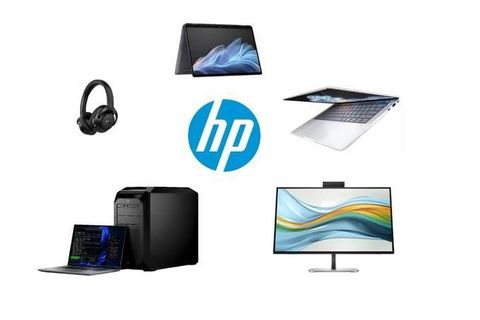
HP is a global technology company known for computers, laptops, printers, displays, accessories, and digital tools.
An HP guide can help beginners and experienced users understand the different product categories, their common uses, and the technology behind modern computing and printing.
Today, HP technology covers everyday computing, professional workloads, education, creative activities, document management, and connected printing. Recent developments also include artificial intelligence features in selected computers and printers, making it useful to understand how these technologies work and where they may fit into different digital environments.
Context
HP, originally associated with Hewlett-Packard, has a long history in computing and printing technology. Over time, its product portfolio has expanded across personal computers, business computing, printers, monitors, accessories, and software-based digital tools.
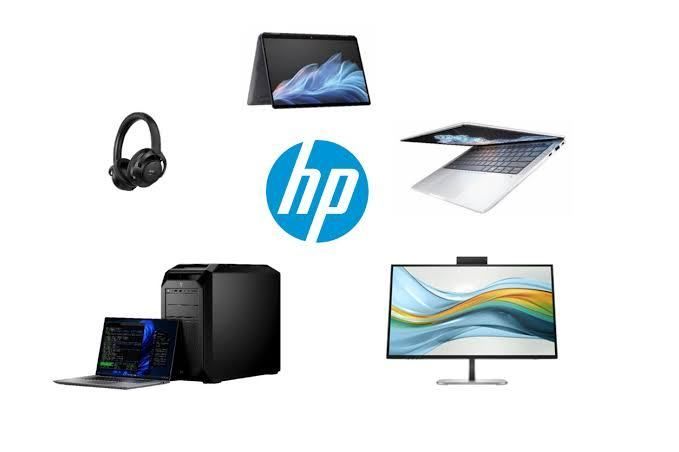
HP computers are generally available in several forms, including laptops, desktop computers, and all-in-one systems. Laptops are designed around portability, while desktops can provide a larger workspace and different hardware configurations. All-in-one computers combine the main computing components with a display in a single enclosure.
Printers form another major part of the HP technology ecosystem. Common categories include inkjet printers, laser printers, multifunction printers, photo printers, and business-oriented printing equipment. Multifunction models can combine printing, scanning, and copying in one device.
Modern HP technology also incorporates artificial intelligence. HP describes its AI PC range as including systems designed to run selected AI workloads locally or through cloud-based computing environments. These computers can use dedicated processing capabilities for applications involving data analysis, content creation, graphics, and other demanding workloads.
| HP Technology Area | Common Purpose | Examples |
|---|---|---|
| Laptops | Portable computing | Study, work, communication |
| Desktop PCs | Stationary computing | Office work, creation, analysis |
| All-in-One PCs | Integrated computing | Home and workplace use |
| Printers | Document output | Text, images, reports |
| Multifunction Printers | Multiple document tasks | Print, scan, copy |
| Monitors | Visual display | Computing, design, entertainment |
| Accessories | Expand functionality | Keyboards, mice, docking equipment |
Importance
Understanding HP computers and digital technology matters because different users have different computing requirements. A student may need portability and battery efficiency, while a creative professional may place greater importance on processing capability, graphics performance, memory, and display quality.
Businesses can also use computers and printers for document workflows, communication, data processing, presentations, and record management. In educational environments, laptops and desktops can support research, online learning, programming, writing, and multimedia activities.
Printer selection can also depend on the type and frequency of documents being produced. Inkjet technology is commonly associated with color documents and photographs, while laser technology is widely used for text-heavy documents and larger office workloads.
Digital security is another important consideration. Computers and printers can connect to networks, cloud platforms, mobile devices, and organizational systems. Users should therefore keep operating systems and applications updated, use strong authentication practices, and understand which devices have access to shared networks.
Accessibility is also increasingly relevant. Features such as adjustable displays, keyboard accessibility, screen-reading compatibility, voice interaction, and simplified interfaces can help different users interact with computing technology.
Recent Updates
A major technology trend is the integration of artificial intelligence into personal computing. HP's current AI PC range includes products under the OmniBook and OmniDesk families, with selected systems designed to handle AI-related workloads on the device. HP also describes applications such as generative AI, large-language-model workloads, graphics processing, and data analysis as areas where AI-capable hardware can be useful.
AI is also appearing in printing. HP's current AI printer information describes features for improving print formatting and transforming scanned documents into searchable or editable files. Selected printer families introduced support for HP AI features from 2025 onward, with additional LaserJet Pro models listed for 2026.
Another development is the growing connection between hardware and software. Modern computers can combine dedicated processors, graphics capabilities, AI processing units, cloud applications, security technologies, and wireless connectivity. Printers similarly increasingly interact with computers, smartphones, networks, and digital document platforms.
Sustainability is another continuing technology trend. Electronic equipment contains materials that can potentially be recovered and reused, while inappropriate disposal can create environmental concerns. The European Commission's WEEE framework focuses on collection, proper treatment, reuse, recycling, and recovery of electrical and electronic equipment.
Laws or Policies
Technology products are affected by different laws depending on the country where they are manufactured, distributed, used, or discarded. These rules can address electrical safety, radio equipment, privacy, accessibility, environmental protection, energy efficiency, and electronic waste.
In India, the E-Waste (Management) Rules, 2022 came into force on April 1, 2023. The rules cover manufacturers, producers, refurbishers, dismantlers, and recyclers associated with specified electrical and electronic equipment. They establish requirements concerning electronic-waste management and related responsibilities.
India's Ministry of Environment, Forest and Climate Change also lists subsequent amendments to the E-Waste Management Rules, including amendments from 2023 and 2024.
In the European Union, the WEEE framework establishes requirements concerning separate collection and appropriate treatment of electronic waste. The European Commission published an evaluation of the WEEE Directive in July 2025 as part of its continuing review of the framework.
The EU has also adopted Directive 2024/1799 concerning common rules that promote repair of certain goods. Its provisions include requirements related to repair, spare parts, information, and consumer access for products covered by applicable EU legislation.
Users should check the rules applicable in their own country because requirements can differ by location and product category.
Tools and Resources
Several resources can help users understand HP computers, laptops, printers, and related technologies.
Useful resources include:
- HP's official product documentation for specifications and compatibility information.
- HP support documentation for setup and troubleshooting guidance.
- Microsoft Windows documentation for operating-system features and device settings.
- Manufacturer documentation for processors, graphics hardware, memory, and connectivity standards.
- Government environmental portals for electronic-waste requirements.
- European Commission resources for WEEE rules and electronic-equipment policies.
For AI-enabled printing, HP states that selected AI printing functions require Windows 11 and the HP app, with availability depending on the supported printer, location, language, and feature.
When researching a computer or printer, useful specifications to compare include processor type, memory, storage, display characteristics, connectivity, operating-system compatibility, printing technology, paper capacity, scanning capability, and energy-related information.
FAQs
What is HP best known for?
HP is widely associated with personal computers, laptops, printers, displays, accessories, and related digital technologies. Its portfolio includes products for home, education, creative activities, and workplace environments.
What are HP AI PCs?
HP AI PCs are computers designed with hardware and software capabilities for selected artificial-intelligence workloads. HP describes applications including generative AI, data analysis, graphics processing, and other demanding computing tasks.
What types of HP printers are available?
HP's printer portfolio includes inkjet, laser, multifunction, photo, home, office, and enterprise-oriented printer categories. Specific features vary by model and region.
Does HP use AI in printers?
Yes. HP currently describes AI features for selected printers, including print-format optimization and document scanning capabilities that can create searchable or editable digital documents.
How should old HP electronic equipment be handled?
Electronic equipment should be handled according to the applicable electronic-waste rules in the user's country. In India, the E-Waste (Management) Rules, 2022 establish a regulatory framework for specified electronic equipment and related waste-management activities.
Conclusion
HP technology spans computers, laptops, printers, displays, accessories, and digital solutions for a wide range of everyday and professional activities. Understanding product categories, hardware capabilities, software compatibility, AI features, security considerations, and environmental responsibilities can help users make informed technology decisions.
Recent developments show a stronger connection between computing hardware, artificial intelligence, document processing, and connected devices. At the same time, electronic-waste rules and repair-related policies are shaping how technology products are designed, used, maintained, and handled at the end of their working life.
For accurate specifications and feature availability, users should consult current manufacturer documentation and applicable government resources. Product capabilities can vary by model, operating system, country, language, and release date.
Technology changes quickly, so checking current documentation is especially important when evaluating AI features, connectivity, operating-system compatibility, and regulatory requirements.