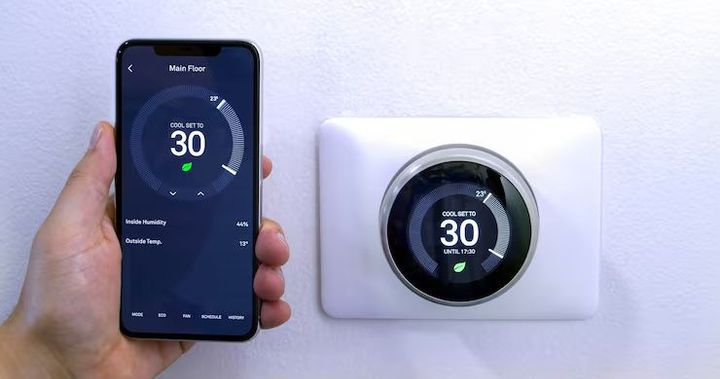
Humidity sensors are essential for measuring moisture levels in the air, which directly impact comfort, product quality, equipment performance, and safety. High humidity can lead to mold growth, while low humidity may cause static electricity or material degradation.
Modern humidity sensors integrate with digital systems, enabling real-time monitoring and automated control. They are widely used in IoT environments, smart systems, and industrial automation setups.
Why Humidity Sensors Matter Today
Humidity control has become increasingly important due to climate changes, urbanization, and the growth of precision-driven industries. These sensors help maintain optimal conditions across various environments.
Key Importance Across Sectors
Industrial Efficiency
-
Maintains product quality in pharmaceuticals, food, and electronics
-
Reduces defects caused by moisture imbalance
Healthcare Applications
-
Controls infection risks
-
Maintains patient comfort and safe environments
Agriculture Optimization
-
Supports greenhouse climate control
-
Improves irrigation planning and crop yield
Energy Efficiency
-
Optimizes HVAC systems
-
Reduces unnecessary energy consumption
Data Centers
-
Prevents static discharge
-
Protects sensitive electronic equipment
Humidity sensors solve issues like material spoilage, equipment malfunction, and environmental discomfort. Their role continues to expand with automation and data-driven systems.
Recent Updates and Industry Trends (2024–2025)
Humidity sensing technology has evolved significantly with advancements in connectivity and intelligence.
Key Developments
-
IoT integration (2024): Enables remote monitoring through cloud platforms
-
Miniaturization (2025): Smaller sensors with higher accuracy and faster response
-
AI-based climate control (2025): Predicts environmental changes and automates adjustments
-
Sustainability focus: Reduces energy consumption using precise humidity control
-
Wireless sensor networks: Supports large-scale monitoring in agriculture and industry
These trends reflect a shift toward smarter, more connected environmental monitoring systems.
Laws, Standards, and Regulatory Considerations
Humidity sensors are often used in regulated environments where precise environmental control is required.
Key Standards and Regulations
-
Bureau of Indian Standards (BIS) for industrial monitoring devices
-
ISO standards (e.g., ISO 14644 for cleanrooms)
-
Food safety regulations for storage and processing
-
Pharmaceutical GMP guidelines for controlled environments
-
Building codes for HVAC and indoor air quality
Compliance ensures safety, quality, and operational reliability in critical environments.
Tools and Resources for Humidity Monitoring
Various tools support humidity measurement, monitoring, and analysis in different applications.
Common Tools
-
Digital hygrometers for quick measurements
-
Data loggers for long-term recording
-
IoT platforms for real-time dashboards and alerts
-
Calibration tools for accuracy verification
-
Mobile apps for remote monitoring
Humidity Sensor Technologies Comparison
| Sensor Type | Accuracy Level | Response Time | Typical Use Case |
|---|
| Capacitive | High | Fast | HVAC, industrial systems |
| Resistive | Moderate | Medium | Consumer electronics |
| Thermal | High | Slow | Scientific and research |
These tools help ensure accurate and reliable environmental monitoring.
Applications Across Industries
Humidity sensors are used across a wide range of industries due to their versatility.
Agriculture
-
Greenhouse climate control
-
Soil moisture correlation
-
Crop storage monitoring
Industrial Manufacturing
-
Process control in production lines
-
Material drying and storage
-
Quality assurance
Healthcare
-
Operating rooms and ICUs
-
Medical equipment storage
-
Laboratory environments
Smart Buildings
-
HVAC automation
-
Indoor air quality monitoring
-
Energy management
Electronics and Data Centers
-
Static control
-
Equipment protection
-
Environmental stability
Impact of Relative Humidity
Maintaining proper humidity levels is essential for comfort and material protection.
Humidity Level Effects
| Relative Humidity (%) | Impact on Environment |
|---|
| 0–30% | Dry air, static electricity |
| 30–60% | Comfortable and optimal range |
| 60–80% | Increased moisture, discomfort |
| 80–100% | High risk of mold and damage |
Frequently Asked Questions
What is the main function of a humidity sensor?
It measures moisture levels in the air and provides data to maintain optimal environmental conditions.
Where are humidity sensors used?
They are used in:
-
Agriculture
-
Healthcare
-
Manufacturing
-
Smart buildings
-
Data centers
How accurate are modern humidity sensors?
Modern sensors can achieve accuracy levels of around ±2% relative humidity, depending on calibration and type.
Do humidity sensors require maintenance?
Yes, regular calibration and cleaning are necessary to maintain accuracy.
What is the difference between relative and absolute humidity?
-
Relative humidity: Percentage of moisture relative to maximum capacity
-
Absolute humidity: Actual amount of moisture in the air
Conclusion
Humidity sensors are vital components in modern environmental monitoring systems. They help maintain efficiency, safety, and comfort across various industries and applications.
With advancements in IoT, AI, and sensor technology, humidity monitoring has become more precise and integrated into smart systems. These developments continue to expand their role in automation and sustainability.
Understanding humidity sensors, their applications, and regulatory requirements enables better decision-making in both industrial and everyday environments.