Ice Cream Making Machine Overview: Types, Features, and Uses
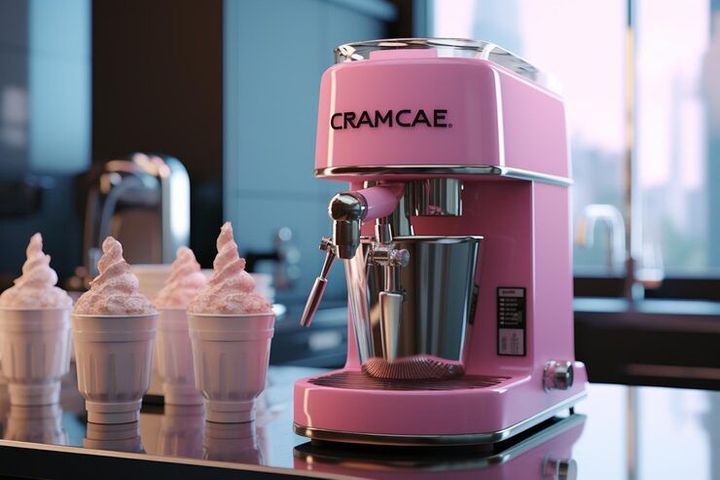
Ice cream making machines have transformed how frozen desserts are prepared, making it easier to create smooth, creamy, and customizable treats at home or in commercial settings. Whether it is a simple countertop ice cream maker or a high-capacity commercial ice cream maker, these machines offer consistency and efficiency that manual methods cannot match.
Understanding how these machines work, their different types, and their key features can help users choose the right option for their needs. This guide explores everything from basic models to advanced systems, along with their practical uses in modern kitchens and businesses.
Understanding Ice Cream Making Machines
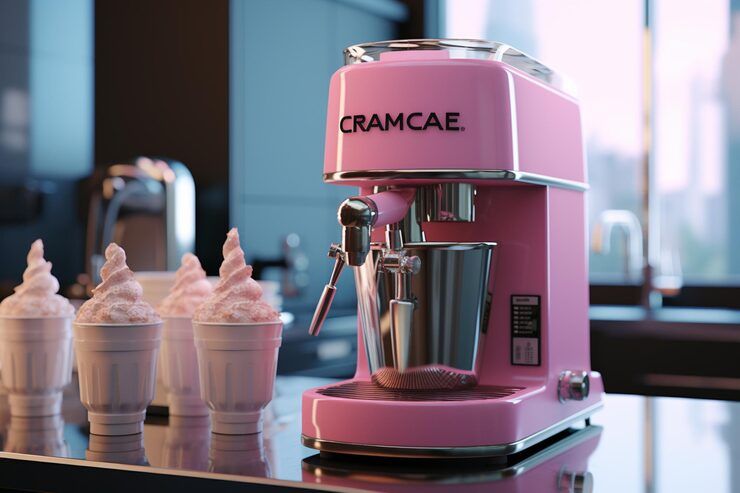
An ice cream making machine is designed to churn and freeze a mixture of ingredients such as milk, cream, sugar, and flavorings. The process involves constant agitation while cooling the mixture, which prevents large ice crystals from forming and results in a smooth texture.
There are two main functions involved:
- Freezing the mixture quickly
- Churning to incorporate air and maintain texture
These machines are widely used for preparing traditional ice cream, frozen yogurt, gelato, and even specialty desserts like rolled ice cream.
Types of Ice Cream Making Machines
1. Countertop Ice Cream Maker
A countertop ice cream maker is ideal for home use and small-scale preparation. It is compact, easy to operate, and suitable for beginners.
Key characteristics include:
- Smaller batch capacity
- Simple controls and setup
- Often requires pre-freezing a bowl
These machines are commonly chosen for occasional use and experimentation with flavors.
2. Commercial Ice Cream Maker
A commercial ice cream maker is built for high-volume production and continuous operation. It is commonly used in restaurants, cafes, and dessert shops.
Features typically include:
- Large capacity and faster output
- Built-in compressors for continuous freezing
- Durable construction for long-term use
These machines are essential for businesses that need consistent quality and efficiency.
3. Rolled Ice Cream Maker
Rolled ice cream makers are designed for a unique style of dessert preparation. The liquid mixture is poured onto a cold plate, spread thin, and then rolled into delicate spirals.
Common features:
- Flat freezing surface
- Rapid cooling system
- Interactive preparation process
This type is popular in specialty dessert outlets due to its visual appeal and customization options.
4. Froyo Ice Cream Maker
A froyo ice cream maker is specifically designed to produce frozen yogurt. It maintains a slightly different texture and temperature compared to traditional ice cream.
Key aspects:
- Adjustable consistency settings
- Suitable for low-fat or probiotic recipes
- Smooth dispensing system in some models
It is widely used in health-focused dessert setups.
5. Commercial Waffle Cone Maker
Although not directly making ice cream, a commercial waffle cone maker complements ice cream machines by producing fresh cones.
Important features:
- Even heating plates
- Consistent shaping molds
- Quick preparation cycles
These machines enhance the overall presentation and experience of serving ice cream.
Key Features to Consider
Choosing the right ice cream maker involves evaluating several important features. These features impact performance, convenience, and output quality.
Freezing Mechanism
Machines generally use one of two systems:
- Pre-freeze bowls
- Built-in compressors
Compressor-based machines are more efficient for continuous use, while pre-freeze models are suitable for occasional preparation.
Capacity
Capacity determines how much ice cream can be made in a single batch. Options range from small household models to large commercial units.
Consider:
- Household needs vs. business requirements
- Frequency of use
- Storage space
Churning Speed and Efficiency
The speed of churning affects the texture of the final product. Faster churning usually results in smoother ice cream with less ice crystallization.
Ease of Cleaning
Machines with removable parts and simple designs are easier to maintain. This is especially important for commercial environments where hygiene standards are strict.
Control Options
Modern machines often include digital controls, timers, and preset programs for different types of desserts. These features improve usability and consistency.
Comparison of Ice Cream Machine Types
Below is a simple comparison table to highlight the differences between various machine types:
| Machine Type | Best For | Capacity | Key Feature |
|---|---|---|---|
| Countertop Ice Cream Maker | Home use | Low | Compact and simple operation |
| Commercial Ice Cream Maker | High-volume production | High | Continuous freezing system |
| Rolled Ice Cream Maker | Specialty desserts | Medium | Flat cold plate design |
| Froyo Ice Cream Maker | Frozen yogurt | Medium | Adjustable texture settings |
| Commercial Waffle Cone Maker | Cone preparation | Medium | Uniform heating plates |
Uses of Ice Cream Making Machines
Ice cream machines are versatile and can be used in various settings, from homes to large-scale food operations.
Home Kitchens
In households, these machines allow users to experiment with flavors and ingredients. They are ideal for preparing desserts tailored to personal preferences.
Common uses include:
- Classic ice cream flavors
- Dairy-free or vegan options
- Seasonal fruit-based desserts
Restaurants and Cafes
Restaurants rely on commercial ice cream makers to deliver consistent quality. Freshly prepared desserts enhance the dining experience.
Applications include:
- Signature dessert menus
- Soft serve or gelato preparation
- Pairing with baked goods
Dessert Shops
Specialty dessert outlets often use advanced machines like rolled ice cream makers to create visually appealing treats.
Benefits include:
- Customizable toppings and flavors
- Interactive preparation experience
- Increased customer engagement
Catering and Events
Ice cream machines are also used in catering setups to provide fresh desserts during events and gatherings.
Advantages of Using Ice Cream Makers
Using an ice cream maker offers several benefits compared to traditional methods.
Consistent Texture
Machines ensure even freezing and churning, resulting in smooth and creamy ice cream every time.
Time Efficiency
Automated processes reduce preparation time and effort, especially in commercial settings.
Customization
Users can control ingredients, flavors, and textures according to their preferences.
Hygiene and Safety
Modern machines are designed with food safety in mind, ensuring clean and controlled preparation.
Tips for Choosing the Right Machine
Selecting the right ice cream maker depends on individual needs and usage patterns. Here are some helpful suggestions:
- Evaluate how often the machine will be used
- Consider available space in the kitchen
- Look for easy maintenance features
- Check compatibility with different recipes
- Choose a model that aligns with output requirements
Maintenance and Care
Proper maintenance ensures the longevity and efficiency of the machine.
Basic care tips:
- Clean all removable parts after each use
- Avoid overfilling the machine
- Store in a dry and safe location
- Follow manufacturer instructions for operation
Regular upkeep helps maintain performance and ensures consistent results.
Emerging Trends in Ice Cream Machines
The ice cream machine industry continues to evolve with new technologies and consumer preferences.
Some notable trends include:
- Smart machines with app-based controls
- Energy-efficient designs
- Multi-functional machines for various frozen desserts
- Increased focus on compact and portable models
These innovations are making ice cream preparation more accessible and efficient.
Conclusion
Ice cream making machines have become essential tools for both home users and professionals. From compact countertop ice cream makers to advanced commercial ice cream makers, there is a wide range of options to suit different needs.
Understanding the types, features, and uses of these machines helps in making informed decisions. Whether preparing a simple dessert at home or managing high-volume production, the right machine can significantly improve quality, efficiency, and creativity in frozen dessert preparation.