ICU Ventilator Manufacturing Guide: Essential Processes and Industry Knowledge
ICU ventilator manufacturing is an important part of the modern healthcare industry.
Ventilators are medical devices designed to assist or replace breathing for patients who cannot breathe effectively on their own. These devices are commonly used in intensive care units (ICUs), emergency departments, operating rooms, and specialized healthcare facilities.
The development of intensive care ventilator systems has evolved over several decades. Early ventilators were relatively simple mechanical devices, while modern systems use digital controls, sensors, and software to monitor patient breathing patterns. Today, advanced ventilator technology allows healthcare professionals to adjust treatment according to a patient’s condition.
The manufacturing process involves multiple stages, including research, design, component sourcing, assembly, testing, and regulatory review. ICU ventilator manufacturing requires careful attention to safety, reliability, and performance because these devices are often used in critical medical situations.
Medical ventilator suppliers, ICU ventilator distributors, and healthcare organizations work together to ensure hospital ventilator equipment reaches facilities where it is needed. The industry includes manufacturers of hardware components, software developers, testing laboratories, and regulatory agencies.
How ICU Ventilators Work
Critical care ventilators deliver controlled amounts of air and oxygen into a patient’s lungs. Sensors continuously measure pressure, airflow, and breathing patterns. The ventilator then adjusts its operation according to the programmed settings and patient requirements.
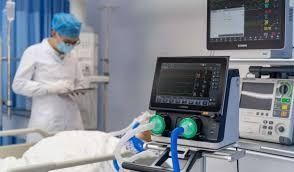
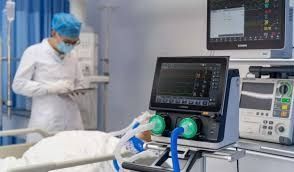
Modern smart ICU ventilator systems often include touchscreen displays, monitoring tools, alarm functions, and data recording capabilities. These features help healthcare professionals observe patient conditions and respond to changes more effectively.
Main Components Used in Manufacturing
Several key components are required during ventilator production:
- Air compressors and turbines
- Oxygen delivery systems
- Pressure and flow sensors
- Valves and tubing assemblies
- Electronic control boards
- Software and monitoring systems
- Touchscreen interfaces
- Backup power systems
Each component undergoes testing before integration into the final device.
Importance
ICU ventilator manufacturing plays a significant role in healthcare systems around the world. Ventilators support patients experiencing severe respiratory conditions, surgical recovery, trauma-related breathing difficulties, and other critical health situations.
Supporting Critical Patient Care
Critical care ventilators help maintain oxygen delivery and carbon dioxide removal when a patient’s natural breathing is compromised. This support can be essential during intensive medical treatment.
Healthcare facilities rely on hospital ventilator equipment to manage a wide range of clinical situations. The availability of reliable ventilators contributes to preparedness for routine healthcare operations as well as public health emergencies.
Strengthening Healthcare Infrastructure
The production of ventilators contributes to healthcare infrastructure by ensuring that hospitals have access to essential respiratory support devices. Manufacturing capacity becomes particularly important when healthcare systems experience increased demand.
Ventilator production equipment and manufacturing facilities also support technological advancement within the broader medical device sector.
Encouraging Innovation
The ventilator industry continues to develop new approaches for patient monitoring, connectivity, and safety. Advanced ventilator technology increasingly incorporates digital systems that provide healthcare teams with more detailed information about patient respiratory performance.
These innovations may contribute to improved workflow efficiency and device management within healthcare environments.
Recent Updates
The ventilator industry has experienced several notable developments between 2024 and 2026. Many of these changes focus on digital integration, manufacturing efficiency, and enhanced patient monitoring.
Growth of Smart Monitoring Features
Smart ICU ventilator systems increasingly include advanced monitoring capabilities. Manufacturers are integrating software tools that provide detailed respiratory data, trend analysis, and remote monitoring functions.
These systems can assist healthcare professionals in reviewing patient information and making informed clinical decisions.
Increased Connectivity
Many intensive care ventilator systems now support connectivity with hospital information systems. This integration allows patient data to be shared across different healthcare platforms while supporting record management and workflow coordination.
Improvements in Manufacturing Processes
ICU ventilator manufacturing facilities have adopted greater automation and precision assembly techniques. These improvements help maintain consistent quality throughout the production process.
The use of digital manufacturing tools has also enhanced quality control procedures, allowing manufacturers to identify potential issues earlier during production.
Focus on Energy Efficiency
Manufacturers are increasingly designing ventilators with improved power management systems. Enhanced battery backup capabilities and efficient electronic components can support device operation during power interruptions and transportation situations.
Emerging Technology Trends
Several technologies continue to influence the industry:
| Technology Area | Purpose |
|---|---|
| Artificial intelligence support tools | Assist with respiratory data analysis |
| Advanced sensors | Improve monitoring accuracy |
| Cloud-based connectivity | Enable remote data access |
| Touchscreen interfaces | Simplify device operation |
| Predictive maintenance systems | Monitor equipment performance |
| Compact component designs | Support portability and space efficiency |
These developments reflect the ongoing evolution of critical care ventilators and related manufacturing processes.
Laws or Policies
The production of hospital ventilator equipment is governed by medical device regulations designed to protect patient safety and ensure product quality.
Regulatory Approval Requirements
Manufacturers must comply with medical device regulations established by government authorities in the countries where ventilators are distributed. These regulations typically require extensive testing, documentation, and quality management procedures.
Regulatory agencies review evidence related to device safety, performance, and manufacturing controls before allowing distribution.
Quality Management Standards
Many ventilator manufacturers follow internationally recognized quality management standards. These frameworks help organizations establish procedures for:
- Product design controls
- Risk management
- Manufacturing consistency
- Corrective actions
- Documentation management
- Supplier oversight
Such standards support consistent manufacturing practices across production facilities.
Electrical and Safety Compliance
Ventilators contain electronic systems that must meet electrical safety requirements. Manufacturers conduct testing to evaluate factors such as:
- Electrical protection
- Alarm system functionality
- Software reliability
- Environmental durability
- Electromagnetic compatibility
These evaluations help verify that devices perform as intended under specified operating conditions.
Data Protection Considerations
As smart ICU ventilator systems become more connected, data privacy and cybersecurity requirements are receiving increased attention. Manufacturers may implement security measures to protect patient information and reduce risks associated with connected medical devices.
Tools and Resources
Various tools and resources support ICU ventilator manufacturing throughout the product lifecycle.
Design and Engineering Software
Engineers commonly use computer-aided design (CAD) software to develop ventilator components and assemblies. These platforms allow teams to visualize designs, perform simulations, and evaluate performance before physical production begins.
Quality Management Platforms
Quality management software helps manufacturers document procedures, manage audits, track corrective actions, and maintain compliance records. These systems support regulatory requirements and internal quality objectives.
Testing Equipment
Ventilator production equipment often includes specialized testing systems designed to evaluate airflow, pressure regulation, sensor accuracy, and alarm performance.
Examples include:
- Lung simulators
- Pressure calibration tools
- Flow measurement instruments
- Electrical testing systems
- Environmental testing chambers
Regulatory Information Resources
Manufacturers frequently consult guidance documents and regulatory databases published by government health authorities and international standards organizations. These resources help organizations understand evolving compliance expectations.
Training and Educational Materials
Industry associations, academic institutions, and medical technology organizations provide educational materials covering ventilator design, manufacturing practices, risk management, and quality assurance principles.
FAQs
What is ICU ventilator manufacturing?
ICU ventilator manufacturing is the process of designing, assembling, testing, and producing ventilators used in intensive care environments. The process includes component integration, quality verification, software development, and regulatory compliance activities.
How do critical care ventilators differ from standard respiratory devices?
Critical care ventilators are designed for patients requiring advanced respiratory support in intensive care settings. They typically include sophisticated monitoring systems, multiple ventilation modes, and enhanced safety features compared with simpler respiratory devices.
What components are commonly used in hospital ventilator equipment?
Hospital ventilator equipment commonly includes air delivery systems, sensors, valves, electronic control units, software platforms, user interfaces, and backup power systems. These components work together to support respiratory assistance functions.
What role do medical ventilator suppliers and ICU ventilator distributors play?
Medical ventilator suppliers and ICU ventilator distributors help coordinate the movement of ventilators and related components between manufacturers and healthcare organizations. They may also assist with logistics, documentation, and inventory management processes.
How is advanced ventilator technology changing intensive care ventilator systems?
Advanced ventilator technology is introducing features such as enhanced monitoring, digital connectivity, predictive maintenance tools, improved sensor accuracy, and integrated data management capabilities. These developments support the ongoing evolution of intensive care ventilator systems.
Conclusion
ICU ventilator manufacturing combines engineering, medical technology, quality management, and regulatory compliance to produce devices used in critical healthcare environments. Modern critical care ventilators incorporate advanced sensors, software systems, and monitoring capabilities that support respiratory care. Manufacturing processes continue to evolve through automation, digital integration, and improved testing methods. Regulations and quality standards remain central to ensuring that ventilators meet established safety and performance requirements. As technology advances, intensive care ventilator systems are expected to continue developing in areas such as connectivity, monitoring, and operational efficiency.
Disclaimer: The information provided in this article is for informational purposes only. We do not make any claims or guarantees regarding the accuracy, reliability, or completeness of the information presented. The content is not intended as professional advice and should not be relied upon as such. Readers are encouraged to conduct their own research and consult with appropriate professionals before making any decisions based on the information provided in this article.