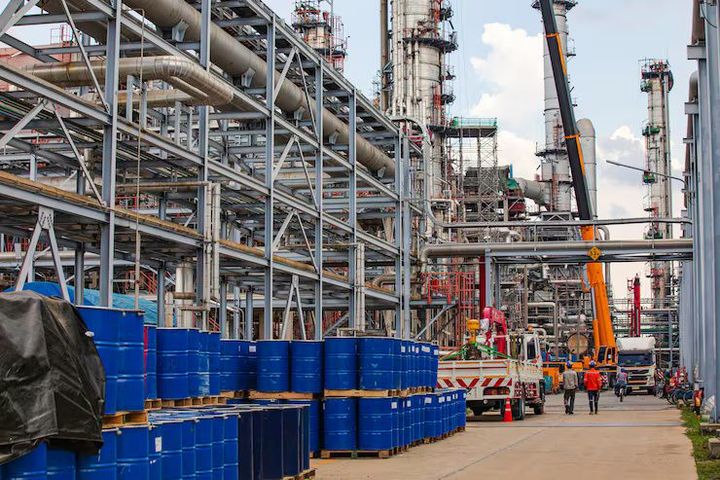
Industrial Chemicals: A Complete Guide to Types, Applications, and Industry Uses
Industrial chemicals are substances used in manufacturing, processing, cleaning, construction, agriculture, energy production, healthcare, and many other sectors. These chemicals serve as essential components in production processes, helping industries create products, improve efficiency, and maintain operational standards.
The industrial chemical sector has developed alongside modern manufacturing and technological advancement. Today, industrial chemical manufacturers produce a wide variety of chemical compounds designed for specific applications, ranging from water treatment and surface coatings to pharmaceuticals and electronics production.
Industrial chemical suppliers play an important role in connecting manufacturers with businesses that require chemical materials for production and maintenance activities. In addition, specialty chemical manufacturers focus on creating chemicals designed for particular industrial functions, often addressing highly specific technical requirements.
As industries become more advanced, the demand for advanced industrial chemical technologies continues to grow. These innovations aim to improve process efficiency, environmental performance, material durability, and product quality across multiple sectors.
Importance
Industrial chemicals influence many aspects of daily life, even though they often remain unseen by consumers. They are involved in the production of products used in homes, transportation, healthcare facilities, and communication systems.
Supporting Manufacturing Activities
Many manufacturing processes depend on chemical inputs. Industrial chemicals may be used for cleaning, coating, processing, bonding, cooling, or preserving materials during production.
Examples include:
- Metal treatment processes
- Plastic manufacturing
- Textile production
- Electronics fabrication
- Construction material production
Without these materials, many industrial operations would face significant challenges.
Contributing to Public Health
Pharmaceutical chemical suppliers provide ingredients and materials used in the production of healthcare products. Chemical manufacturing also supports sanitation, water treatment, and hygiene-related applications that contribute to public health infrastructure.
Enhancing Product Performance
Specialty chemical manufacturers develop products designed to improve specific properties such as durability, corrosion resistance, thermal stability, or surface protection.
These chemicals help industries create products capable of performing in demanding environments.
Supporting Infrastructure Development
Industrial chemicals are widely used in transportation networks, energy facilities, water treatment systems, and construction projects. Their use supports the development and maintenance of critical infrastructure.
Recent Updates
The industrial chemical sector continues to evolve in response to technological progress, environmental concerns, and changing industrial requirements.
Growth of Sustainable Chemistry
Manufacturers are increasingly exploring production methods that reduce environmental impact. Research efforts focus on improving resource efficiency, minimizing waste generation, and developing materials with lower environmental footprints.
These developments are influencing how industrial chemical manufacturers approach product development and production planning.
Digital Transformation in Chemical Production
Digital technologies are becoming more common in chemical manufacturing facilities. Automated systems, data analytics, and process monitoring tools help improve operational visibility and production consistency.
Advanced industrial chemical technologies often incorporate digital monitoring systems that support process optimization and quality management.
Increased Focus on Supply Chain Resilience
Industries are paying closer attention to chemical sourcing and logistics planning. Chemical processing materials suppliers and procurement teams are working to improve supply chain visibility and inventory management practices.
This trend reflects the importance of maintaining reliable access to essential industrial materials.
Expansion of Specialized Applications
Specialty chemical manufacturers continue to develop products tailored for sectors such as renewable energy, advanced electronics, healthcare equipment, and high-performance materials.
These specialized applications require precise formulations and strict quality control processes.
Innovation in Cleaning Chemicals
Industrial cleaning chemical manufacturers are developing products designed to improve cleaning efficiency while addressing environmental and workplace safety considerations.
Research continues in areas such as biodegradable ingredients, reduced emissions, and safer handling characteristics.
Laws or Policies
Industrial chemicals are subject to extensive regulations designed to protect human health, workplace safety, and the environment.
Chemical Registration Requirements
Many countries require manufacturers and importers to register certain chemical substances before they can be distributed or used commercially. These requirements help authorities evaluate potential risks associated with chemical products.
Environmental Regulations
Environmental regulations govern the production, transportation, storage, and disposal of industrial chemicals. Common regulatory objectives include:
- Reducing emissions
- Managing hazardous waste
- Protecting water resources
- Limiting environmental contamination
- Promoting safe chemical handling
Workplace Safety Standards
Organizations handling industrial chemicals must often follow workplace safety requirements. These regulations may address:
| Regulatory Area | Purpose |
|---|---|
| Hazard Communication | Provides safety information about chemicals |
| Employee Training | Supports safe handling practices |
| Protective Equipment | Reduces exposure risks |
| Storage Requirements | Helps prevent accidents and contamination |
| Emergency Procedures | Guides incident response activities |
Transportation Regulations
Many industrial chemicals are transported between manufacturing facilities, warehouses, and industrial sites. Transportation regulations establish requirements for packaging, labeling, documentation, and handling.
Industry-Specific Compliance
Certain sectors maintain additional requirements. For example, pharmaceutical chemical suppliers may operate under stricter quality and documentation standards due to the nature of healthcare-related applications.
Tools and Resources
Various tools and resources help organizations manage chemical selection, compliance, and operational planning.
Safety Data Sheets
Safety Data Sheets provide information about chemical properties, handling requirements, storage conditions, and emergency response measures.
These documents are widely used throughout industrial environments.
Chemical Compatibility Databases
Compatibility resources help users evaluate how different chemicals interact with materials, equipment, and environmental conditions.
Such tools can assist in preventing equipment damage and operational issues.
Inventory Management Platforms
Many organizations use digital inventory systems to monitor chemical quantities, storage locations, and usage patterns.
These platforms support planning and operational efficiency.
Compliance Management Software
Compliance software helps organizations track regulatory obligations, documentation requirements, inspections, and reporting activities.
Procurement and Supply Chain Platforms
Industrial chemical procurement services often rely on digital platforms that support sourcing, inventory tracking, supplier management, and logistics coordination.
These tools can improve visibility throughout the supply chain.
Types of Industrial Chemicals
Commodity Chemicals
Commodity chemicals are produced in large volumes and serve as foundational materials for various industries. They are commonly used as raw materials in manufacturing processes.
Specialty Chemicals
Specialty chemicals are developed for specific functions or applications. Specialty chemical manufacturers often focus on performance characteristics rather than production volume.
Examples include:
- Surface treatment chemicals
- Adhesive components
- Coating additives
- Water treatment chemicals
- Electronic-grade materials
Cleaning Chemicals
Industrial cleaning chemical manufacturers produce chemicals used to remove contaminants, residues, oils, and deposits from equipment and facilities.
These products are used across manufacturing, transportation, food processing, and healthcare sectors.
Pharmaceutical Chemicals
Pharmaceutical chemical suppliers provide materials used in healthcare-related manufacturing and research applications. These materials are subject to strict quality and regulatory requirements.
Industry Participants
Industrial Chemical Manufacturers
Industrial chemical manufacturers produce chemicals used across numerous industries. Their activities may include research, formulation development, production, quality testing, and distribution management.
Specialty Chemical Producers
Specialty chemical manufacturers focus on application-specific products designed to address unique technical challenges.
Chemical Processing Materials Suppliers
Chemical processing materials suppliers provide raw materials and intermediate products used in manufacturing and industrial processing activities.
Procurement Organizations
Industrial chemical procurement services support sourcing activities, inventory planning, supplier coordination, and supply chain management within industrial operations.
FAQs
What do industrial chemical manufacturers produce?
Industrial chemical manufacturers produce a wide range of chemicals used in manufacturing, construction, healthcare, energy production, water treatment, and industrial processing.
What is the difference between industrial chemical suppliers and specialty chemical manufacturers?
Industrial chemical suppliers distribute chemical products to various industries, while specialty chemical manufacturers focus on developing chemicals designed for specific applications and performance requirements.
What are advanced industrial chemical technologies?
Advanced industrial chemical technologies refer to modern innovations in chemical production, material development, process optimization, automation, and environmental management.
Why are pharmaceutical chemical suppliers important?
Pharmaceutical chemical suppliers provide materials used in healthcare-related manufacturing processes and research activities, helping support medical and pharmaceutical production.
What role do chemical processing materials suppliers play?
Chemical processing materials suppliers provide raw materials and intermediate substances that support industrial production and manufacturing operations.
Conclusion
Industrial chemicals are essential components of modern manufacturing, infrastructure development, healthcare, and numerous industrial activities. Industrial chemical manufacturers, specialty chemical manufacturers, and chemical processing materials suppliers contribute to the production and distribution of materials used across many sectors. Recent developments in sustainability, digitalization, and advanced industrial chemical technologies continue to shape the industry. Regulations, safety standards, and resource management practices remain important factors influencing chemical production and usage worldwide.