Industrial Cooling Systems Overview: Key Facts and Information
Industrial cooling systems play an important role in maintaining safe operating temperatures across many industries. From manufacturing facilities and power generation plants to food processing units and data centers, these systems help control heat generated during industrial activities. Without effective cooling, equipment performance can decline, energy consumption may increase, and operational reliability can be affected.
As industrial operations become more advanced, the demand for efficient industrial cooling systems continues to grow. Modern cooling technologies are designed to improve energy efficiency, reduce environmental impact, and support consistent production processes. Understanding how these systems work helps organizations make informed decisions about equipment management and sustainability goals.
Context
Industrial cooling systems are technologies used to remove excess heat from machinery, industrial processes, and buildings. Their primary purpose is to maintain stable temperatures that support equipment performance and operational safety.
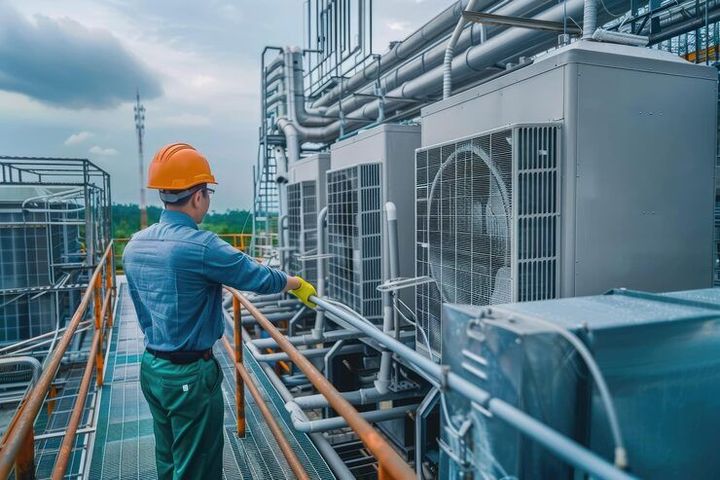
These systems have evolved significantly over time. Early cooling methods relied heavily on natural airflow and water circulation. Today, industries use advanced cooling towers, chillers, heat exchangers, evaporative cooling units, and closed-loop cooling systems. The choice of system depends on factors such as facility size, heat load, environmental conditions, and operational requirements.
Common Types of Industrial Cooling Systems
| Cooling System Type | Primary Function | Typical Applications |
|---|---|---|
| Cooling Towers | Dissipate heat through evaporation | Manufacturing plants, power stations |
| Chillers | Remove heat using refrigeration cycles | Data centers, commercial facilities |
| Heat Exchangers | Transfer heat between fluids | Chemical and processing industries |
| Evaporative Coolers | Cool air through water evaporation | Warehouses, industrial buildings |
| Closed-Loop Systems | Recirculate cooling fluid | Precision manufacturing |
Industrial cooling systems are often integrated with monitoring technologies that track temperature, pressure, and energy usage to improve operational efficiency.
Importance
Industrial cooling systems are essential because excessive heat can damage equipment, reduce productivity, and increase maintenance requirements. Effective cooling helps maintain optimal operating conditions and extends the lifespan of industrial assets.
Many sectors depend on reliable cooling infrastructure, including:
- Manufacturing and production facilities
- Power generation plants
- Data centers and server rooms
- Food and beverage processing facilities
- Pharmaceutical manufacturing
- Chemical processing plants
Cooling systems also contribute to workplace safety. High temperatures can create risks for workers and affect product quality in temperature-sensitive industries. By maintaining controlled environments, industrial cooling systems support both operational continuity and safety standards.
Additionally, energy-efficient cooling technologies help organizations reduce electricity consumption and meet environmental objectives. This has become increasingly important as industries focus on sustainability and resource conservation.
Recent Updates
Between 2024 and 2026, several developments have influenced the industrial cooling systems sector.
Smart Cooling Technologies
Digital monitoring and automation have become more common in industrial cooling systems. Sensors connected through industrial Internet of Things (IoT) platforms provide real-time data on temperature, energy use, and equipment performance. Predictive maintenance tools can identify potential issues before failures occur.
Other notable developments include:
- Increased adoption of energy-efficient cooling equipment
- Greater use of environmentally responsible refrigerants
- Expansion of hybrid cooling solutions
- Integration of artificial intelligence for performance optimization
- Improved water management technologies
Many industries are also investing in advanced cooling systems to support growing data center infrastructure. The rapid expansion of cloud computing and artificial intelligence applications has increased demand for efficient thermal management solutions.
Sustainability initiatives have encouraged manufacturers to develop systems that consume less water and energy while maintaining high cooling performance. These improvements align with broader environmental and regulatory objectives across multiple regions.
Laws or Policies
Industrial cooling systems are subject to various regulations that address environmental protection, energy efficiency, and workplace safety.
Key policy areas include:
- Energy efficiency standards for industrial equipment
- Environmental regulations related to refrigerant usage
- Water conservation requirements
- Occupational health and safety standards
- Emissions reduction initiatives
Many countries have implemented policies supporting the transition toward refrigerants with lower global warming potential. These regulations aim to reduce environmental impacts associated with cooling technologies.
Organizations operating industrial cooling systems are often required to conduct regular inspections, maintain equipment properly, and comply with reporting requirements related to environmental performance.
International frameworks also influence cooling technology development by encouraging sustainable practices and energy conservation measures. As climate goals become more prominent, regulatory requirements may continue evolving to support cleaner and more efficient cooling solutions.
Tools and Resources
Several tools and resources can help organizations understand and manage industrial cooling systems more effectively.
Useful resources include:
- Energy efficiency assessment calculators
- Cooling load estimation tools
- Equipment performance monitoring platforms
- Water usage tracking systems
- Industrial maintenance management software
Industry organizations and government agencies often publish technical guidance documents covering:
- Cooling system design principles
- Energy management practices
- Environmental compliance requirements
- Water conservation strategies
- Equipment maintenance recommendations
Technical standards published by engineering organizations can also provide valuable information for facility managers, engineers, and decision-makers involved in cooling system operations.
Educational platforms, research institutions, and industrial associations regularly share updates on new technologies, best practices, and industry trends related to industrial cooling systems.
FAQs
What are industrial cooling systems used for?
Industrial cooling systems remove excess heat generated by machinery, equipment, and industrial processes. They help maintain safe operating temperatures and improve efficiency.
Which industries use industrial cooling systems?
Manufacturing, power generation, food processing, pharmaceuticals, chemical production, and data centers commonly use industrial cooling systems.
What is the difference between a chiller and a cooling tower?
A chiller uses refrigeration technology to remove heat, while a cooling tower releases heat through water evaporation and air circulation.
Why is energy efficiency important in industrial cooling systems?
Energy-efficient cooling systems help reduce electricity consumption, lower environmental impacts, and support sustainability objectives.
How are modern industrial cooling systems becoming smarter?
Modern systems use sensors, automation, IoT connectivity, and data analytics to monitor performance, improve efficiency, and support predictive maintenance.
Conclusion
Industrial cooling systems are essential technologies that support safe and efficient operations across many industries. They help manage heat, protect equipment, and maintain reliable production processes. Recent advances in automation, energy efficiency, and environmental performance are shaping the future of industrial cooling. As regulations and sustainability goals continue to evolve, modern cooling solutions will remain a critical part of industrial infrastructure worldwide.