Industrial Electrical Products Overview for Safe and Efficient Power Systems
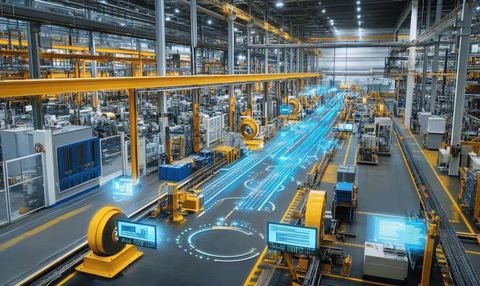
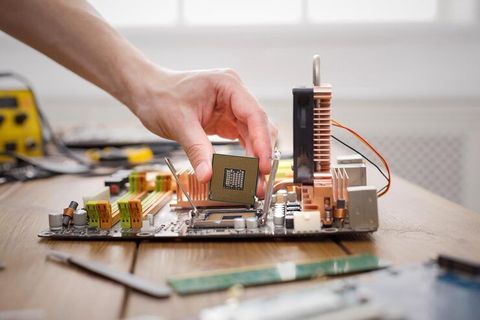
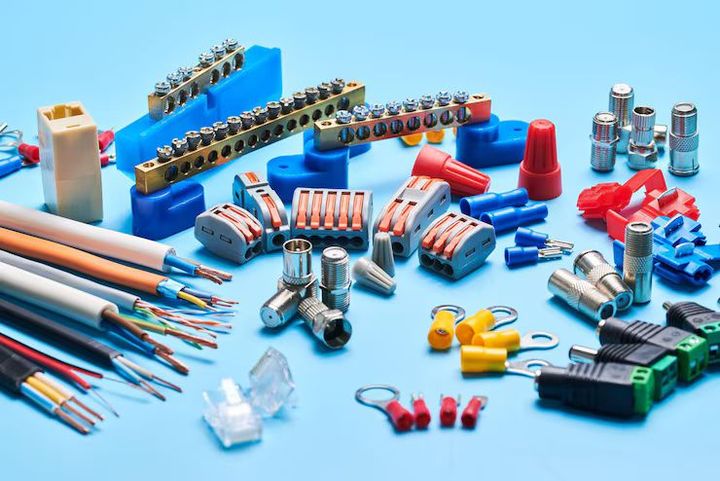
Industrial electrical products refer to a wide range of components and systems used to generate, distribute, control, and protect electrical power in industrial environments. These products are essential in sectors such as manufacturing, construction, energy, transportation, and infrastructure development. They include items like circuit breakers, transformers, control panels, relays, wiring systems, and switchgear.
Industrial electrical products exist to ensure that electrical systems operate safely, efficiently, and reliably under demanding conditions. Industrial environments often involve high power loads, continuous operations, and complex machinery, making robust electrical systems necessary. Without these components, industries would face frequent breakdowns, safety risks, and operational inefficiencies.
These products are designed to handle higher voltages, extreme temperatures, and harsh environments compared to residential or commercial systems. Their role is not only to deliver power but also to regulate, monitor, and protect electrical circuits and equipment.
Why Industrial Electrical Products Matter Today
Industrial electrical products play a crucial role in modern economies by supporting automation, productivity, and energy efficiency. As industries expand and adopt advanced technologies, the demand for reliable electrical infrastructure has increased significantly.
Key Drivers
- Growing industrial automation and smart manufacturing systems
- Increased focus on energy efficiency and sustainability
- Rising demand for uninterrupted power supply in critical operations
- Integration of renewable energy sources into industrial systems
Challenges These Products Address
- Preventing electrical faults and equipment damage
- Reducing downtime in production processes
- Improving workplace safety
- Enhancing energy management and reducing waste
Advanced circuit protection devices can detect faults instantly and disconnect power, preventing accidents. Modern control systems enable precise monitoring and automation, improving overall operational efficiency.
Recent Updates and Industry Trends
The industrial electrical sector has seen significant advancements in 2024 and early 2025, reflecting the integration of digital technologies and sustainability goals.
Key Trends
- Smart Electrical Systems (2024) – IoT-enabled devices allow real-time monitoring and predictive maintenance.
- Energy Efficiency Improvements (2025) – Transformers and motors are designed to reduce energy losses and improve performance.
- Digital Twin Technology – Digital models simulate and optimize electrical system performance before implementation.
- Renewable Integration – Electrical products now support solar, wind, and hybrid energy systems.
- Advanced Safety Features – Modern equipment includes arc fault detection, overload protection, and automated shutdown mechanisms.
Evolution Comparison Table
| Feature | Traditional Systems | Modern Systems (2024–2025) |
|---|---|---|
| Monitoring | Manual checks | Real-time digital tracking |
| Maintenance | Reactive | Predictive maintenance |
| Energy Efficiency | Moderate | High efficiency designs |
| Integration | Limited | IoT and smart systems |
| Safety | Basic protection | Advanced fault detection |
These changes highlight a shift toward smarter, safer, and more efficient industrial electrical systems.
Laws, Standards, and Policies
Industrial electrical products are governed by regulations and standards to ensure safety, quality, and environmental compliance. In India, these frameworks are essential for maintaining safe industrial operations.
Key Regulatory Frameworks
- Bureau of Indian Standards (BIS) – Sets quality and safety standards for electrical equipment.
- Central Electricity Authority (CEA) Regulations – Defines safety measures for electrical installations.
- Electricity Act, 2003 – Governs generation, transmission, and distribution of electricity.
- National Electrical Code (NEC India) – Provides guidelines for safe electrical design and installation.
Government Initiatives
- Focus on energy efficiency through programs like Perform, Achieve and Trade (PAT)
- Encouragement of renewable energy integration in industrial setups
- Promotion of smart grid technologies
Compliance ensures products are safe, reliable, and environmentally responsible, while helping industries avoid hazards, legal penalties, and operational disruptions.
Tools and Resources for Industrial Electrical Systems
Various tools and resources help professionals design, maintain, and optimize industrial electrical systems, improving accuracy, efficiency, and decision-making.
Useful Tools
- Electrical Load Calculators – Estimate power requirements for industrial setups
- Circuit Design Software – Tools like AutoCAD Electrical and ETAP for system simulation
- Energy Monitoring Systems – Track energy usage and identify inefficiencies
- Maintenance Management Software – Schedule inspections and manage equipment lifecycle
- Standards Documentation – Access BIS and IEC guidelines for compliance
Tool Usage Overview
| Tool Type | Purpose |
|---|---|
| Load Calculators | Estimate power demand |
| Design Software | Create and simulate electrical systems |
| Monitoring Systems | Track performance and energy usage |
| Maintenance Software | Manage equipment and prevent failures |
| Standards Resources | Ensure compliance with regulations |
These resources are essential for engineers and technicians to maintain system reliability and efficiency.
Frequently Asked Questions
What are industrial electrical products?
Components used to manage and control electrical power in industrial environments, including transformers, circuit breakers, relays, and control panels.
How are industrial electrical products different from residential ones?
Industrial products handle higher power loads, continuous operation, and harsh conditions. They offer greater durability, advanced safety features, and higher efficiency.
Why is safety important in industrial electrical systems?
Electrical faults can lead to equipment damage, fires, or injuries. Protective features prevent these risks and ensure safe operations.
What role does technology play in modern electrical products?
Technology enables real-time monitoring, automation, and predictive maintenance, improving efficiency and reliability.
How do regulations impact industrial electrical products?
Regulations ensure products meet safety and quality standards, preventing accidents, ensuring reliability, and supporting sustainability.
Conclusion
Industrial electrical products form the backbone of modern industrial operations by enabling safe and efficient power management. From basic wiring systems to advanced smart devices, they ensure industries operate smoothly and reliably.
The rise of automation, energy efficiency goals, and digital transformation has made these products increasingly important. Smarter systems, enhanced safety features, and renewable energy integration are shaping the future of industrial electrical systems.
Understanding these products is essential for engineers, technicians, and industry managers to ensure efficiency, safety, and long-term sustainability.