Construction Equipment Rental Basics for Understanding Heavy Equipment and Project Needs
Construction projects depend on the right combination of people, materials, planning, and machinery.
From preparing foundations and moving earth to lifting structural components and completing roadwork, equipment plays a central role in keeping projects organized and productive. However, not every project requires the same machinery, and choosing equipment without considering the work environment, project scope, or technical requirements can create unnecessary challenges.
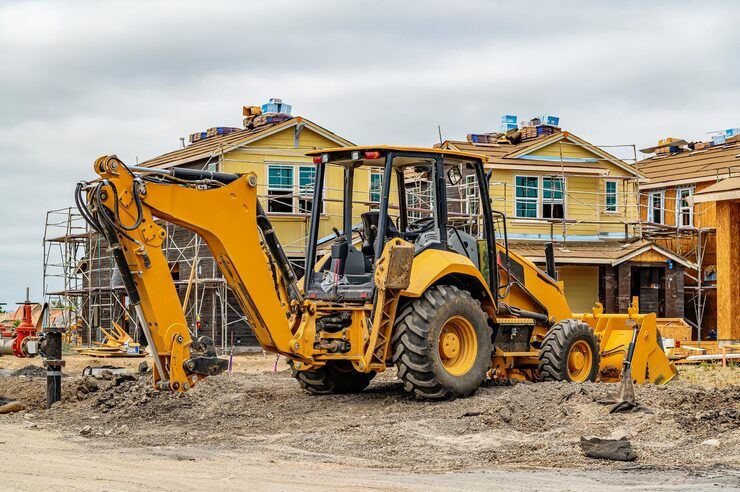
Construction equipment rental provides a practical way for contractors, project managers, and construction businesses to access specialized machinery for specific project periods. Instead of maintaining every type of machine throughout the year, teams can select equipment according to current project requirements.
This guide explains how construction equipment rental works, explores major equipment categories, and provides a practical framework for selecting machinery for different construction tasks.
What Is Construction Equipment Rental?
Construction equipment rental is the temporary use of machinery and equipment for a defined project or operational period. Depending on the arrangement, equipment may be provided with or without an operator, while maintenance and technical support responsibilities can vary.
The approach is commonly used for projects that require specialized machinery for limited periods or where maintaining a large equipment fleet is impractical.
Construction machinery rental may include equipment such as:
- Excavators
- Loaders
- Bulldozers
- Cranes
- Forklifts
- Aerial lifts
- Compaction equipment
- Concrete equipment
- Generators
- Earthmoving machinery
The appropriate selection depends on the project's scope, site conditions, required capacity, and duration of use.
Why Equipment Selection Matters
Construction equipment affects several aspects of project performance, including productivity, safety, scheduling, and site organization.
Choosing machinery that is too small may result in inefficient operations and longer work cycles. Equipment that is unnecessarily large can create challenges related to transportation, maneuverability, and site access.
A well-planned equipment selection process considers the actual task rather than simply choosing the most powerful machine available.
Important factors include:
- Type of construction activity
- Worksite size
- Ground conditions
- Required lifting or digging capacity
- Equipment dimensions
- Operator requirements
- Project schedule
- Transportation and access limitations
Choosing Equipment for Earthmoving
Earthmoving is one of the most common applications for heavy construction machinery.
Excavators
Excavators are commonly used for digging foundations, trenches, drainage systems, and underground utility installations.
Different sizes are available for different site conditions. Compact excavators may be suitable for restricted areas, while larger machines are generally used for extensive excavation work.
Bulldozers
Bulldozers are designed for pushing soil, clearing land, grading surfaces, and preparing construction sites.
Their heavy-duty design makes them useful for demanding earthmoving tasks where substantial pushing force is required.
Wheel Loaders
Wheel loaders are commonly used to move loose materials such as soil, gravel, and aggregates.
Their versatility makes them useful for loading trucks, handling materials, and maintaining site operations.
When selecting earthmoving equipment, consider soil type, excavation depth, transportation distance, and available working space.
Equipment for Lifting and Material Handling
Construction sites frequently require machinery capable of moving heavy materials vertically or horizontally.
Cranes
Cranes are used to lift structural components, construction materials, and other heavy loads.
The appropriate crane type depends on lifting capacity, required reach, site configuration, and load characteristics.
Forklifts
Forklifts are useful for moving palletized materials and supplies across construction sites, warehouses, and storage areas.
Terrain and load requirements should be considered when selecting the appropriate forklift configuration.
Telehandlers
Telehandlers combine lifting capabilities with extended reach, making them useful for placing materials at elevated locations.
These machines are commonly used when construction teams need both lifting height and horizontal reach.
Equipment for Concrete Work
Concrete construction requires specialized machinery throughout preparation, placement, and finishing.
Common equipment includes:
- Concrete mixers
- Concrete pumps
- Concrete vibrators
- Concrete finishing machines
Concrete pumps are particularly useful for delivering concrete to locations that are difficult to access directly.
The appropriate equipment depends on project scale, concrete volume, site access, and placement requirements.
Equipment for Road and Surface Construction
Road construction and surface preparation require machinery designed for grading, compaction, and material placement.
Common equipment includes:
- Motor graders
- Asphalt pavers
- Road rollers
- Compactors
- Milling machines
Motor graders help create precise surface profiles, while rollers and compactors improve material density.
Selecting the right equipment depends on the type of surface, project dimensions, material characteristics, and required compaction level.
Understanding Heavy Equipment Rental
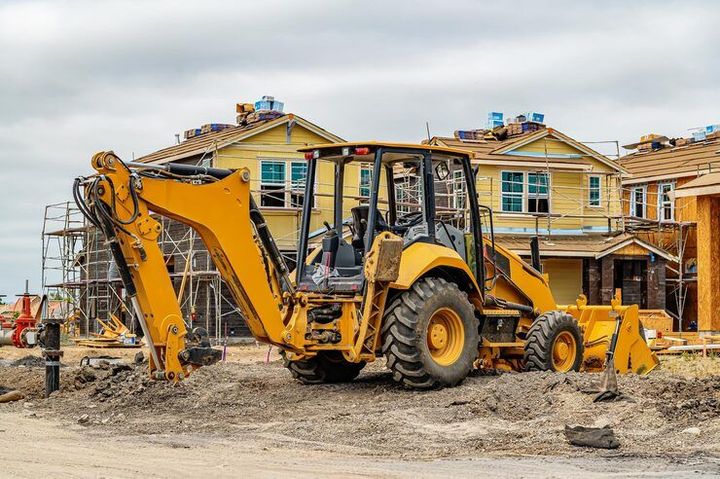
Heavy Equipment Rental is commonly used when projects require specialized machinery for temporary applications.
Large machines may include:
- Excavators
- Bulldozers
- Cranes
- Large loaders
- Motor graders
- Specialized lifting equipment
Before arranging heavy equipment rental, project managers should evaluate transportation requirements, site access, operator qualifications, and equipment specifications.
The physical dimensions of heavy machinery can significantly influence logistics, especially on urban sites or projects with restricted entrances.
When Heavy Machinery Rental Makes Sense
Heavy Machinery Rental can be useful for projects that experience fluctuating equipment requirements.
For example, a contractor may require excavation equipment during the early stages of a project but need lifting machinery later. Temporary access to specialized equipment can help align machinery availability with individual construction phases.
It can also support projects that require equipment for:
- Short-term infrastructure work
- Specialized excavation
- Seasonal construction
- Emergency repair projects
- Large-scale development
- Road and utility work
The decision should be based on project requirements, operational planning, and equipment utilization.
Key Factors to Consider Before Renting Equipment
Choosing construction machinery requires more than identifying the machine category.
Equipment Capacity
Determine the required digging depth, lifting capacity, bucket size, reach, or operating weight based on the specific task.
Site Conditions
Consider terrain, soil conditions, available space, slopes, ground stability, and potential obstacles.
Project Duration
The expected project timeline helps determine how long the equipment will be needed and how it should be scheduled.
Operator Requirements
Some equipment requires specialized training or certified operators. Confirming operator requirements before deployment helps support safe operations.
Transportation
Large machinery may require specialized transportation to reach the worksite. Site access and delivery logistics should be evaluated in advance.
Equipment Condition
Before use, equipment should be inspected for visible damage, fluid leaks, safety systems, controls, tires, tracks, and other essential components.
Comparing Equipment by Construction Task
| Construction Task | Common Equipment | Primary Purpose |
|---|---|---|
| Excavation | Excavators | Digging and trenching |
| Land Clearing | Bulldozers | Pushing and site preparation |
| Material Loading | Wheel Loaders | Moving loose materials |
| Heavy Lifting | Cranes | Vertical material movement |
| Material Transport | Dump Trucks | Moving bulk materials |
| Surface Grading | Motor Graders | Creating precise surfaces |
| Compaction | Rollers | Densifying soil and surfaces |
| Concrete Placement | Concrete Pumps | Delivering concrete |
| Elevated Access | Aerial Lifts | Reaching elevated work areas |
This type of task-based comparison can help project teams identify equipment categories before reviewing individual machine specifications.
Safety Considerations
Construction equipment should always be operated according to applicable safety requirements and manufacturer instructions.
Important practices include:
- Conducting pre-use inspections
- Using trained operators
- Maintaining clear communication
- Establishing designated work zones
- Following load limits
- Keeping pedestrians away from operating machinery
- Using appropriate personal protective equipment
- Maintaining equipment according to recommended schedules
Safety planning should be integrated into equipment selection rather than treated as a separate consideration.
Common Equipment Selection Mistakes
Several mistakes can reduce the effectiveness of construction equipment planning.
One common issue is selecting machinery based solely on size or power without considering the actual task.
Another is failing to account for site access. Large equipment may be technically capable of completing the work but difficult to transport or maneuver.
Ignoring operator requirements can also create scheduling problems.
Finally, failing to inspect equipment before use may increase the likelihood of unexpected interruptions and operational concerns.
Future Trends in Construction Machinery
Technology continues to influence the development and use of construction equipment.
Emerging trends include:
- Telematics-based equipment monitoring
- GPS machine control
- Automated grading systems
- Remote diagnostics
- Predictive maintenance
- Electric construction equipment
- Hybrid power systems
- Improved operator assistance technologies
These developments are helping construction companies improve equipment monitoring, reduce unnecessary downtime, and manage machinery more efficiently.
Frequently Asked Questions
What is construction equipment rental?
Construction equipment rental is the temporary use of machinery for specific construction projects or tasks, allowing teams to access equipment according to their operational requirements.
How do I choose the right construction machinery?
Consider the task, site conditions, equipment capacity, project duration, operator requirements, transportation needs, and available working space.
What is the difference between heavy equipment rental and heavy machinery rental?
The terms are often used interchangeably to describe temporary access to large construction machines such as excavators, cranes, bulldozers, loaders, and graders.
Is equipment inspection important before use?
Yes. Pre-use inspections help identify visible damage, mechanical concerns, and safety issues before machinery enters active operation.
Can rented equipment be used for different construction tasks?
Some machines are highly versatile and can support multiple tasks with suitable attachments. However, equipment should always be selected according to the manufacturer's specifications and the requirements of each application.
Conclusion
Construction equipment rental provides construction teams with flexible access to machinery suited to specific project stages and tasks. From excavation and earthmoving to lifting, concrete placement, grading, and compaction, each equipment category has a distinct role in modern construction.
The most effective equipment selection process begins with understanding the work itself. Project managers should evaluate site conditions, machine capacity, access limitations, operator requirements, safety considerations, and scheduling needs before selecting machinery.
Whether a project requires Construction Machinery Rental for a specialized task, Heavy Equipment Rental for large-scale earthmoving, or Heavy Machinery Rental for demanding infrastructure work, careful planning helps ensure that equipment supports the project's actual requirements. As construction technology continues to advance, better monitoring, automation, and energy-efficient machinery are also creating new opportunities to improve how equipment is selected and managed across modern worksites.