Smart Factory Equipment Guide for Modern Industrial Automation Systems
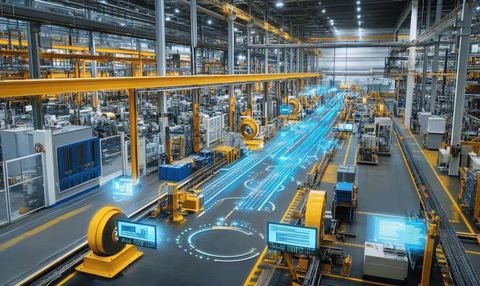
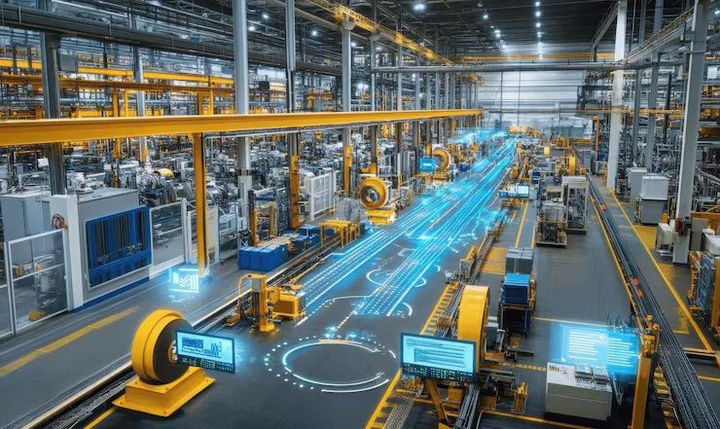
Smart factory equipment refers to advanced machinery, sensors, and connected systems used in automated and digitally integrated manufacturing environments. These systems are designed to collect, analyze, and act on real-time data to improve efficiency, accuracy, and productivity.
In traditional factories, machines operate independently with minimal data exchange. Smart factories, however, use interconnected equipment such as industrial robots, IoT sensors, programmable logic controllers (PLCs), and AI-driven systems. These components communicate continuously to optimize production processes.
This concept exists because industries need to handle increasing production demands while maintaining precision and reducing downtime. Smart factory equipment enables predictive maintenance, automated decision-making, and flexible production lines, which are essential in modern industrial ecosystems.
Why Smart Factory Equipment Matters Today
Smart factory equipment transforms manufacturing across industries such as automotive, electronics, pharmaceuticals, and consumer goods. Companies rely on automation and digital systems to remain efficient and scalable in a competitive global environment.
Key Benefits
- Improved Productivity: Automated systems reduce manual intervention and increase output consistency.
- Data-Driven Decisions: Real-time analytics help optimize operations and reduce errors.
- Reduced Downtime: Predictive maintenance identifies issues before failures occur.
- Energy Efficiency: Smart systems monitor and optimize energy usage.
- Workforce Transformation: Supports skilled roles in robotics, data analysis, and system management.
Industries Affected
- Manufacturing and production units
- Supply chain and logistics sectors
- Industrial automation and robotics engineering
- Energy and utilities management
Problems Solved by Smart Factory Equipment
| Challenge | Solution Provided by Smart Equipment |
|---|---|
| Machine downtime | Predictive maintenance systems |
| Manual errors | Automated quality control |
| Inefficient resource use | Real-time monitoring and optimization |
| Lack of scalability | Flexible and modular production systems |
Recent Updates and Trends in Smart Factory Equipment
The past year has seen significant advancements in smart factory technologies, particularly in automation and digital integration.
Key Trends (2025–2026)
- AI-Powered Automation: Machine learning predicts production outcomes and optimizes workflows.
- Digital Twin Technology: Virtual models of physical systems allow simulation and testing before implementation.
- Edge Computing Adoption: Data processing closer to machines reduces latency and improves decision speed.
- 5G-Enabled Factories: Faster connectivity enhances real-time communication between devices.
- Collaborative Robots (Cobots): Designed to work safely alongside humans, improving productivity.
Recent Developments
- Early 2025: Expansion of AI-based predictive maintenance systems in global manufacturing.
- Mid-2025: Increased adoption of digital twins in automotive and aerospace industries.
- Late 2025: Edge computing integration became common in medium-scale factories.
These updates indicate a shift toward more intelligent, autonomous, and interconnected manufacturing systems.
Laws, Regulations, and Government Policies
Smart factory equipment is influenced by various regulations and policies, particularly in countries promoting industrial growth and digital transformation.
Key Initiatives in India
- Digital India Program: Encourages digital infrastructure and adoption of advanced technologies.
- Make in India Initiative: Promotes manufacturing growth with modern technologies.
- National Policy on Electronics: Supports automation and electronics manufacturing.
Regulatory Considerations
- Data Protection Laws: Ensure secure handling of industrial and operational data.
- Workplace Safety Regulations: Govern the use of robotics and automated systems.
- Environmental Standards: Monitor emissions and energy usage in factories.
Compliance ensures that smart factory systems operate safely, efficiently, and sustainably.
Tools and Resources for Smart Factory Equipment
Various tools and platforms help implement and manage smart factory systems effectively.
Common Tools
- SCADA Systems (Supervisory Control and Data Acquisition): Monitor and control industrial processes.
- MES (Manufacturing Execution Systems): Track production in real time.
- ERP Software (Enterprise Resource Planning): Integrates business and production data.
- Industrial IoT Platforms: Connect machines and collect sensor data.
- Digital Twin Software: Simulates factory operations.
Helpful Resources
- Industrial automation software platforms
- Online simulation tools for production planning
- Data analytics dashboards for performance tracking
- Templates for workflow optimization
- Training platforms for robotics and automation
Example Comparison of Tools
| Tool Type | Purpose | Key Benefit |
|---|---|---|
| SCADA | Process monitoring | Real-time control |
| MES | Production tracking | Improved efficiency |
| ERP | Resource management | Data integration |
| IoT Platforms | Device connectivity | Real-time insights |
| Digital Twin | Simulation and testing | Risk reduction |
Frequently Asked Questions About Smart Factory Equipment
What is smart factory equipment?
It includes connected machines, sensors, and systems that automate and optimize manufacturing processes using data and digital technologies.
How does smart factory equipment improve efficiency?
It uses real-time data and automation to reduce manual work, minimize errors, and optimize production processes.
Is smart factory equipment suitable for small industries?
Yes, scalable solutions such as modular automation and cloud-based tools make it accessible for small and medium enterprises.
What technologies are commonly used in smart factories?
Key technologies include IoT, artificial intelligence, robotics, cloud computing, and data analytics.
What skills are needed to manage smart factory systems?
Skills in automation, data analysis, programming, and industrial engineering are commonly required.
Key Insights Through Data Comparison
| Factor | Traditional Factory | Smart Factory |
|---|---|---|
| Automation Level | Low | High |
| Data Usage | Limited | Extensive |
| Maintenance Approach | Reactive | Predictive |
| Production Flexibility | Fixed | Flexible |
| Decision Making | Manual | Data-driven |
This comparison highlights how smart factory equipment enhances operational efficiency and adaptability.
Conclusion
Smart factory equipment represents a major shift in industrial operations. By integrating automation, data analytics, and connected systems, modern factories achieve higher efficiency, improved quality, and greater flexibility.
The adoption of AI, IoT, and digital twins shows that smart manufacturing is a long-term transformation. Government initiatives and evolving regulations further support this shift, making it structured and scalable.
Understanding smart factory equipment is essential for professionals, businesses, and learners. With the right tools, knowledge, and strategies, organizations can transition effectively into intelligent manufacturing environments and maintain a competitive edge.