Pest Control: A Complete Guide to Prevention, Management, and Long-Term Protection
Pests can create problems that go far beyond simple inconvenience. In homes, businesses, farms, and storage environments, pest activity may affect hygiene, structural stability, food safety, and overall living conditions. What often begins as a small issue can gradually expand if early warning signs are ignored.
This growing concern has made pest control an important part of property maintenance and environmental management. But effective pest control is not only about removing visible pests. What really matters is understanding why infestations happen, how pests adapt to environments, and which prevention methods create long-term protection.
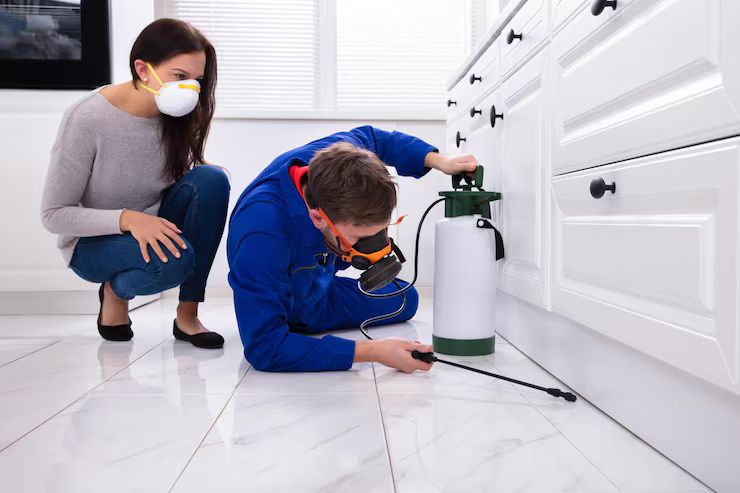
Different pests behave differently, which means control strategies also vary depending on the environment and infestation type. A method that works effectively in one setting may produce limited results in another.
This pest control guide explores how pest management systems work, what affects their effectiveness, where challenges appear, and how long-term prevention strategies are applied in real-world situations.
Understanding Pest Control
Pest control refers to the process of managing or reducing unwanted organisms that affect human environments, agriculture, infrastructure, or stored materials.
Pests may include insects, rodents, termites, mosquitoes, or other organisms that interfere with safety and hygiene. Traditional pest management often focused only on immediate elimination. Modern approaches, however, emphasize long-term prevention and environmental balance.
This matters because many pests adapt quickly to changing environments. The real difference appears when pest control systems focus not only on treatment but also on identifying the conditions that allow infestations to grow.
Technically, pest management combines inspection, monitoring, sanitation, exclusion methods, and targeted treatment systems.
A practical example is food storage facilities using monitoring systems and environmental control measures to reduce contamination risk from rodents and insects.
How Pest Control Systems Work
Pest control systems follow a structured process designed to identify and reduce infestation risks.
The process begins with inspection and identification. The type of pest, infestation level, and affected areas are analyzed. This stage matters because different pests require different treatment approaches.
Next comes source analysis. Moisture, waste accumulation, cracks, or food access points are identified as contributing factors.
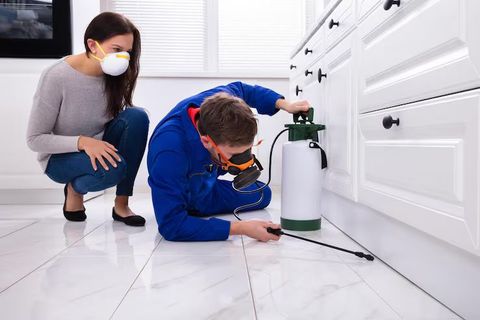
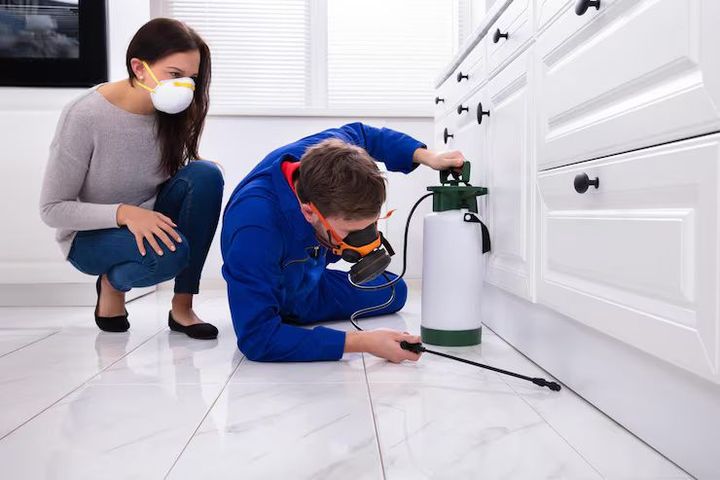
Treatment methods are then applied depending on the environment and infestation severity. These methods may involve traps, barriers, biological control, or targeted chemical applications.
Finally, monitoring and prevention systems help reduce the chances of reinfestation over time.
A practical example is termite management in residential buildings, where inspection and moisture control are combined with treatment barriers for long-term protection.
Common Types of Pest Problems
Different pest problems create different operational and environmental challenges.
Insect infestations
These include ants, cockroaches, mosquitoes, and termites that spread quickly in warm or humid environments.
Rodent infestations
Rodents can damage wiring, stored materials, and food supplies while increasing hygiene risks.
Agricultural pest activity
Crop-related pests affect plant growth and reduce agricultural productivity.
The real difference appears when environmental conditions support continuous pest activity. In many cases, prevention is more effective than repeated treatment after infestations expand.
Key Factors That Affect Pest Control Performance
The effectiveness of pest control depends on several connected factors.
One important factor is environmental management. Cleanliness, moisture control, and waste handling directly influence infestation risk. What really matters is reducing the conditions that attract pests in the first place.
Inspection accuracy also affects treatment effectiveness. Misidentifying pests often leads to ineffective control methods.
Treatment consistency is another major factor. Irregular monitoring can allow infestations to return even after initial control.
Structural protection also plays a role. Cracks, drainage problems, and ventilation gaps often create easy entry points for pests.
The core pest control performance factors include:
- Environmental management for prevention
- Inspection accuracy for targeted treatment
- Monitoring consistency for long-term control
- Structural protection for reduced entry points
Together, these elements determine how effectively pest control systems perform over time.
Benefits of Effective Pest Control
Effective pest control improves hygiene, safety, and environmental stability.
One major advantage is contamination reduction. Controlled environments reduce the spread of bacteria and harmful organisms.
Another benefit is structural protection. Some pests, especially termites and rodents, can damage buildings and infrastructure over time.
Pest management also improves operational reliability in food storage, healthcare, and agricultural environments.
Long-term prevention is another important benefit because consistent monitoring reduces recurring infestations.
A practical example is restaurants maintaining strict sanitation and monitoring systems to reduce food contamination risks.
Challenges and Limitations
Despite its advantages, pest control also involves several challenges.
Pest adaptation is one of the biggest issues. Many pests gradually develop resistance to repeated treatment methods.
Environmental conditions can also affect treatment effectiveness, especially in humid or densely populated areas.
Large infestations may require continuous monitoring and multiple treatment stages.
Another challenge is balancing pest control effectiveness with environmental safety, particularly in agricultural and residential environments.
A real-world example is mosquito management in urban regions where seasonal weather changes increase breeding activity despite ongoing treatment efforts.
Pest Control Comparison: Where Differences Appear
Different pest control methods focus on different operational priorities.
Chemical control methods
These provide faster treatment results but may require careful environmental management.
Biological control methods
These use natural predators or environmental balancing systems to reduce pest activity.
Preventive management systems
These focus on reducing infestation conditions before major pest activity develops.
The real difference appears when comparing immediate results with long-term environmental stability. Some methods prioritize rapid reduction, while others focus more on sustainable prevention.
In many cases, combining multiple approaches produces more stable long-term outcomes.
Decision Guide: Choosing the Right Pest Control Approach
Choosing a pest control strategy depends on several practical factors.
Infestation type is one of the most important considerations because different pests require different treatment methods.
Environmental sensitivity also affects decision-making. Residential, agricultural, and industrial environments often require different control strategies.
Infestation severity determines whether prevention-focused systems or intensive treatment methods are more appropriate.
Long-term maintenance expectations also influence strategy selection.
A practical example is a warehouse using monitoring systems and structural sealing alongside targeted treatments to prevent repeated infestations.
The real difference appears when prevention, treatment, and environmental management work together consistently.
Real-World Use Cases
Pest control systems are used across many industries and environments.
Residential properties use pest management to maintain hygiene and structural protection.
Agricultural environments rely on pest monitoring to protect crops and improve productivity.
Food storage facilities use contamination prevention systems.
Healthcare environments require strict pest management to maintain sanitation standards.
A clear example is hotels using continuous monitoring systems to maintain guest safety and prevent infestation-related operational issues.
Future Trends in Pest Control
The future of pest control is moving toward smarter monitoring and environmentally balanced systems.
AI-driven detection systems are improving infestation tracking and environmental analysis.
Smart sensors are helping identify pest activity earlier before infestations expand.
Eco-friendly treatment approaches are becoming more common in sensitive environments.
Automation is also improving monitoring consistency in large industrial and agricultural spaces.
What really matters is how future pest management systems improve long-term protection without increasing environmental impact.
FAQ
1. What is pest control?
It is the process of managing or preventing unwanted pests in different environments.
2. Why is pest prevention important?
Prevention reduces infestation risks and long-term structural or hygiene problems.
3. What affects pest control effectiveness?
Factors include sanitation, monitoring consistency, and environmental conditions.
4. Are all pest control methods chemical-based?
No, biological and preventive methods are also widely used.
5. Which environments commonly use pest control systems?
Homes, farms, warehouses, healthcare facilities, and food storage environments commonly use them.
Conclusion
Pest control remains an essential part of maintaining safe, hygienic, and stable environments across industries and residential spaces. By combining prevention, monitoring, and targeted treatment systems, modern pest management approaches focus on long-term environmental protection rather than only temporary solutions.
The real challenge lies in balancing effectiveness, sustainability, and environmental responsibility.