Understanding Semiconductors: Working Principles and Uses
Semiconductors are the backbone of modern technology. They are inside almost every electronic device we use today, from smartphones to cars and even home appliances. Without semiconductors, digital life as we know it would not exist.
In simple terms, a semiconductor is a material that can act both as a conductor (like metal) and an insulator (like rubber), depending on conditions. This special ability makes it extremely useful in controlling electrical signals.
As technology continues to grow, semiconductors are becoming even more important in fields like artificial intelligence, electric vehicles, and communication systems.
Understanding the Concept
A semiconductor is a material, usually made from silicon, that can control the flow of electricity. Unlike metals that always allow electricity to pass, semiconductors can be adjusted to either allow or block electrical flow.
This control is what makes them powerful. Engineers can design tiny circuits that turn electrical signals on and off, which is the basic idea behind digital electronics.
Some key points to understand:
- Silicon is the most commonly used semiconductor material
- Its electrical behavior can be modified by adding small impurities (called doping)
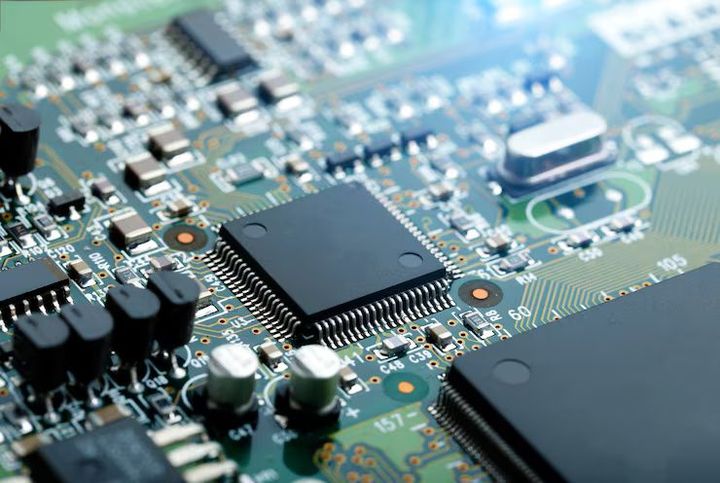
- It forms the base of microchips and integrated circuits
These circuits are built using advanced tools such as semiconductor fabrication equipment, which helps create extremely small and precise components.
Key Types or Categories
Intrinsic Semiconductors
These are pure semiconductors without any added materials. They have limited conductivity but are useful for understanding basic behavior.
Extrinsic Semiconductors
These are modified by adding impurities to improve performance. There are two main types:
- N-type: Extra electrons are added
- P-type: Missing electrons (holes) are created
These two types are combined to form the basic building blocks of electronic devices.
Integrated Circuits (ICs)
Integrated circuits are tiny chips that contain millions or even billions of transistors. They are created using IC manufacturing equipment that ensures high precision and consistency.
Discrete Semiconductor Devices
These include individual components like diodes and transistors that perform specific functions.
Important Subsections
What is a Transistor?
A transistor is a small device that controls electrical signals. It acts like a switch or amplifier.
- Switch: Turns signals on or off
- Amplifier: Strengthens signals
Transistors are the foundation of all modern electronics.
What is a Diode?
A diode allows electricity to flow in only one direction. It is commonly used in power supplies and signal control.
What is a Microchip?
A microchip is a small piece of semiconductor material that contains many circuits. It performs tasks like processing data or storing information.
These microchips are created using wafer fabrication equipment, where thin slices of silicon are carefully processed to form circuits.
How It Works
Understanding how semiconductors work can be simple if broken into steps:
-
Start with Silicon
Silicon is extracted and purified to create a clean base material. -
Create a Wafer
The silicon is shaped into thin circular slices called wafers. -
Add Impurities (Doping)
Small amounts of other elements are added to change electrical properties. -
Build Layers
Multiple layers of materials are added to form circuits. -
Etching Patterns
Tiny patterns are etched onto the wafer to create electrical pathways. -
Testing and Packaging
The final chips are tested and then placed into protective casings.
This entire process requires advanced semiconductor fabrication equipment to ensure accuracy at a microscopic level.
Benefits and Advantages
Semiconductors offer several important advantages that make them essential in modern technology:
-
Energy Efficiency
They use less power compared to older technologies. -
Compact Size
Millions of components can fit into a small chip. -
High Speed
They process data very quickly. -
Reliability
They have a long lifespan and stable performance. -
Scalability
Manufacturers can create more powerful chips by reducing size and increasing density.
These benefits allow devices to become faster, smaller, and more efficient over time.
Real-World Examples or Applications
Semiconductors are used in many everyday applications. Here are some relatable examples:
Smartphones
Every smartphone contains multiple semiconductor chips that handle:
- Processing data
- Managing battery usage
- Connecting to networks
Automobiles
Modern vehicles use semiconductors for:
- Engine control systems
- Navigation and sensors
- Safety features like airbags
Computers and Laptops
Processors and memory chips are built using semiconductors, enabling fast computing and multitasking.
Home Appliances
Devices like washing machines, refrigerators, and air conditioners use semiconductors for automation and efficiency.
Medical Equipment
Machines like MRI scanners and patient monitoring systems rely on semiconductor technology for accurate results.
Important Factors to Understand
When learning about semiconductors, it is important to consider a few key factors:
Precision Manufacturing
The process requires extreme accuracy. Even tiny errors can affect performance.
Clean Environment
Semiconductor production happens in special clean rooms to prevent contamination.
Material Quality
High-purity silicon is essential for reliable performance.
Heat Management
Semiconductors generate heat, so proper cooling is necessary.
Complexity of Design
Modern chips contain billions of components, making design and testing highly complex.
These factors highlight why advanced IC manufacturing equipment plays a crucial role in producing reliable semiconductor devices.
Future Trends and Industry Insights
The semiconductor industry is constantly evolving. Several trends are shaping its future:
Smaller and More Powerful Chips
Manufacturers are working to reduce chip size while increasing performance.
Artificial Intelligence Integration
Semiconductors are being designed specifically for AI applications, improving speed and efficiency.
Energy-Efficient Designs
New technologies aim to reduce power consumption even further.
Advanced Manufacturing Techniques
New methods are being developed to improve precision and production speed.
Expansion into New Industries
Semiconductors are becoming important in areas like:
- Smart homes
- Renewable energy
- Autonomous vehicles
As demand continues to grow, innovations in wafer fabrication equipment will play a key role in supporting next-generation technology.
Conclusion
Semiconductors are one of the most important inventions in modern technology. They make it possible for electronic devices to function efficiently and reliably. By controlling the flow of electricity, they enable everything from simple circuits to advanced computing systems.
Understanding how semiconductors work helps us appreciate the complexity behind everyday devices. From smartphones to medical equipment, their impact is everywhere.
As technology continues to advance, semiconductors will remain at the center of innovation, driving progress in countless industries.