How to Choose Ice Cream Makers: Detailed Overview, Facts & Pro Advice
Ice cream makers are appliances designed to freeze and churn ingredients into a smooth, creamy dessert. The process combines cooling and agitation to prevent ice crystals from forming, which is essential for achieving the desired texture.
Before modern machines, ice cream was made manually using ice, salt, and hand-cranked containers. Today, technology has simplified this process, making it possible to prepare ice cream, gelato, frozen yogurt, and sorbet at home or in commercial settings.
Ice cream makers exist to provide control over ingredients, texture, and flavor. This is particularly useful for people who prefer customized recipes, such as dairy-free or low-sugar options.
Types of Ice Cream Makers
| Type | How It Works | Key Feature | Best For |
|---|---|---|---|
| Manual | Hand-cranked with ice and salt | No electricity required | Traditional methods |
| Freezer Bowl | Pre-frozen bowl churns mixture | Affordable and simple | Occasional use |
| Compressor | Built-in freezing system | No pre-freezing needed | Frequent use |
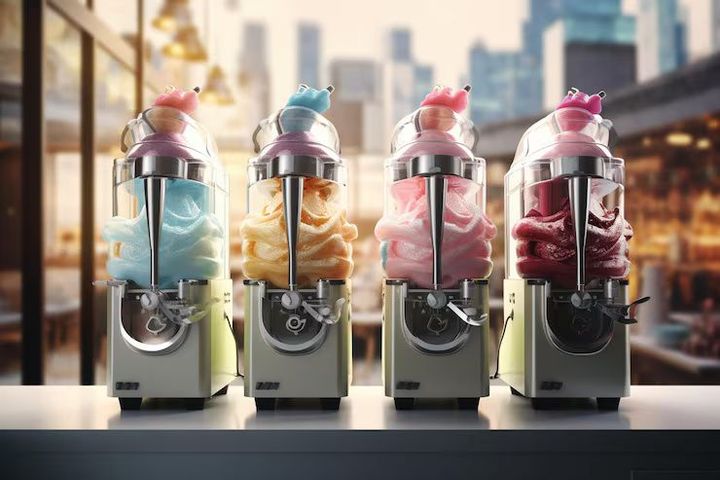
| Commercial | High-capacity machines | Continuous operation | Businesses |
Each type serves a different purpose, and understanding these differences is the first step in choosing the right one.
Importance – Why This Topic Matters Today
Interest in home-based food preparation has grown significantly in recent years. Ice cream makers are now part of a broader trend toward personalized and healthier food choices.
Who It Affects
- Households exploring homemade desserts
- Individuals with dietary restrictions
- Food enthusiasts experimenting with recipes
- Small-scale food businesses
Problems It Solves
Ice cream makers address several common challenges:
- Ingredient control: Avoid additives and preservatives
- Customization: Create unique flavors and textures
- Dietary needs: Prepare vegan, keto, or lactose-free options
- Consistency: Achieve uniform results compared to manual methods
Key Features That Matter
When selecting an ice cream maker, certain features influence usability and performance:
| Feature | Why It Matters |
|---|---|
| Capacity | Determines how much ice cream you can make at once |
| Freezing Method | Impacts convenience and preparation time |
| Churning Speed | Affects texture and consistency |
| Material Quality | Influences durability and hygiene |
| Ease of Cleaning | Saves time and effort |
Choosing the right combination of features depends on how often and why the machine will be used.
Recent Updates – Trends and Developments (2025–2026)
The ice cream maker market has evolved with new technology and consumer preferences.
Smart Appliance Integration
In 2025, several models introduced app-based controls, allowing users to monitor and adjust settings remotely. These systems can suggest recipes and track preparation time.
Energy Efficiency Improvements
Manufacturers have focused on reducing energy consumption. New compressor-based machines released in late 2025 use improved insulation and efficient cooling systems.
Health-Focused Innovations
There is growing demand for machines designed for alternative recipes. Many newer models now support:
- Plant-based ingredients
- Low-sugar formulations
- High-protein frozen desserts
Compact Designs
Urban households have driven the demand for smaller, space-saving appliances. Compact ice cream makers launched in early 2026 offer similar performance with reduced size.
Market Growth Insight
| Year | Trend |
|---|---|
| 2024 | Rising interest in home dessert preparation |
| 2025 | Expansion of smart and energy-efficient models |
| 2026 | Focus on health-conscious and compact designs |
These trends show how ice cream makers are adapting to modern lifestyles and preferences.
Laws or Policies – Regulations Affecting Ice Cream Makers
Ice cream makers are subject to various safety and quality regulations, especially when used in commercial settings.
Electrical Safety Standards
In many countries, including India, appliances must comply with safety certifications such as those regulated by the Bureau of Indian Standards (BIS). These standards ensure:
- Safe electrical components
- Proper insulation
- Reliable performance
Food Safety Guidelines
For commercial use, machines must meet food hygiene regulations. These guidelines cover:
- Use of food-grade materials
- Easy cleaning and sanitation
- Prevention of contamination
Energy Regulations
Governments are increasingly promoting energy-efficient appliances. Some regions require labeling that indicates power consumption and efficiency ratings.
Environmental Considerations
Recent policies encourage the use of eco-friendly refrigerants in compressor-based machines. This reduces environmental impact and aligns with global sustainability goals.
Understanding these regulations helps users choose appliances that are safe, compliant, and environmentally responsible.
Tools and Resources – Helpful Support for Choosing and Using Ice Cream Makers
Several tools and resources can make the selection and usage process easier.
Digital Tools
- Recipe apps for frozen desserts
- Kitchen appliance comparison platforms
- Energy consumption calculators
Practical Resources
| Resource Type | Purpose |
|---|---|
| Recipe Templates | Provide structured ingredient guides |
| User Manuals | Explain operation and maintenance |
| Maintenance Checklists | Help extend machine lifespan |
| Portion Calculators | Adjust ingredient quantities |
Educational Content
- Online tutorials explaining ice cream techniques
- Guides on ingredient substitutions
- Community forums for sharing recipes and tips
Using these resources can improve both the selection process and the overall experience of making ice cream.
FAQs – Common Questions Answered
What is the easiest type of ice cream maker to use?
Freezer bowl models are generally the easiest. They require minimal setup, though the bowl must be pre-frozen before use.
How does a compressor ice cream maker differ from others?
It has a built-in cooling system, so it does not require pre-freezing. This allows continuous use and greater convenience.
Can ice cream makers handle non-dairy recipes?
Yes, most machines can process plant-based ingredients like almond milk or coconut milk, as long as the recipe is balanced.
How important is capacity when choosing a machine?
Capacity determines how much ice cream can be made in one cycle. Larger households or frequent use may require higher capacity models.
What maintenance is required?
Regular cleaning, proper storage, and checking for wear in moving parts are essential to maintain performance and hygiene.
Conclusion
Choosing an ice cream maker involves understanding different types, features, and user needs. While the basic function remains the same—freezing and churning ingredients—the available options vary widely in convenience, capacity, and technology.
Modern developments, including smart features and energy efficiency, have expanded the possibilities for home and small-scale use. At the same time, regulations ensure safety and quality, especially for commercial applications.