Professional Guide to Commercial Bakery Equipment Essentials
Commercial bakery equipment forms the foundation of modern baking operations by improving consistency, productivity, food safety, and product quality. Understanding the essential equipment, current industry trends, regulations, and practical resources helps readers gain a better understanding of professional baking environments.
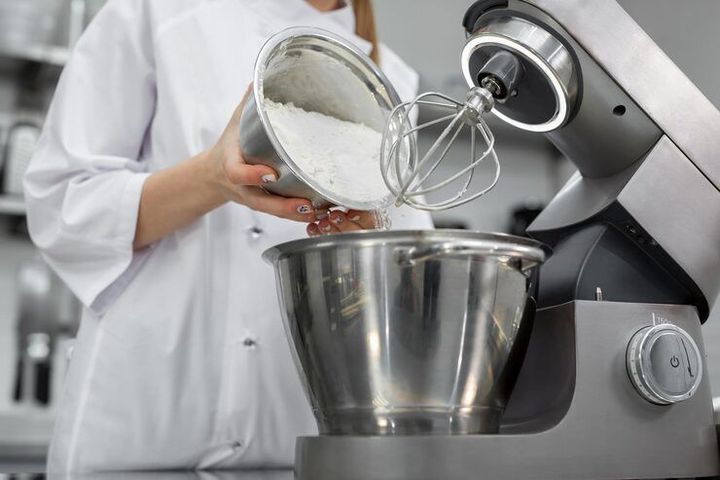
Commercial bakery equipment includes the specialized machines and tools used to prepare, mix, shape, bake, cool, and package baked products in larger production environments. Unlike household kitchen appliances, these machines are designed for continuous operation, consistent output, and improved food safety.
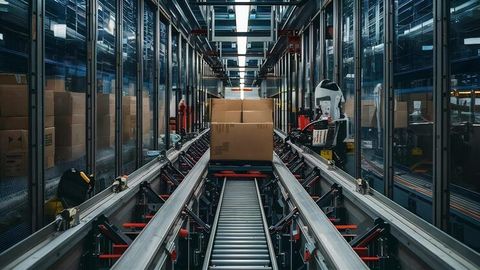
Modern bakeries rely on equipment that supports efficient production while maintaining consistent product quality. Advances in automation, digital controls, and energy-efficient technology have transformed bakery operations, making production more reliable and easier to manage.
Many educational programs, food production facilities, hospitality organizations, and commercial kitchens study bakery equipment to understand professional food production methods and operational efficiency.
Why Commercial Bakery Equipment Matters
Reliable bakery equipment supports every stage of food preparation. Accurate measuring, controlled mixing, uniform baking temperatures, and proper cooling contribute to better product consistency and reduced waste.
Key Benefits
- Improved production consistency
- Better temperature control
- Enhanced food safety practices
- Increased operational efficiency
- Reduced ingredient waste
- Easier production planning
- Improved energy management
- Better quality control
Common Types of Commercial Bakery Equipment
| Equipment Category | Primary Purpose | Typical Function |
|---|---|---|
| Dough Mixer | Dough preparation | Uniform ingredient mixing |
| Dough Divider | Portion control | Equal dough sizing |
| Dough Proofer | Fermentation | Controlled humidity and temperature |
| Deck Oven | Baking | Even heat distribution |
| Rack Oven | High-volume baking | Multiple tray baking |
| Cooling Rack | Product cooling | Air circulation after baking |
| Packaging Equipment | Product protection | Packaging and labeling |
These systems work together to improve workflow, maintain hygiene, and support consistent bakery production.
Recent Industry Updates
The commercial bakery equipment industry continues to evolve with new technologies introduced throughout 2025 and early 2026.
Growing Automation
Manufacturers are increasingly integrating automated ingredient handling, programmable baking cycles, and intelligent production monitoring to improve operational accuracy.
Energy Efficiency
Many newly developed bakery machines emphasize lower energy consumption through improved insulation, heat recovery systems, and optimized heating elements.
Smart Digital Controls
Digital touch-screen interfaces allow operators to monitor baking temperatures, humidity levels, production timing, and maintenance schedules more accurately.
Predictive Maintenance
Modern equipment increasingly includes diagnostic systems that monitor operating conditions and alert operators before maintenance issues become serious, helping reduce unexpected downtime.
Food Safety Improvements
Manufacturers continue improving equipment designs with smoother stainless-steel surfaces, easier cleaning access, and hygienic construction that supports sanitation requirements.
Laws and Policies
Commercial bakery equipment is affected by food safety regulations, workplace safety standards, and environmental policies that vary by country.
Food Safety Regulations
Food production facilities typically follow regulations covering:
- Equipment sanitation
- Food-contact materials
- Temperature monitoring
- Cleaning procedures
- Contamination prevention
Workplace Safety
Bakery environments often require compliance with workplace safety rules covering:
- Electrical safety
- Machine guarding
- Emergency shutoff systems
- Employee safety training
- Protective equipment
Environmental Standards
Many countries encourage energy-efficient machinery and environmentally responsible manufacturing through efficiency standards and sustainability programs that support reduced energy consumption and responsible waste management.
Understanding these requirements helps organizations maintain safe and compliant production environments.
Tools and Resources
Several general resources can help individuals learn more about commercial bakery equipment and bakery production.
Useful Learning Resources
- Equipment maintenance checklists
- Preventive maintenance schedules
- Production planning templates
- Food safety inspection forms
- Energy efficiency calculators
- Capacity planning worksheets
- Production monitoring software
- Technical training manuals
These resources assist in improving operational planning, maintenance organization, and production consistency.
Equipment Workflow Overview
Ingredient Preparation
          │
          ▼
      Dough Mixing
          │
          ▼
     Dough Dividing
          │
          ▼
       Proofing
          │
          ▼
        Baking
          │
          ▼
        Cooling
          │
          ▼
      Packaging
          │
          ▼
 Final Product Distribution
Frequently Asked Questions
What is commercial bakery equipment?
Commercial bakery equipment consists of professional machines used for mixing, proofing, baking, cooling, and packaging baked products in larger-scale production environments.
Why is temperature control important in bakery equipment?
Accurate temperature control helps ensure consistent baking results, supports food safety, and improves overall product quality.
What materials are commonly used in bakery equipment?
Stainless steel is widely used because it is durable, corrosion-resistant, easy to clean, and suitable for food-contact applications.
How does automation improve bakery production?
Automation helps maintain consistent production, reduces manual errors, improves workflow efficiency, supports quality control, and simplifies production monitoring.
Why is preventive maintenance important?
Preventive maintenance helps equipment operate efficiently, reduces unexpected breakdowns, extends machine lifespan, and supports consistent production quality.
Conclusion
Commercial bakery equipment plays an essential role in modern food production by improving consistency, efficiency, hygiene, and operational reliability. As technology continues to advance through automation, digital monitoring, predictive maintenance, and energy-efficient innovations, bakery operations become more productive while supporting higher food safety standards.
Understanding equipment categories, industry developments, regulatory requirements, and practical learning resources provides valuable knowledge for anyone interested in professional baking environments. Keeping informed about evolving technologies and maintenance practices helps create safer, more efficient, and sustainable bakery operations.
Disclaimer
This article is intended for general educational and informational purposes only. Regulations, equipment specifications, operational requirements, and food safety standards may differ between countries and industries. Readers should consult applicable local regulations and qualified professionals when making decisions related to commercial bakery operations.