Explore Excavator Rental: Smart Equipment Selection Guide
Excavator rental helps individuals and organizations access heavy construction equipment for temporary projects without long-term ownership. Understanding machine types, safety practices, regulations, and selection methods supports efficient project planning and responsible equipment use.
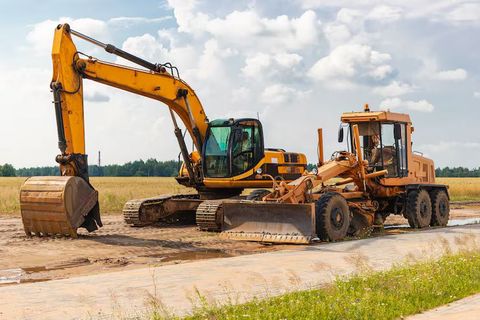
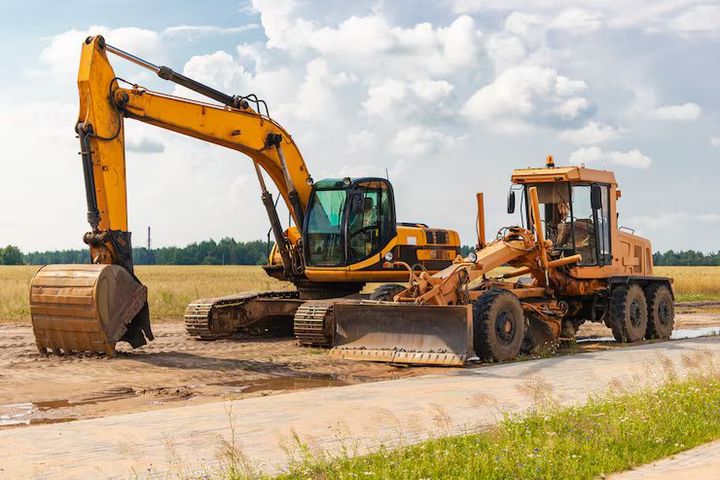
Excavators are powerful construction machines used for digging, trenching, demolition, landscaping, mining, road development, and material handling. Instead of permanent ownership, many projects rely on excavator rental because equipment needs often vary depending on project size, terrain, and duration.
Modern excavators are available in several categories, including mini excavators, crawler excavators, wheeled excavators, and long-reach excavators. Each machine is designed for different working environments and excavation requirements.
The purpose of excavator rental is to provide access to suitable construction equipment whenever a project requires specialized machinery. This approach helps project planners match equipment capabilities with site conditions while improving operational flexibility.
Importance
Excavator rental plays an important role across many industries. Construction companies, infrastructure developers, utility contractors, agricultural projects, municipal maintenance teams, and environmental restoration projects frequently depend on temporary access to heavy equipment.
Selecting the right excavator contributes to:
- Better project planning
- Improved workplace safety
- Efficient earthmoving operations
- Reduced equipment downtime
- Greater flexibility for changing project requirements
- Better fuel management and machine productivity
High-value construction projects often require careful equipment selection based on excavation depth, lifting capacity, hydraulic performance, operating weight, bucket size, and ground conditions. Understanding these factors allows project managers to choose equipment that matches technical requirements without unnecessary complexity.
Common Excavator Types
| Excavator Type | Typical Application | Best Working Environment |
|---|---|---|
| Mini Excavator | Landscaping, utility work | Small spaces |
| Crawler Excavator | Heavy excavation | Soft or uneven ground |
| Wheeled Excavator | Urban construction | Paved surfaces |
| Long-Reach Excavator | Riverbanks, demolition | Extended reach projects |
Recent Updates
During 2025 and early 2026, the construction equipment industry continued adopting technologies that improve efficiency and environmental performance.
Several noticeable trends include:
- Increased use of telematics for equipment monitoring
- Expansion of hybrid and electric excavator technology
- Improved fuel-efficient hydraulic systems
- AI-assisted maintenance scheduling
- GPS-supported machine guidance
- Digital fleet management platforms
- Enhanced operator safety monitoring systems
Many infrastructure projects now prioritize equipment with lower emissions and higher energy efficiency. Manufacturers have also focused on reducing noise levels, improving operator comfort, and integrating digital performance monitoring into modern excavators.
Industry Trend Snapshot
| Industry Trend | Growing Adoption |
|---|---|
| Electric Excavators | High |
| GPS Machine Guidance | High |
| Remote Equipment Monitoring | Very High |
| Predictive Maintenance | High |
| Hybrid Power Systems | Moderate to High |
Laws or Policies
Excavator operation is governed by occupational safety and environmental regulations in many countries. Although requirements differ by region, several common principles apply.
Important regulatory areas include:
- Operator competency requirements
- Workplace safety procedures
- Personal protective equipment (PPE)
- Equipment inspection before operation
- Site hazard assessments
- Safe excavation practices
- Underground utility identification
- Environmental protection measures
- Noise and emission compliance
Government infrastructure agencies often publish excavation safety guidance covering trench safety, soil stability, underground cable protection, and accident prevention.
Construction projects may also follow national standards for machine maintenance, operator documentation, and workplace risk management.
Tools and Resources
Several digital resources help improve excavator planning and equipment management.
Useful resources include:
- Equipment sizing calculators
- Earthmoving volume calculators
- Fuel consumption estimators
- Hydraulic capacity charts
- Preventive maintenance checklists
- Daily inspection templates
- Excavation planning worksheets
- Project scheduling software
- Digital site mapping tools
- Machine productivity estimators
These planning resources assist engineers, project coordinators, and site supervisors in preparing efficient excavation activities while maintaining safety standards.
FAQs
What factors should be considered when selecting an excavator?
Important considerations include excavation depth, lifting capacity, machine size, bucket capacity, hydraulic power, ground conditions, site accessibility, and project duration.
Why are mini excavators commonly used?
Mini excavators are suitable for confined spaces where larger machines cannot operate efficiently. They are often used for landscaping, utility installation, and residential construction.
How has technology improved excavators?
Modern excavators now include GPS guidance, telematics, digital diagnostics, predictive maintenance systems, improved hydraulics, and operator assistance features that enhance productivity and safety.
What safety practices are important during excavation?
Operators should inspect equipment before use, wear appropriate protective equipment, identify underground utilities, evaluate soil conditions, establish safe work zones, and follow excavation safety procedures.
Are environmental regulations affecting excavators?
Yes. Many countries encourage lower-emission construction equipment through updated environmental regulations, cleaner engine standards, improved fuel efficiency, and increased adoption of electric and hybrid machines.
Conclusion
Excavator rental has become an important part of modern construction, infrastructure development, landscaping, and utility projects. Understanding machine categories, operational requirements, safety practices, and equipment selection principles helps improve planning and project efficiency.
As digital technologies, telematics, automation, and environmentally responsible equipment continue to evolve throughout 2025 and 2026, excavators are becoming more productive, safer, and easier to manage. Staying informed about industry developments and regulatory requirements supports responsible equipment use and successful project outcomes.
Disclaimer
This article is intended for educational and informational purposes only. Regulations, equipment specifications, and construction practices may vary by country and project type. Always follow applicable local laws, workplace safety requirements, and manufacturer operating guidelines before conducting excavation activities.