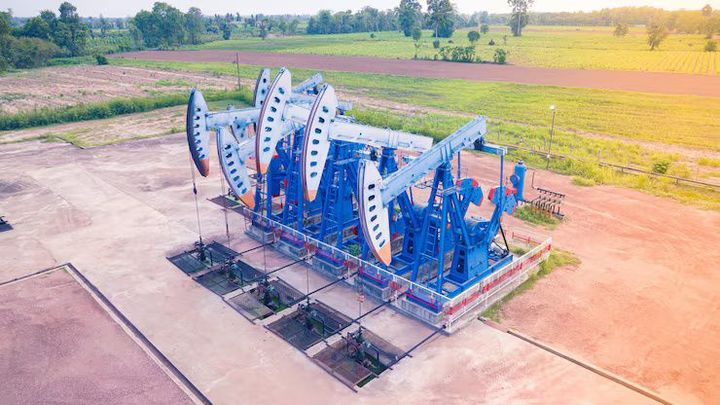
Hydrocrackers Explained: Smart Insights & Industry Basics
Hydrocrackers are important processing units used in modern petroleum refineries. These systems help convert heavy crude oil fractions into lighter and more useful fuels such as diesel, jet fuel, and gasoline. As global energy demand changes and fuel standards become stricter, hydrocracking technology continues to play a major role in refinery operations and industrial energy systems.
This topic is closely connected with high-value industrial sectors including refinery automation, petrochemical processing, energy infrastructure, industrial equipment, fuel efficiency systems, and clean fuel technologies. Understanding hydrocrackers helps explain how modern fuel production supports transportation, manufacturing, and industrial supply chains worldwide.
Context – What Hydrocrackers Are and Why They Exist
Understanding the Hydrocracking Process
Hydrocracking is a refinery process that breaks large hydrocarbon molecules into smaller and lighter products using hydrogen, heat, pressure, and catalysts. The process is usually carried out in specialized industrial reactors inside large petroleum refining facilities.
Heavy crude oil contains long-chain hydrocarbons that are less useful in their raw form. Hydrocrackers were developed to transform these heavy fractions into cleaner and more valuable fuel products.
Main Components of a Hydrocracker Unit
| Component | Function |
|---|---|
| Reactor Vessel | Breaks heavy hydrocarbons into lighter compounds |
| Catalyst System | Speeds up chemical reactions |
| Hydrogen Compressor | Supplies hydrogen during processing |
| Heat Exchangers | Control process temperatures |
| Separation Unit | Separates finished fuel products |
Types of Products Produced
Hydrocrackers can produce several refined products depending on refinery needs:
- Ultra-low sulfur diesel
- Aviation turbine fuel
- Naphtha for petrochemicals
- Industrial fuel oils
- Feedstock for chemical manufacturing
Why Refineries Use Hydrocrackers
Modern refineries process many types of crude oil, including heavier and lower-quality crude sources. Hydrocrackers help improve fuel quality while increasing refinery flexibility. They also support environmental targets by reducing sulfur and impurities in fuel products.
Importance – Why Hydrocrackers Matter Today
Supporting Global Fuel Demand
Transportation, aviation, logistics, and manufacturing industries rely heavily on refined petroleum products. Hydrocrackers help meet demand for cleaner fuels while maximizing output from available crude oil resources.
The process is especially important in regions with growing industrial activity and rising transportation needs.
Cleaner Fuel Production
Environmental regulations in many countries now require fuels with lower sulfur content. Hydrocrackers help refineries produce cleaner-burning fuels that generate fewer harmful emissions.
This supports broader environmental goals linked to air quality management and industrial emissions reduction.
Improving Refinery Efficiency
Hydrocracking allows refineries to increase the value of heavy crude oil fractions that might otherwise have limited industrial use. This improves operational efficiency and helps optimize refinery output.
Industries Affected by Hydrocracking
| Industry | Connection to Hydrocrackers |
|---|---|
| Aviation | Jet fuel production |
| Transportation | Diesel and gasoline supply |
| Petrochemicals | Feedstock generation |
| Shipping | Marine fuel processing |
| Manufacturing | Industrial energy support |
Energy Security and Industrial Infrastructure
Many governments view refinery modernization as part of national energy security planning. Hydrocracking technology supports domestic fuel production capacity and reduces dependence on imported refined fuels.
Large industrial economies continue investing in advanced refining technologies to improve long-term fuel reliability.
Recent Updates – Industry Trends and Developments
Growth in Cleaner Fuel Technologies During 2025
During 2025, several refinery modernization projects focused on cleaner fuel production and emissions reduction technologies. Hydrocracking systems remain part of many refinery upgrade programs because they improve fuel quality standards.
Refineries in Asia and the Middle East expanded investments in advanced catalyst technologies and hydrogen optimization systems.
Increased Focus on Sustainable Aviation Fuel
The aviation sector has increased attention on sustainable aviation fuel pathways. Some hydrocracking systems are being adapted to process renewable feedstocks alongside traditional petroleum streams.
This trend became more visible during late 2024 and early 2025 as governments introduced cleaner aviation fuel initiatives.
Digital Refinery Monitoring
Industrial automation and predictive maintenance tools are becoming more common in refinery operations. Modern hydrocracker units increasingly use:
- AI-assisted monitoring systems
- Industrial process analytics
- Real-time temperature tracking
- Digital twin technology
- Advanced refinery safety systems
Hydrogen Infrastructure Expansion
Hydrogen demand within refineries continues to rise because hydrocracking depends heavily on hydrogen availability. Several energy companies announced hydrogen infrastructure projects during 2025 to support refining operations and cleaner fuel production.
Catalyst Innovation
Refinery catalyst manufacturers introduced newer catalyst formulations designed to improve:
| Innovation Area | Expected Benefit |
|---|---|
| Catalyst durability | Longer operating cycles |
| Sulfur removal efficiency | Cleaner fuel production |
| Energy optimization | Lower operational intensity |
| Feedstock flexibility | Better heavy crude processing |
Laws or Policies – Regulations and Government Influence
Environmental Fuel Standards
Hydrocrackers are strongly influenced by environmental regulations. Many countries require refiners to reduce sulfur levels in transportation fuels.
Examples include:
- Ultra-low sulfur diesel standards
- Clean air fuel programs
- Industrial emissions controls
- Carbon reduction strategies
These policies encourage refineries to improve hydroprocessing capacity.
Industrial Safety Regulations
Hydrocracker units operate under high pressure and temperature conditions. Governments require strict industrial safety compliance to reduce operational risks.
Safety regulations commonly cover:
- Pressure vessel inspections
- Hydrogen handling systems
- Industrial emergency response
- Process hazard analysis
- Worker safety protocols
Carbon Emission Policies
Some regions introduced carbon reporting requirements affecting refinery operations. Since hydrocracking uses significant energy and hydrogen, refiners are evaluating ways to reduce carbon intensity.
Energy Transition Programs
Several governments continue balancing traditional fuel production with long-term energy transition planning. Refinery modernization programs may include support for:
| Policy Area | Purpose |
|---|---|
| Cleaner fuels | Reduce air pollution |
| Hydrogen projects | Support industrial decarbonization |
| Renewable feedstocks | Diversify energy sources |
| Refinery efficiency | Improve energy performance |
International Standards
Global refining operations often follow technical standards from international engineering and petroleum organizations. These standards help maintain consistency in refinery design, maintenance, and environmental management.
Tools and Resources – Helpful Technologies and Industry Systems
Refinery Simulation Software
Engineers use simulation tools to model refinery performance and optimize hydrocracker operations. These systems help evaluate temperature, pressure, and catalyst behavior.
Common applications include:
- Process optimization
- Energy balancing
- Equipment reliability analysis
- Production forecasting
Industrial Monitoring Platforms
Modern refinery facilities use digital monitoring platforms that provide real-time operational data.
Key monitoring areas include:
| Monitoring Tool | Main Purpose |
|---|---|
| Process analytics systems | Performance tracking |
| Emissions monitoring tools | Environmental compliance |
| Predictive maintenance software | Equipment health analysis |
| Industrial IoT sensors | Real-time operational data |
Hydrogen Management Systems
Hydrogen optimization tools help refineries manage hydrogen consumption more efficiently. These systems are important because hydrogen supply directly affects hydrocracker performance.
Engineering Design Resources
Industrial engineers frequently use technical standards, refinery manuals, process flow diagrams, and safety documentation during hydrocracker design and operation.
Training and Industrial Education
Educational platforms and industrial training programs help refinery professionals understand:
- Refining chemistry
- Process engineering
- Industrial automation
- Safety management
- Environmental compliance
FAQs – Common Questions About Hydrocrackers
What is the main purpose of a hydrocracker?
A hydrocracker converts heavy petroleum fractions into lighter and cleaner fuels such as diesel, jet fuel, and gasoline using hydrogen and catalysts.
Why is hydrogen important in hydrocracking?
Hydrogen helps break down heavy hydrocarbon molecules while also removing sulfur and impurities from fuel products.
Are hydrocrackers used only in oil refineries?
Hydrocrackers are primarily used in petroleum refineries, but related hydroprocessing technologies are also used in petrochemical and renewable fuel facilities.
How do hydrocrackers support cleaner fuels?
They reduce sulfur and other contaminants in fuel products, helping refineries meet modern environmental fuel standards.
What industries depend on hydrocracking technology?
Transportation, aviation, petrochemicals, manufacturing, logistics, and energy infrastructure industries all depend on refined fuel products supported by hydrocracking systems.
Conclusion
Hydrocrackers remain one of the most important technologies in modern petroleum refining. These systems help transform heavy crude oil into cleaner and more useful fuels that support transportation, industrial production, and energy infrastructure around the world.
As environmental standards continue evolving, hydrocracking technology is also changing through digital monitoring, advanced catalysts, hydrogen optimization, and refinery modernization programs. Governments, industrial operators, and energy companies continue investing in cleaner fuel technologies to balance energy demand with environmental goals.