LPG Filling Plants Insights: Expert Guide and Professional Recommendations
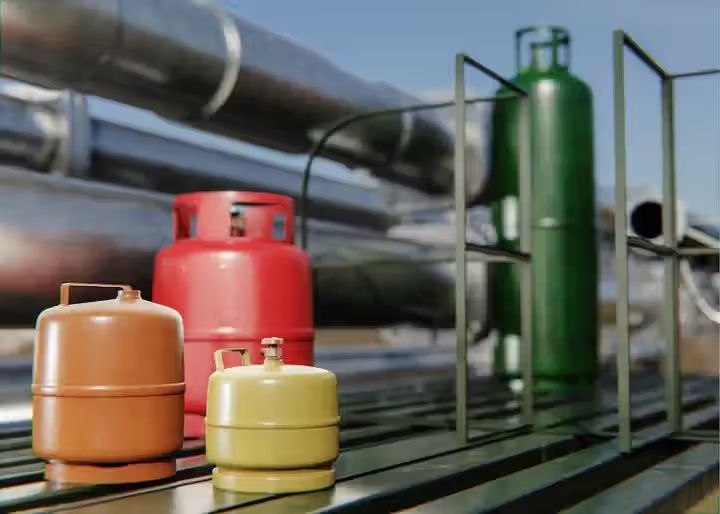
Liquefied Petroleum Gas (LPG) filling plants are specialized industrial facilities where LPG is transferred from bulk storage into cylinders for domestic, commercial, and industrial use. These plants form a critical link between refineries or import terminals and end users. LPG filling plant design focuses on safety, efficiency, and regulatory compliance.
The concept of LPG filling plants emerged as the demand for portable energy sources increased. As urban and rural areas expanded, there was a growing need for an efficient system to store and distribute fuel in manageable quantities. LPG filling plant operations typically include receiving LPG from refineries or import terminals, storing it under controlled conditions, and filling cylinders through automated or semi-automated systems.
These facilities are designed with strict safety measures because LPG is flammable and stored under pressure. Equipment such as compressors, pumps, and leak detection systems ensures that LPG is handled safely throughout the filling process. Understanding how LPG filling plants work helps explain how energy reaches millions of users in a reliable and structured way.
Importance
LPG filling plants are essential to modern energy distribution systems. They ensure that households, small businesses, and industries have access to a consistent fuel supply. In many regions, LPG is a primary cooking fuel, especially where pipeline gas infrastructure is limited.
The importance of LPG filling plants can be seen in everyday life through several factors:
- Energy accessibility: They make it possible to deliver fuel to remote or rural areas where other energy sources may not be available.
- Safety management: Controlled filling processes reduce the risk of accidents compared to informal or unregulated handling.
- Environmental considerations: LPG burns more cleanly than some traditional fuels, contributing to reduced indoor air pollution.
- Supply chain stability: Organized filling plants help maintain a steady flow of LPG, preventing disruptions in daily activities.
For individuals, this means reliable access to fuel for cooking and heating. For governments and infrastructure planners, LPG filling plants support energy security and public safety.
Recent Updates
Between 2024 and 2026, LPG filling plants have seen gradual technological improvements and operational changes. One noticeable trend is the increased adoption of automation. Modern LPG filling plant systems often use digital monitoring tools to track pressure levels, detect leaks, and manage cylinder filling with higher precision.
Another development is the integration of smart sensors and data systems. These technologies allow plant operators to monitor equipment performance in real time, reducing downtime and improving safety. In addition, some facilities are incorporating energy-efficient machinery to reduce operational impact.
Environmental considerations have also influenced updates. Many LPG filling plants are adopting improved vapor recovery systems that minimize gas loss during the filling process. This helps reduce emissions and improves overall efficiency.
There is also a growing focus on training and safety awareness. Operators are increasingly required to follow updated guidelines that reflect current safety standards, ensuring that LPG handling remains controlled and consistent.
Laws or Policies
LPG filling plants are regulated by government authorities to ensure safe operation and distribution. In India, for example, these facilities are governed by guidelines from organizations such as the Petroleum and Explosives Safety Organisation (PESO) and the Oil Industry Safety Directorate (OISD).
Key regulatory aspects include:
- Licensing requirements: Operators must obtain official approval before establishing or operating an LPG filling plant.
- Safety standards: Plants must follow strict design and operational guidelines, including proper spacing, fire protection systems, and emergency response plans.
- Inspection and compliance: Regular inspections are conducted to ensure adherence to safety and operational rules.
- Training requirements: Personnel working in LPG filling plants must be trained in handling hazardous materials and emergency procedures.
Government policies may also support the expansion of LPG infrastructure to improve access in underserved areas. These policies focus on safety, environmental responsibility, and efficient distribution.
Tools and Resources
Several tools and resources are used to support LPG filling plant operations and planning. These tools help maintain safety, efficiency, and compliance with regulations.
Monitoring and Safety Tools
LPG filling plants rely on systems that track pressure, temperature, and gas flow. Examples include gas detectors, pressure gauges, and automated shut-off valves.
Digital Management Systems
Software platforms are used to manage inventory, monitor cylinder movement, and track maintenance schedules. These systems help reduce errors and improve coordination.
Training Materials
Educational resources such as safety manuals, simulation programs, and instructional videos are commonly used to train workers in safe handling practices.
Regulatory Portals
Government websites provide access to licensing procedures, safety guidelines, and compliance requirements. These platforms help operators stay informed about current rules.
Example Data Table: Basic Components of LPG Filling Plants
| Component | Function |
|---|---|
| Storage Tanks | Store LPG under pressure |
| Pumps and Compressors | Transfer LPG within the plant |
| Filling Machines | Fill cylinders with controlled quantities |
| Safety Valves | Prevent overpressure situations |
| Leak Detection Units | Identify gas leaks quickly |
| Control Systems | Monitor and manage plant operations |
FAQs
What are LPG filling plants and how do they work?
LPG filling plants are facilities where liquefied petroleum gas is stored and transferred into cylinders. They use specialized equipment to ensure safe handling, controlled filling, and proper distribution.
Why are LPG filling plants important for households?
These plants enable the distribution of LPG cylinders used for cooking and heating. Without LPG filling plants, it would be difficult to supply fuel to homes, especially in areas without pipeline gas systems.
What safety measures are used in LPG filling plants?
Safety measures include leak detection systems, pressure control devices, fire protection equipment, and strict operational procedures. Regular inspections and trained personnel also contribute to safe operations.
Are LPG filling plants regulated by the government?
Yes, LPG filling plants are subject to regulations that govern their design, operation, and safety standards. Authorities ensure that these facilities comply with established guidelines.
What equipment is commonly used in LPG filling plant operations?
Common equipment includes storage tanks, compressors, filling machines, safety valves, and monitoring systems. These components work together to manage LPG safely and efficiently.
Conclusion
LPG filling plants play a central role in the distribution of liquefied petroleum gas, supporting both households and industries. They provide a structured and controlled way to store and distribute fuel while maintaining safety standards. With ongoing improvements in technology and regulation, these facilities continue to evolve to meet modern energy needs. Understanding their function helps explain how essential energy resources are delivered reliably.