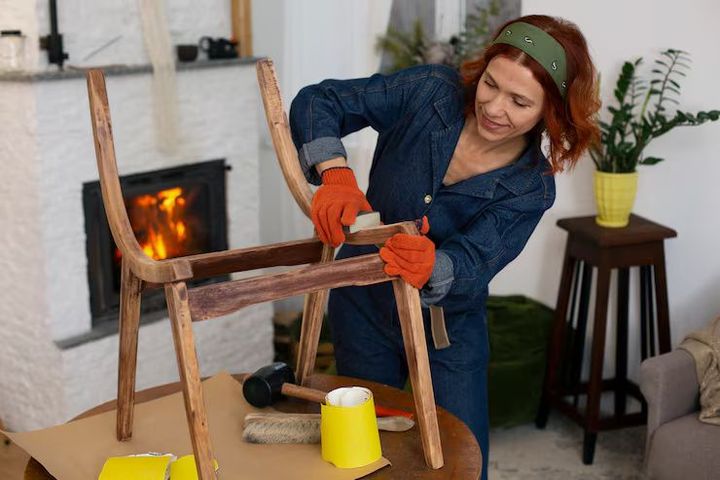
Explore Furniture Polishing Units: Expert Tips, Techniques & Industry Insights
Furniture polishing units are specialized manufacturing setups designed to improve the surface finish, durability, texture, and appearance of wooden or engineered furniture products. These units are commonly used in the furniture manufacturing industry to apply protective and decorative coatings such as lacquer, polyurethane, melamine, veneer finish, and water-based polish.
The purpose of furniture polishing developed alongside the growth of modern interior design and industrial woodworking. Early furniture finishing relied heavily on manual polishing using oils, waxes, and natural compounds. Over time, industrial machinery and automated finishing systems transformed the process into a more consistent and scalable operation.
Today, furniture polishing units are found in large factories, medium-scale woodworking workshops, and modular furniture production facilities. They are used for residential furniture, office interiors, hospitality furnishings, modular kitchens, and commercial wood products.
Modern polishing units generally include sanding stations, dust extraction systems, spray booths, drying chambers, UV curing equipment, and quality inspection sections. These systems help create smooth surfaces while protecting furniture against moisture, scratches, termites, and environmental wear.
Common Types of Furniture Polishing
| Polishing Type | Main Characteristics | Common Applications |
|---|---|---|
| PU Polish | High durability and glossy finish | Luxury furniture |
| Melamine Finish | Hard surface protection | Office furniture |
| NC Polish | Fast drying and economical | Decorative items |
| Water-Based Polish | Low VOC emissions | Eco-friendly interiors |
| Wax Polish | Natural appearance | Antique furniture |
| UV Coating | Quick curing technology | Mass production units |
Basic Furniture Polishing Workflow
| Process Stage | Purpose |
|---|---|
| Surface Preparation | Removes imperfections |
| Sanding | Creates smooth texture |
| Stain Application | Enhances wood appearance |
| Primer Coating | Improves adhesion |
| Final Polishing | Adds protection and shine |
| Drying or Curing | Hardens the surface |
Why Furniture Polishing Units Matter Today
Furniture polishing units have become increasingly important due to the rapid expansion of real estate, modular interior projects, hospitality infrastructure, and custom furniture manufacturing. Consumers now expect furniture to offer both visual appeal and long-term durability.
The rise of engineered wood products such as MDF, plywood, and particle board has also increased the demand for advanced polishing techniques. These materials require controlled finishing methods to maintain consistency and surface protection.
Key Benefits of Modern Polishing Systems
Improved Surface Durability
Protective coatings reduce the effects of moisture, scratches, UV exposure, and stains. This extends furniture lifespan in homes, offices, hotels, and retail environments.
Better Production Efficiency
Automated polishing systems help manufacturers maintain uniform quality while reducing manual labor dependency. Conveyor-based polishing units and robotic spray systems improve productivity in high-volume production environments.
Enhanced Indoor Air Quality
New finishing technologies focus on low-VOC coatings and eco-friendly chemicals. This reduces harmful emissions inside residential and commercial spaces.
Reduced Material Waste
Precision spray systems and controlled coating technologies help minimize excess chemical usage and surface defects.
Industries That Depend on Furniture Polishing Units
| Industry | Usage |
|---|---|
| Residential Interiors | Cabinets, wardrobes, tables |
| Hospitality Sector | Hotel furniture and décor |
| Commercial Offices | Modular workstations |
| Retail Stores | Display counters and shelves |
| Educational Institutions | Classroom furniture |
| Healthcare Facilities | Durable coated surfaces |
The furniture manufacturing industry also contributes significantly to industrial employment, woodworking innovation, and export-oriented production in several countries.
Recent Trends and Industry Updates
The furniture polishing sector has experienced several technological and environmental changes during 2025 and early 2026. Manufacturers are increasingly adopting sustainable coating technologies and smart finishing equipment.
Growth of Water-Based Coatings
During 2025, many furniture production facilities shifted toward water-based finishing systems due to stricter environmental standards and growing awareness regarding indoor air quality. Water-based coatings produce lower volatile organic compound emissions compared to traditional solvent-based alternatives.
Expansion of UV Curing Technology
UV curing systems gained wider adoption in 2025 because they significantly reduce drying time. These systems use ultraviolet light to instantly cure coatings, helping factories improve production speed and reduce energy consumption.
Increased Automation in Furniture Factories
Robotic polishing arms, automated spray booths, and AI-assisted quality inspection systems became more common in industrial woodworking facilities. These technologies help reduce finishing inconsistencies and surface defects.
Focus on Sustainable Manufacturing
Several furniture manufacturing associations introduced sustainability guidelines encouraging recyclable coatings, dust control systems, and reduced chemical waste. Green manufacturing certifications are also becoming more relevant for export-focused furniture producers.
Digital Monitoring Systems
Modern polishing units now use digital pressure regulators, humidity monitoring sensors, and coating thickness measurement tools. These systems improve consistency and reduce operational errors.
Emerging Surface Design Trends
Recent furniture trends include:
- Matte finish wooden textures
- Natural grain enhancement
- Anti-fingerprint coatings
- Soft-touch surfaces
- Minimalist Scandinavian-inspired finishes
- Hybrid wood-metal textures
Regulations and Government Policies
Furniture polishing operations are closely connected to environmental regulations, worker safety standards, and industrial emission controls. Different countries have varying rules regarding chemical handling, ventilation systems, and hazardous emissions.
Environmental Regulations
Many governments regulate volatile organic compound emissions produced by solvent-based coatings. Manufacturers are encouraged to adopt cleaner technologies, including water-based finishes and advanced filtration systems.
Air pollution control guidelines often require:
- Dust collection systems
- Controlled spray booth ventilation
- Safe chemical disposal
- Emission monitoring equipment
Worker Safety Standards
Furniture polishing units must protect workers from dust particles, chemical exposure, and fire hazards. Common workplace safety requirements include:
| Safety Requirement | Purpose |
|---|---|
| Protective Masks | Reduces inhalation risks |
| Ventilation Systems | Improves air circulation |
| Fire Suppression Systems | Minimizes fire hazards |
| Chemical Storage Standards | Prevents contamination |
| Noise Protection Equipment | Reduces industrial noise exposure |
Government Manufacturing Programs
Several countries promote furniture manufacturing through industrial development schemes, export incentives, and small business modernization programs. These initiatives often support:
- Energy-efficient machinery
- Sustainable manufacturing
- Skill development programs
- Industrial automation upgrades
- Wood processing innovation
Timber and Material Compliance
Furniture manufacturers may also need to follow timber sourcing regulations to ensure legal and sustainable wood procurement. Certified wood sourcing has become increasingly important in global furniture exports.
Useful Tools and Resources for Furniture Polishing Units
Modern furniture polishing relies on both physical equipment and digital management tools. These resources help improve quality control, production efficiency, and workplace safety.
Essential Machinery and Equipment
| Tool or Equipment | Function |
|---|---|
| Orbital Sanders | Surface smoothing |
| Spray Guns | Coating application |
| Dust Extraction Units | Air quality control |
| UV Drying Systems | Rapid curing |
| Air Compressors | Supports spray systems |
| Moisture Meters | Wood condition analysis |
Digital Production Tools
Surface Finish Measurement Devices
These devices help manufacturers maintain consistent coating thickness and gloss levels across production batches.
Production Planning Software
Factory management platforms help schedule polishing operations, inventory tracking, and workflow optimization.
VOC Monitoring Systems
Environmental monitoring systems track chemical emissions and improve workplace safety compliance.
Educational and Training Resources
Furniture polishing professionals often rely on:
- Industrial woodworking manuals
- Surface finishing guides
- Safety training programs
- Coating manufacturer documentation
- Industrial certification workshops
Maintenance Checklists
Routine maintenance is critical for polishing units. Common inspection areas include:
| Maintenance Area | Inspection Purpose |
|---|---|
| Spray Gun Nozzles | Prevent clogging |
| Air Filters | Maintain airflow |
| Conveyor Systems | Ensure smooth movement |
| Electrical Panels | Avoid equipment failure |
| Dust Collectors | Improve workplace safety |
Frequently Asked Questions
What is the main purpose of a furniture polishing unit?
A furniture polishing unit improves the appearance, durability, and protection of wooden or engineered furniture surfaces. It helps create smooth finishes while protecting furniture from scratches, moisture, and environmental damage.
Which furniture polish is considered environmentally safer?
Water-based polish is generally considered more environmentally friendly because it produces lower VOC emissions compared to traditional solvent-based coatings.
Why is sanding important before polishing?
Sanding removes surface imperfections and prepares the wood for even coating application. Proper sanding improves polish adhesion and overall finish quality.
What are VOC emissions in furniture polishing?
VOC stands for volatile organic compounds. These are chemicals released from certain coatings and solvents during application and drying processes. High VOC exposure may affect air quality and worker safety.
How does UV curing technology help furniture manufacturers?
UV curing systems reduce drying time by instantly hardening coatings using ultraviolet light. This improves production speed, reduces energy usage, and increases manufacturing efficiency.
Conclusion
Furniture polishing units play a major role in modern furniture manufacturing by improving durability, appearance, and surface protection. As interior design trends evolve and manufacturing technologies advance, polishing systems continue to become more efficient, sustainable, and precise.
Recent developments such as water-based coatings, UV curing systems, automated spray technologies, and environmental compliance standards are reshaping the industry. Manufacturers are increasingly focusing on quality control, worker safety, and eco-friendly finishing methods.