Smart Agriculture Equipment Systems Guide for Modern Farming Practices
Smart agriculture equipment systems refer to modern farming technologies that use sensors, automation, data analytics, and connectivity to improve agricultural productivity. These systems are part of a broader concept often called precision farming, where decisions are based on real-time data rather than traditional methods.
The need for smart agriculture systems has grown due to increasing global food demand, limited agricultural land, and environmental challenges.
Farmers and agricultural stakeholders are turning to technology-driven solutions to optimize crop yields, reduce waste, and manage resources efficiently.
These systems typically include IoT-enabled devices, GPS-guided machinery, drones, automated irrigation systems, and AI-based analytics platforms. Together, they create a connected ecosystem for monitoring soil health, weather conditions, crop growth, and equipment performance.
Why Smart Agriculture Equipment Systems Matter Today
The importance of smart agriculture systems has increased significantly in recent years due to climate change, water scarcity, and rising input costs. These systems help farmers improve efficiency and sustainability.
Key Benefits
- Improved Crop Yield: Data-driven insights enable better planting and harvesting decisions.
- Resource Optimization: Efficient use of water, fertilizers, and pesticides reduces waste.
- Labor Efficiency: Automation reduces dependence on manual labor.
- Environmental Sustainability: Minimizes overuse of chemicals and preserves soil health.
- Real-Time Monitoring: Enables quick response to changes in weather or crop conditions.
Stakeholders Impacted
- Small-scale farmers
- Large agricultural enterprises
- Agronomists
- Policymakers
Recent Updates and Trends in Smart Agriculture (2024–2025)
Recent advancements in smart agriculture technologies have been driven by AI, machine learning, and connectivity.
- AI-Based Crop Monitoring (2024): Algorithms detect plant diseases early using image recognition.
- Drone Adoption Growth (2025): Drones are increasingly used for spraying, mapping, and crop health analysis.
- 5G Connectivity (2024–2025): Faster data transfer enables real-time communication between devices.
- Climate-Smart Agriculture Solutions: Tools adapt farming practices to changing climate conditions.
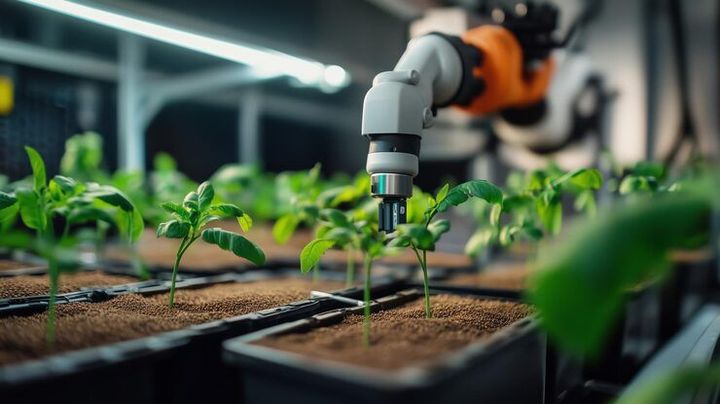
- Robotics in Harvesting: Automated machines pick fruits and vegetables with precision.
Comparison: Traditional vs Smart Agriculture Approaches
| Aspect | Traditional Farming | Smart Agriculture Systems |
|---|---|---|
| Decision Making | Based on experience | Data-driven |
| Resource Usage | Often excessive | Optimized and efficient |
| Monitoring | Manual observation | Real-time digital monitoring |
| Labor Requirement | High | Reduced through automation |
| Productivity | Variable | More consistent and improved |
Laws and Policies Affecting Smart Agriculture
Government policies play a key role in shaping the adoption of smart agriculture systems, especially in countries like India.
- Digital Agriculture Mission: Focuses on integrating digital technologies into agriculture.
- Pradhan Mantri Krishi Sinchai Yojana (PMKSY): Promotes efficient irrigation practices.
- Subsidy Programs for Farm Mechanization: Encourages adoption of modern equipment.
- Data Privacy Regulations: Govern how agricultural data is collected and used.
- Environmental Policies: Promote sustainable farming practices and limit harmful inputs.
Staying informed about these policies helps farmers and agribusinesses comply with regulations and access support programs.
Tools and Resources for Smart Agriculture Systems
A wide range of tools support data collection, analysis, and decision-making in smart agriculture.
Common Tools
- Farm Management Software: Tracks crops, inventory, and financial data
- Soil Sensors: Measure moisture, temperature, and nutrient levels
- Weather Forecasting Apps: Provide localized weather updates
- GPS-Based Equipment: Enables precision planting and harvesting
- Drone Mapping Tools: Offer aerial views for crop analysis
Useful Resource Categories
- Agricultural research websites
- Government agriculture portals
- Mobile apps for farm monitoring
- Online training platforms for precision farming
- Data analytics dashboards
Frequently Asked Questions (FAQs)
What is smart agriculture equipment?
Devices and machines using technology like sensors, GPS, and AI to improve farming efficiency and productivity.
How does smart agriculture improve crop yield?
Data guides decisions on irrigation, fertilization, and pest control, leading to better crop management and higher yields.
Is smart farming suitable for small farmers?
Yes, scalable solutions are available, including mobile-based tools and low-cost sensors.
What technologies are used in smart agriculture?
IoT, AI, drones, GPS, and cloud computing.
Are there challenges in adopting smart agriculture systems?
Yes, including initial investment, limited technical knowledge, and connectivity issues in rural areas.
Conclusion
Smart agriculture equipment systems represent a transformative approach to farming. By combining technology with traditional knowledge, they improve efficiency, sustainability, and productivity.
As global challenges such as climate change and population growth continue, adoption of these systems is likely to rise. Understanding tools, trends, and policies allows farmers and stakeholders to make informed decisions and improve long-term outcomes.
The future of agriculture is innovation-driven, and smart equipment systems lie at the heart of this transformation.