Industrial Generators Guide: Explore Reliable Power Systems for Modern Industries
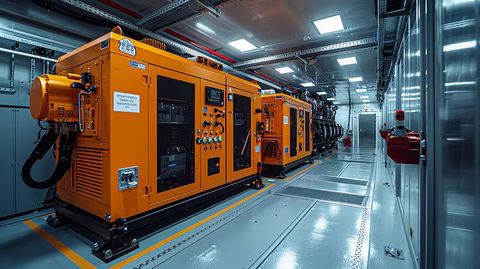
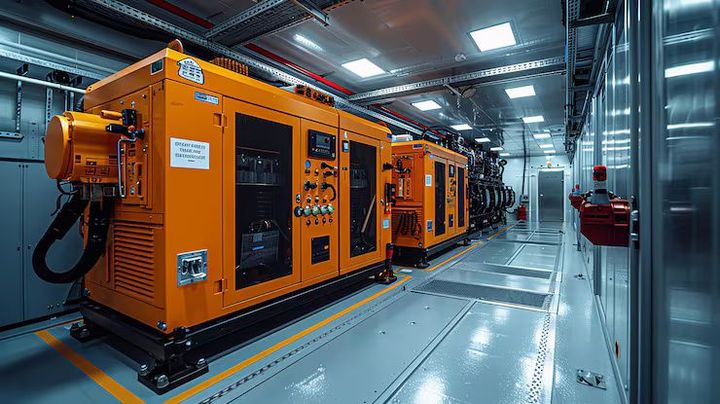
Industrial generators are large-scale power systems designed to produce electricity for factories, hospitals, construction projects, transportation hubs, and digital infrastructure.
These systems operate when access to the electrical grid is limited, unstable, or interrupted. Industrial generators can run on diesel, natural gas, or hybrid energy systems depending on the application and local infrastructure.
The development of industrial generators began alongside industrial expansion during the twentieth century. As manufacturing plants, mining operations, and transportation systems became more dependent on continuous electricity, backup power systems became an important part of daily operations. Today, industrial generator manufacturers design equipment for a wide range of environments, including urban facilities, remote construction areas, and climate-sensitive regions.
Modern diesel industrial generators are commonly used because diesel fuel is widely available and provides stable energy output for long operating periods. Standby industrial generators are also widely installed in facilities that cannot tolerate power interruptions, such as hospitals and industrial processing centers.
Industrial generators for construction sites are often portable or semi-mobile, allowing temporary power access in locations without grid connections. In contrast, an industrial generator for data centers is usually integrated into a permanent emergency power network with advanced monitoring systems.
The growing demand for digital infrastructure, transportation systems, and industrial automation has also increased interest in energy efficient industrial generators. Many newer systems now include fuel management software, lower-emission engines, and hybrid energy support.
Importance
Electricity disruptions can affect transportation, communication, healthcare, manufacturing, and digital systems. Industrial backup power generators help reduce operational interruptions during storms, equipment failures, or grid instability.
Industrial Facilities and Manufacturing
Factories and production plants depend on continuous electricity for automated equipment, safety systems, and storage environments. Even short outages may interrupt assembly lines or affect temperature-controlled processes. Industrial generators help maintain operational continuity during emergencies or scheduled maintenance periods.
Construction and Infrastructure Projects
Industrial generators for construction are commonly used in road projects, high-rise buildings, tunnels, and mining sites. These locations may not have direct access to the electrical grid during early construction phases. Generators power lighting systems, heavy machinery, water pumps, and communication devices.
Data Centers and Digital Infrastructure
An industrial generator for data centers supports servers, cloud storage systems, and digital communication networks. Data centers require stable electricity because outages can interrupt financial systems, healthcare records, and online communication platforms.
The following table shows common generator applications across industries:
| Industry or Location | Common Generator Type | Main Purpose |
|---|---|---|
| Manufacturing Plants | Standby industrial generators | Backup during outages |
| Construction Sites | Portable diesel industrial generators | Temporary site power |
| Data Centers | Industrial backup power generators | Continuous digital operations |
| Hospitals | Standby systems with automatic transfer | Emergency medical equipment |
| Mining Operations | Heavy-duty industrial generators | Remote power supply |
| Warehouses | Energy efficient industrial generators | Lighting and climate systems |
Emergency Preparedness
Extreme weather conditions, grid overloads, and aging infrastructure have increased attention on emergency power systems. Industrial generators support emergency preparedness plans for both private and public facilities.
In some regions, backup power systems also support water treatment plants, transportation networks, and telecommunications infrastructure during natural disasters or power shortages.
Recent Updates
Between 2024 and 2026, industrial generators have continued evolving to meet changing energy and environmental expectations. Manufacturers have focused on fuel efficiency, emissions control, and digital monitoring technologies.
Growth of Hybrid Generator Systems
Many industrial generator manufacturers now develop hybrid systems that combine diesel engines with battery storage or renewable energy inputs. These systems help reduce fuel consumption during periods of lower electricity demand.
Hybrid systems are increasingly used in remote industrial operations where fuel transportation may be difficult or weather conditions affect logistics.
Expansion of Smart Monitoring Technology
Digital monitoring systems are becoming more common in industrial backup power generators. Sensors and cloud-connected software can track:
- Fuel usage
- Engine temperature
- Maintenance intervals
- Electrical load levels
- Emission performance
These monitoring systems help operators identify mechanical issues before equipment failure occurs.
Increased Focus on Energy Efficiency
Energy efficient industrial generators have gained attention due to environmental regulations and rising fuel management concerns. Some newer systems include variable-speed engines that adjust performance based on electricity demand rather than operating continuously at full capacity.
Advanced cooling systems and improved combustion technologies have also helped reduce fuel waste in certain industrial environments.
Data Center Expansion
The expansion of artificial intelligence systems, cloud computing, and digital communication platforms has increased global demand for industrial generator solutions in data centers. Large facilities now commonly install multiple backup generators with redundant power networks to support uninterrupted operations.
Lower-Emission Engine Development
Many diesel industrial generators now use updated emission-control systems designed to reduce particulate matter and nitrogen oxide output. These technologies are especially important in urban industrial zones and regions with stricter environmental standards.
Laws or Policies
Industrial generators are regulated differently depending on the country, fuel type, and application. Most regulations focus on emissions, fuel storage, noise control, and workplace safety.
Emissions and Environmental Standards
Many governments require industrial generators to meet engine emission standards that limit pollutants such as nitrogen oxides and particulate matter. Environmental agencies may also regulate generator testing schedules and fuel quality requirements.
In some countries, large diesel industrial generators must include emissions-reduction technologies such as catalytic converters or particulate filters.
Noise Control Regulations
Industrial generators can produce high noise levels during operation. Local governments often establish noise limits for construction zones, urban facilities, and industrial districts.
Noise-reduction enclosures and acoustic barriers are commonly used to comply with local regulations.
Fuel Storage Requirements
Facilities using industrial backup power generators usually follow rules related to fuel tank installation, spill prevention, and fire protection. These policies help reduce environmental contamination and workplace hazards.
Fuel storage regulations may include:
- Secondary containment systems
- Emergency shutoff valves
- Inspection schedules
- Ventilation standards
Workplace Safety Standards
Industrial generator installations are often subject to electrical safety codes and occupational safety regulations. Safety requirements may include grounding systems, emergency controls, and operator training procedures.
Construction projects using industrial generators for construction may also follow temporary power regulations for outdoor worksites.
Energy Transition Policies
Some governments encourage the use of lower-emission generator technologies or hybrid systems as part of broader energy transition programs. These policies may support battery integration, renewable energy compatibility, or reduced fuel consumption targets.
Tools and Resources
Several digital tools and technical resources help organizations manage industrial generator systems more effectively.
Generator Load Calculators
Load calculators estimate the electrical capacity required for industrial equipment, lighting systems, and backup operations. These tools help determine the generator size needed for a facility.
Fuel Consumption Estimators
Fuel estimation tools calculate expected diesel usage based on operating hours and electrical demand. These calculators are commonly used in remote industrial projects and construction planning.
Remote Monitoring Platforms
Modern industrial generator manufacturers often integrate monitoring software into newer systems. These platforms may include:
- Real-time equipment alerts
- Performance dashboards
- Maintenance scheduling
- Fuel tracking
- Electrical load analysis
Environmental Compliance Resources
Government environmental agencies often publish technical guidance related to emissions standards, fuel handling, and generator permitting procedures.
Equipment Documentation Platforms
Digital manuals and maintenance databases help operators track inspection records, replacement components, and technical specifications for industrial generators.
FAQs
What are industrial generators used for?
Industrial generators provide electricity for factories, hospitals, construction projects, warehouses, mining operations, and data centers. They support operations during power outages or in locations without direct grid access.
How do standby industrial generators work?
Standby industrial generators automatically activate when a facility loses electrical power from the main grid. They are connected through transfer switches that detect outages and redirect electricity to essential systems.
Why are diesel industrial generators commonly used?
Diesel industrial generators are widely used because diesel engines can operate for long periods under heavy electrical loads. Diesel fuel is also commonly available in industrial and remote environments.
What makes energy efficient industrial generators different?
Energy efficient industrial generators often include technologies that reduce fuel consumption and improve engine performance. Examples include variable-speed engines, hybrid battery support, and digital monitoring systems.
Why does an industrial generator for data centers require backup systems?
Data centers rely on continuous electricity to support servers, cloud platforms, and communication networks. Industrial backup power generators help maintain operations during outages and reduce risks related to data interruption.
Conclusion
Industrial generators play an important role in supporting electricity needs across manufacturing, healthcare, transportation, construction, and digital infrastructure. Different systems are designed for temporary worksites, emergency backup operations, or long-term industrial use.
Recent developments have focused on fuel efficiency, emissions reduction, hybrid technology, and digital monitoring systems. Regulations related to safety, emissions, and fuel storage continue shaping how industrial generators are installed and operated.
As infrastructure demands continue evolving, industrial generators remain part of broader energy and emergency preparedness systems used in many sectors worldwide.