Industrial noise control systems are engineering solutions designed to reduce, manage, or isolate sound generated by machinery, equipment, and industrial processes. These systems help control excessive noise levels in workplaces such as factories, construction sites, manufacturing plants, and power facilities.
Noise is a natural byproduct of many industrial operations. Motors, compressors, turbines, cutting machines, and ventilation systems can produce continuous or intermittent sound at levels that may exceed safe thresholds. Without proper management, this noise can affect worker well-being, communication, and overall productivity.
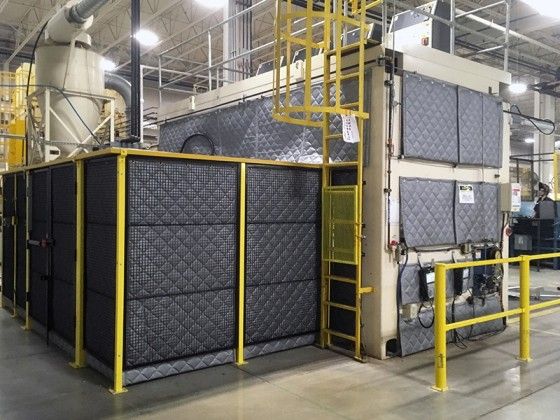
Industrial noise control systems exist to address these challenges by applying acoustic engineering techniques. These solutions may involve sound insulation, vibration isolation, acoustic enclosures, barriers, or sound-absorbing materials. The goal is to reduce noise exposure while maintaining operational efficiency and equipment performance.
Importance: Why Industrial Noise Control Matters Today
Noise control has become a major focus in modern industrial environments due to increased awareness of workplace safety and occupational health. Excessive noise exposure can lead to long-term hearing issues, fatigue, reduced concentration, and communication difficulties among workers.
Key reasons industrial noise control matters today include:
-
Worker health protection: Prolonged exposure to high noise levels can affect hearing and overall well-being
-
Improved workplace safety: Lower noise levels make it easier for workers to communicate warnings and instructions
-
Operational efficiency: Controlled sound environments reduce distraction and fatigue
-
Regulatory compliance: Many countries enforce strict limits on occupational noise exposure
-
Community impact reduction: Noise control prevents disturbances in nearby residential areas
Industries affected include manufacturing, mining, construction, power generation, transportation, and heavy engineering. In these sectors, noise control systems help solve problems related to excessive machine noise, environmental complaints, and regulatory compliance.
Recent Updates: Industry Trends and Developments (2024–2025)
Over the past year, industrial noise control technology has evolved with new approaches focused on precision monitoring and improved acoustic materials.
| Year | Development or Trend | Impact on Industry |
|---|---|---|
| 2024 | Adoption of smart noise monitoring systems | Improved real-time sound measurement |
| 2024 | Advanced acoustic insulation materials | Better absorption across wider frequency ranges |
| 2025 | Integration of vibration isolation designs | Reduced transmission of mechanical noise |
| 2025 | Improved modular acoustic enclosures | Easier installation around industrial machinery |
Recent research published in engineering safety journals during 2024 also highlighted new hybrid acoustic panels capable of combining sound absorption and structural vibration damping, improving overall noise reduction performance.
Laws and Policies Governing Industrial Noise Control
Industrial noise control systems are strongly influenced by occupational safety regulations and environmental noise standards.
Several regulatory frameworks guide acceptable noise exposure levels:
-
Occupational Safety and Health Administration (OSHA) standards in the United States define permissible exposure limits for workplace noise.
-
International Organization for Standardization (ISO) provides guidelines for acoustic measurement and sound level evaluation.
-
European workplace directives set exposure thresholds and require hearing conservation programs.
-
National labor and environmental authorities in many countries enforce limits on industrial sound emissions.
Common regulatory requirements include:
-
Monitoring workplace sound levels
-
Providing protective measures when noise exceeds safe thresholds
-
Implementing engineering controls before administrative solutions
-
Maintaining documentation of exposure assessments
These policies encourage industries to adopt effective noise control strategies as part of comprehensive workplace safety programs.
Engineering Methods Used in Industrial Noise Control
Industrial noise control systems rely on several engineering techniques to reduce sound levels.
Common engineering methods include:
-
Acoustic enclosures: Enclosing noisy equipment with sound-absorbing materials
-
Sound barriers: Installing panels or walls to block noise propagation
-
Vibration isolation: Preventing mechanical vibrations from transferring to surrounding structures
-
Acoustic absorption: Using materials that absorb sound waves instead of reflecting them
-
Silencers and mufflers: Reducing noise from exhaust systems and air flow
| Noise Control Method | Purpose | Typical Application |
|---|---|---|
| Acoustic enclosure | Isolate noisy machinery | Compressors, generators |
| Sound barrier | Block sound transmission | Factory partitions |
| Vibration isolation | Reduce structural vibration | Heavy machinery |
| Silencers | Lower air or gas noise | Ventilation systems |
| Absorptive panels | Reduce echo and reflection | Production halls |
These methods are often combined to achieve effective noise reduction.
Tools and Resources for Noise Control Management
Understanding and managing industrial noise requires technical tools and reliable reference materials.
Helpful tools include:
-
Sound level meters for measuring noise intensity
-
Acoustic modeling calculators for predicting sound propagation
-
Vibration monitoring instruments
-
Noise exposure assessment templates
-
Workplace acoustic evaluation checklists
Learning and reference resources:
-
Occupational safety training manuals
-
Industrial acoustics textbooks
-
Government workplace safety guidelines
-
Engineering journals on acoustic technology
-
Environmental noise management publications
These resources help engineers, safety professionals, and facility managers design effective noise control strategies.
Frequently Asked Questions
What is the primary purpose of industrial noise control systems?
Their purpose is to reduce excessive noise in industrial environments to protect worker health and maintain safe working conditions.
How is industrial noise measured?
Noise levels are typically measured using sound level meters that record sound pressure levels in decibels (dB).
What industries require noise control systems most?
Manufacturing, mining, construction, power plants, and transportation industries commonly require noise management solutions.
Can noise control improve productivity?
Yes. Lower noise levels help workers concentrate better and communicate more effectively.
Are engineering controls better than protective equipment?
Engineering controls address noise at the source, making them more effective for long-term noise reduction.
Conclusion
Industrial noise control systems play a vital role in maintaining safe and productive workplaces. By applying acoustic engineering principles, these systems reduce noise levels generated by machinery and industrial processes. Effective noise control protects worker health, supports regulatory compliance, and minimizes environmental impact.
As industries continue to modernize, noise management will remain an essential part of workplace design and safety planning. Advances in acoustic materials, monitoring technologies, and engineering methods will further improve the ability of organizations to create quieter and safer industrial environments.