Industrial Noise Control Systems Guide for Efficient Factory Sound Management
Industrial noise control systems are technologies and engineering solutions designed to reduce excessive sound levels in manufacturing plants, production facilities, and industrial environments. These systems exist because modern factories often operate heavy machinery, automated production lines, ventilation systems, compressors, and high-speed equipment that generate significant noise.
In many industrial settings, noise levels can exceed safe hearing thresholds. Prolonged exposure to loud sound can affect worker well-being, equipment monitoring, and overall workplace efficiency. To address this challenge, industries use noise reduction technologies that manage, isolate, or absorb sound produced during operations .
Industrial noise control focuses on three main principles:
- Reducing noise at the source
- Blocking sound during transmission
- Protecting people in the surrounding environment
Common components of factory noise management include acoustic enclosures, vibration isolation systems, sound barriers, mufflers, and sound-absorbing materials .
Typical Industrial Noise Sources
Below is a simplified table showing typical noise sources in manufacturing environments:
| Industrial Equipment | Typical Noise Level (dB) | Example Industry |
|---|---|---|
| Air compressors | 90–105 dB | Manufacturing |
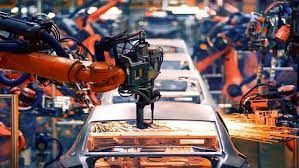
| Metal stamping machines | 95–110 dB | Automotive |
| Industrial generators | 85–100 dB | Energy |
| Conveyor systems | 80–95 dB | Warehousing |
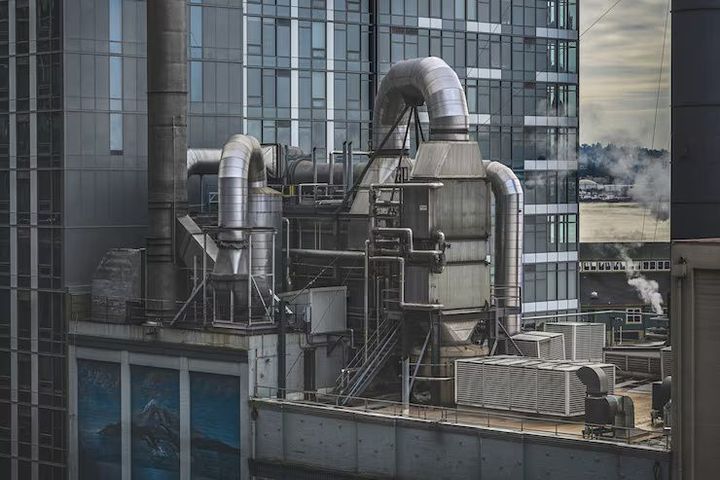
| Cooling and ventilation systems | 70–90 dB | Processing plants |
Modern industrial noise control systems integrate acoustic engineering, digital monitoring, and workplace safety practices to maintain manageable sound levels .
Why Industrial Noise Control Matters in Modern Factories
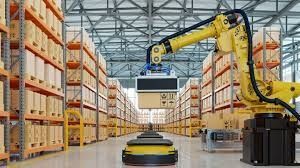
Workplace noise management has become an essential aspect of industrial operations. As factories adopt high-speed automation, robotics, and large-scale machinery, sound levels in production environments have increased .
Worker Health and Safety
Long-term exposure to loud noise can contribute to hearing damage and fatigue. Many workplace safety guidelines state that noise exposure above 85 decibels over extended periods requires monitoring and control measures .
Operational Efficiency
Clear communication between workers is essential in manufacturing facilities. High noise levels can interfere with communication, alarms, and machine monitoring signals.
Regulatory Compliance
Manufacturing companies must follow occupational safety standards related to workplace noise exposure. Failure to manage noise levels can result in regulatory penalties or operational restrictions.
Community Environmental Impact
Factories located near residential areas must also consider environmental noise pollution. Sound barriers and acoustic insulation help reduce industrial sound transmission beyond facility boundaries.
Industries that commonly implement industrial noise control systems include:
- Automotive manufacturing
- Metal fabrication
- Chemical processing plants
- Energy production facilities
- Electronics manufacturing plants
- Food processing industries
The increasing complexity of smart manufacturing environments has also created a need for real-time noise monitoring technologies .
Recent Updates in Industrial Noise Management
The past year has brought several developments in industrial noise reduction technologies and workplace safety standards.
Integration of Smart Acoustic Monitoring (2025)
Many factories have begun implementing digital sound monitoring systems connected to Industrial Internet of Things (IIoT) platforms. These systems track real-time sound levels across factory zones and alert operators when thresholds are exceeded .
Growth of Acoustic Simulation Software
Engineering teams now use advanced simulation software to model sound behavior inside factories before installing equipment. This approach helps reduce noise issues during facility design.
Adoption of Eco-Friendly Acoustic Materials
New acoustic panels and sound-absorbing materials introduced in 2024–2025 use recycled fibers and sustainable composites. These materials support both sound absorption and environmental sustainability goals.
Automation and Robotics Impact
As robotic systems and automated machinery increase, engineers are redesigning factory layouts. Dedicated acoustic zones are being created to separate noisy machinery from worker areas.
Noise Reduction Strategies
| Strategy | Example Implementation | Effectiveness |
|---|---|---|
| Source control | Low-noise machinery design | High |
| Transmission control | Acoustic barriers and panels | Moderate to High |
| Receiver protection | Personal hearing protection | Moderate |
| Structural isolation | Vibration damping mounts | High |
These developments reflect broader industry efforts to improve workplace safety and environmental compliance .
Regulations and Policies Affecting Industrial Noise
Industrial noise control systems are closely connected to workplace safety regulations and environmental protection policies. Different countries maintain specific standards for occupational noise exposure .
Occupational Noise Exposure Limits
Many regulations recommend limiting worker exposure to:
- 85 dB over an 8-hour work period
- Higher sound levels for shorter durations
These limits are designed to prevent long-term hearing damage.
Workplace Safety Regulations
Organizations must often perform noise risk assessments and install sound mitigation measures. They may also need to provide protective equipment when necessary.
Examples of regulatory frameworks include:
- Occupational safety and health standards
- Environmental noise pollution regulations
- Industrial facility zoning rules
Environmental Noise Control
Factories near residential areas may face restrictions related to nighttime noise levels or zoning requirements. Some governments also promote quieter manufacturing through environmental initiatives and smart factory programs.
Compliance helps protect workers while supporting responsible industrial development .
Helpful Tools and Resources for Industrial Noise Management
Various digital tools and engineering resources help companies measure, analyze, and manage industrial noise levels.
Common Tools
- Sound level monitoring devices for measuring decibel levels
- Acoustic modeling software for designing sound-efficient layouts
- Noise mapping tools to visualize sound distribution
- Industrial IoT dashboards for continuous monitoring and alerts
Engineering Resources
Acoustic engineers often use templates for:
- Equipment enclosures
- Sound barriers
- Vibration isolation structures
Noise Management Tools Overview
| Tool Type | Purpose | Application |
|---|---|---|
| Sound level meters | Measure decibel levels | Workplace safety monitoring |
| Acoustic simulation software | Predict sound behavior | Facility design planning |
| Noise mapping tools | Visualize noise zones | Factory layout analysis |
| IIoT monitoring platforms | Continuous sound tracking | Smart manufacturing |
These resources help organizations maintain consistent noise management practices .
Frequently Asked Questions About Industrial Noise Control Systems
What is an industrial noise control system?
An industrial noise control system refers to engineering methods and technologies used to reduce sound levels produced by machinery and industrial processes.
Why is noise control important in factories?
Noise control helps protect worker hearing, improve communication, ensure compliance, and reduce environmental noise pollution.
What are common sources of industrial noise?
Typical sources include:
- Compressors
- Generators
- Metal stamping machines
- Ventilation systems
- Conveyor belts
- Heavy mechanical equipment
How is industrial noise measured?
Noise levels are measured using sound level meters that calculate sound intensity in decibels (dB). Monitoring may occur at different factory locations.
What methods are used to reduce industrial noise?
Common methods include:
- Acoustic barriers
- Equipment enclosures
- Vibration isolation mounts
- Sound-absorbing materials
- Optimized machine placement
Key Insights on Factory Sound Management
Industrial noise management often follows a hierarchy of control strategies.
| Level of Control | Description |
|---|---|
| Engineering control | Modify machines or structures to reduce noise |
| Administrative control | Adjust work schedules to limit exposure |
| Personal protection | Use hearing protection devices |
Engineering solutions are generally the most effective because they reduce noise directly at the source. Smart manufacturing technologies have also improved monitoring through continuous tracking and automated alerts .
Conclusion
Industrial noise control systems play a vital role in maintaining safe and efficient manufacturing environments. As factories adopt advanced machinery and automation, managing sound levels has become essential for workplace safety and environmental responsibility .
Recent developments such as acoustic simulation tools, digital monitoring platforms, and sustainable materials are improving how industries manage noise. These innovations help reduce risks while supporting compliance and operational efficiency.
By understanding noise sources, applying engineering controls, and following regulations, industrial facilities can maintain balanced sound environments. Effective noise management will continue to be a key part of modern factory design and safety practices.