Industrial Packaging Machines Guide for Automation Efficiency and System Understanding
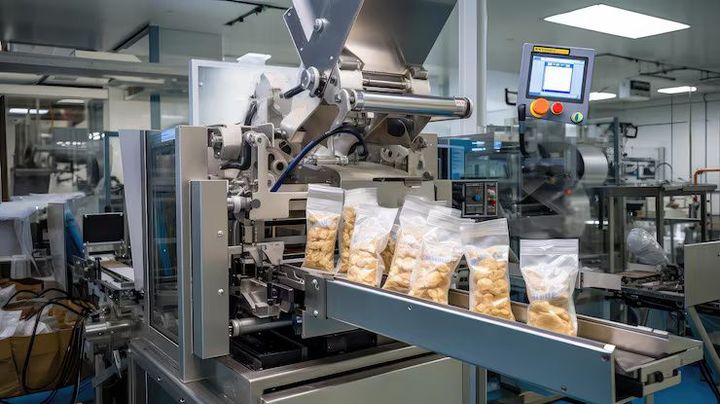
Industrial packaging machines are automated or semi-automated systems used to pack products into containers, boxes, or wrapping materials. These machines are essential in manufacturing industries such as food processing, pharmaceuticals, consumer goods, and electronics. They exist to improve efficiency, ensure consistency, and maintain product safety during packaging.
The need for industrial packaging machines has grown alongside global production demands. As industries scale operations, manual packaging becomes inefficient and prone to errors. Automated packaging solutions help streamline processes, reduce human intervention, and maintain standardized output quality.
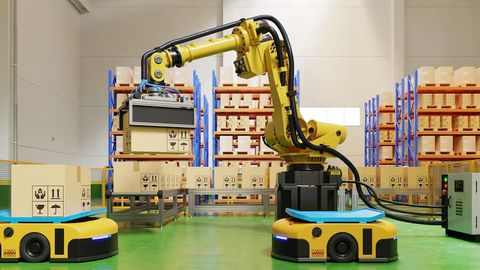
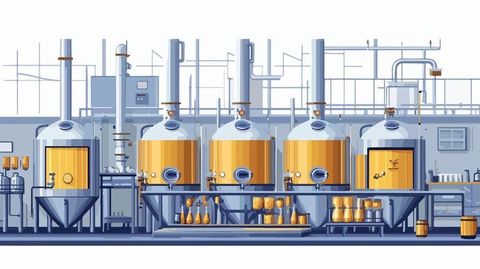
These machines include various types such as filling machines, sealing machines, labeling systems, wrapping units, and palletizers. Each type is designed for a specific function within a packaging line, creating a complete system that ensures products are safely prepared for distribution.
Why Industrial Packaging Machines Matter Today
Industrial packaging machines play a crucial role in modern manufacturing. Their importance has increased due to rising production volumes, stricter safety standards, and growing consumer expectations.
Key Benefits
- Efficiency Improvement: Automation significantly reduces packaging time and increases output.
- Consistency and Accuracy: Machines ensure uniform packaging, reducing errors and defects.
- Hygiene and Safety: Essential for industries like food and pharmaceuticals where contamination must be avoided.
- Labor Optimization: Reduces reliance on manual labor while improving operational productivity.
- Scalability: Supports large-scale production without compromising quality.
These machines affect a wide range of industries and stakeholders, including manufacturers, logistics providers, and end consumers. They help solve problems such as product damage, inefficient workflows, and inconsistent packaging quality.
Recent Updates and Industry Trends (2025–2026)
The industrial packaging sector has seen several technological advancements and trends over the past year.
Key Trends
- Automation and Smart Systems (2025): Smart packaging machines integrated with sensors and IoT technology allow real-time monitoring, predictive maintenance, and data-driven decision-making.
- Sustainable Packaging Integration (2025–2026): Machines are being designed to handle biodegradable and recyclable packaging materials efficiently.
- AI and Machine Learning (2026): Artificial intelligence optimizes packaging processes, detects defects, and adapts to different packaging requirements with minimal manual input.
- Flexible Packaging Solutions (Late 2025): Machines can handle multiple product types and sizes without extensive reconfiguration.
- Energy Efficiency Improvements (2026): Newer machines consume less energy, aligning with global sustainability goals.
Technology Adoption Table
| Technology Trend | Year | Impact on Packaging |
|---|---|---|
| Automation & Smart Systems | 2025 | Real-time monitoring, predictive maintenance |
| Sustainable Packaging | 2025–2026 | Handles biodegradable/recyclable materials |
| AI & Machine Learning | 2026 | Optimizes processes, defect detection |
| Flexible Packaging Solutions | Late 2025 | Multi-product handling without reconfiguration |
| Energy Efficiency Improvements | 2026 | Reduced energy consumption |
Laws, Regulations, and Policies
Industrial packaging machines are influenced by various regulations, especially in countries like India and globally.
Safety Standards
- Machines must comply with safety guidelines to protect workers from hazards.
- Standards often include emergency stop systems, protective guards, and safe operation protocols.
Food and Pharmaceutical Regulations
- Packaging machines in these sectors must meet hygiene and contamination control standards.
- Compliance with Good Manufacturing Practices (GMP) is essential.
Environmental Policies
- Governments encourage the use of recyclable and biodegradable packaging materials.
- Machines must adapt to eco-friendly materials without compromising efficiency.
Indian Regulations
- The Bureau of Indian Standards (BIS) provides guidelines for machinery safety and performance.
- Environmental regulations promote reduced plastic usage and sustainable packaging solutions.
Global Compliance
- International standards such as ISO certifications influence machine design and operation.
- Export-oriented industries must ensure machines meet global compliance requirements.
Tools and Resources for Industrial Packaging Machines
Various tools and resources help professionals understand, operate, and optimize packaging machines.
Software and Digital Tools
- Packaging design software for creating efficient layouts
- Automation control systems (PLC-based interfaces)
- Predictive maintenance tools using data analytics
Online Platforms and Resources
- Industry websites providing technical documentation and case studies
- Government portals offering compliance guidelines
- Educational platforms with courses on industrial automation
Templates and Calculators
- Packaging efficiency calculators
- Material usage estimation tools
- Production planning templates
Common Machine Types and Functions
| Machine Type | Function | Industry Usage |
|---|---|---|
| Filling Machines | Fill liquids or powders | Food, Pharma |
| Sealing Machines | Seal packages securely | Consumer Goods |
| Labeling Machines | Apply product labels | All industries |
| Wrapping Machines | Wrap products in protective film | Electronics, Retail |
| Palletizers | Stack products for shipping | Logistics, Manufacturing |
Performance Comparison (Conceptual Overview)
| Feature | Manual Packaging | Semi-Automated | Fully Automated |
|---|---|---|---|
| Speed | Low | Medium | High |
| Accuracy | Variable | Consistent | Highly Accurate |
| Labor Requirement | High | Moderate | Low |
| Scalability | Limited | Moderate | High |
| Operational Efficiency | Low | Medium | High |
Frequently Asked Questions
What are industrial packaging machines used for?
They are used to pack products efficiently and safely for storage, transportation, and sale across various industries.
What industries use these machines the most?
Common industries include food processing, pharmaceuticals, manufacturing, electronics, and consumer goods.
Are industrial packaging machines fully automated?
They can be manual, semi-automated, or fully automated depending on the production requirements.
How do these machines improve efficiency?
They reduce manual effort, increase speed, ensure consistency, and minimize packaging errors.
What factors should be considered when selecting a machine?
Key factors include production volume, type of product, packaging material, and compliance requirements.
Conclusion
Industrial packaging machines are a vital component of modern manufacturing systems. They enable efficient, consistent, and safe packaging processes that meet the demands of large-scale production.
With advancements in automation, artificial intelligence, and sustainability, these machines continue to evolve and adapt to changing industry needs. Understanding their role, importance, and regulatory environment helps businesses and professionals make informed decisions.
As industries move toward smarter and greener solutions, industrial packaging machines will remain central to achieving operational excellence and sustainable growth.