Industrial Plant Equipment Guide for Systems Efficiency and Safety Insights
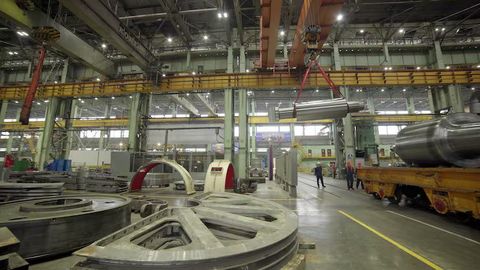
Industrial plant equipment refers to the machines, systems, and tools used in manufacturing, processing, and production facilities. These include pumps, compressors, conveyors, boilers, turbines, and control systems that work together to transform raw materials into finished products. The concept exists to improve productivity, ensure consistent quality, and support large-scale industrial operations across sectors like energy, chemicals, food processing, and construction.
Modern industrial environments rely heavily on integrated systems where mechanical, electrical, and digital components function together. Equipment is designed not only for performance but also for durability, safety, and energy efficiency.
As industries expand and evolve, the need for reliable and advanced plant equipment continues to grow, making it a foundational element of industrial development.
Importance of Industrial Plant Equipment in Modern Industries
Industrial plant equipment plays a critical role in supporting economic growth and operational efficiency. It affects industries ranging from small manufacturing units to large-scale infrastructure projects. Proper selection and maintenance reduce downtime, improve safety, and optimize resources.
Key Reasons It Matters Today
- Operational Efficiency: Advanced machinery ensures faster production with minimal errors
- Workplace Safety: Proper equipment reduces risks and protects workers
- Energy Optimization: Modern systems minimize energy consumption
- Automation Integration: Equipment supports digital monitoring and smart controls
- Environmental Impact: Efficient systems help reduce emissions and waste
Industries and Equipment Examples
| Industry Sector | Common Equipment Used | Key Benefit |
|---|---|---|
| Manufacturing | CNC machines, conveyors | Precision and speed |
| Oil & Gas | Pumps, compressors | Resource extraction efficiency |
| Power Generation | Turbines, boilers | Reliable energy production |
| Food Processing | Mixers, packaging systems | Hygiene and consistency |
| Construction | Cranes, loaders | Material handling |
Recent Updates and Trends in Industrial Plant Equipment
Over 2025–2026, several technological advancements are shaping industrial equipment. These trends reflect the growing influence of automation, smart systems, and sustainability goals.
Key Trends
- Smart Equipment Adoption (2025): IoT-enabled machines allow real-time monitoring and predictive maintenance
- AI-Based Diagnostics (2025–2026): AI detects faults early and optimizes performance
- Energy-Efficient Designs (2025): New equipment reduces energy consumption and emissions
- Digital Twin Technology (2026): Virtual replicas simulate performance to improve decision-making
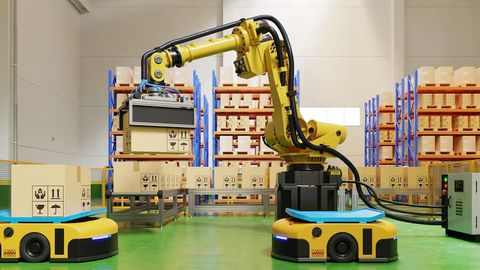
- Automation Expansion (2025): Robotics and automated systems replace manual processes
These trends indicate a shift toward smarter, safer, and more sustainable industrial operations.
Laws and Policies Affecting Industrial Plant Equipment
Industrial plant equipment is regulated by national and international standards to ensure safety, environmental protection, and operational reliability. In India, several policies influence design, installation, and maintenance.
Key Regulatory Areas
- Safety Standards: Ensure industrial safety and prevent accidents
- Environmental Regulations: Control emissions and waste management
- Energy Efficiency Policies: Encourage the use of energy-efficient machinery
- Inspection and Certification: Verify equipment meets compliance standards
Examples of Regulatory Frameworks
| Policy Area | Purpose |
|---|---|
| Industrial Safety | Prevent workplace hazards |
| Environmental Laws | Control pollution and emissions |
| Energy Regulations | Promote efficient energy use |
| Equipment Certification | Ensure quality and compliance |
These frameworks maintain safety, sustainability, and consistency across industrial operations.
Tools and Resources for Industrial Plant Equipment
Digital tools and resources assist engineers, operators, and managers in handling industrial equipment effectively. They support design, monitoring, maintenance, and optimization.
Common Tools and Platforms
- CAD Software: Design equipment layouts and components
- SCADA Systems: Monitor plant operations in real time
- Predictive Maintenance Tools: Use analytics to forecast failures
- Energy Calculators: Estimate consumption and efficiency improvements
- Maintenance Management Systems (CMMS): Track maintenance schedules and performance
Example Comparison of Tools
| Tool Type | Function | Benefit |
|---|---|---|
| CAD Software | Design and modeling | Accurate planning |
| SCADA Systems | Real-time monitoring | Improved control |
| CMMS | Maintenance tracking | Reduced downtime |
| Energy Tools | Efficiency analysis | Lower energy usage |
These resources help industries maintain high performance while reducing operational risks.
Frequently Asked Questions About Industrial Plant Equipment
What is industrial plant equipment used for?
It performs manufacturing, processing, and production tasks in industrial facilities, ensuring efficiency and consistency.
How is industrial equipment maintained?
Maintenance includes inspections, lubrication, part replacement, and predictive monitoring using digital tools.
What is the role of automation in plant equipment?
Automation improves accuracy, reduces manual effort, and allows real-time monitoring and control of industrial processes.
Why is energy efficiency important in industrial equipment?
Energy-efficient equipment reduces operational costs, lowers environmental impact, and supports sustainability goals.
What are common safety measures for plant equipment?
Safety measures include protective guards, emergency shutdown systems, regular inspections, and operator training.
Conclusion
Industrial plant equipment forms the backbone of modern industry, enabling large-scale production and efficient operations. From basic mechanical tools to advanced automated systems, these components are essential for productivity, safety, and sustainability.
Recent advancements in smart technology, digital twins, and AI-based diagnostics are driving more intelligent and environmentally responsible equipment solutions. Understanding the fundamentals, importance, and evolving trends of industrial plant equipment helps industries make informed decisions, achieve efficiency, and ensure long-term reliability.