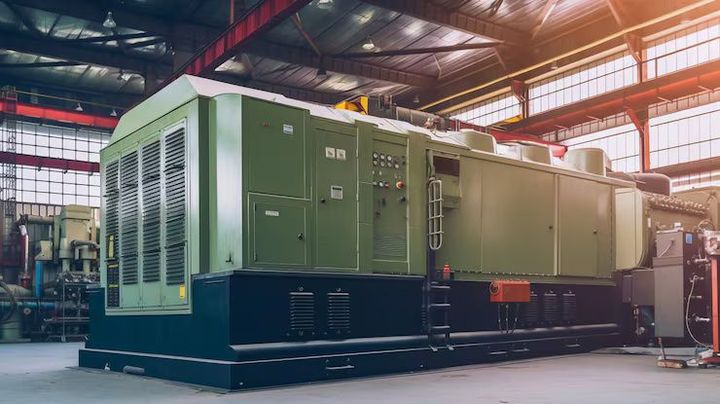
Industrial Power Generators Types, Uses and Working Guide
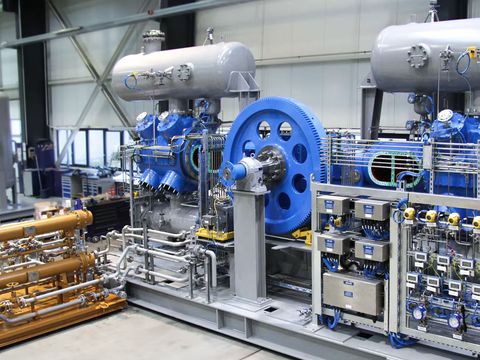
Industrial power generators are machines designed to produce electrical energy for industrial facilities, commercial operations, infrastructure projects, and critical services. They play an important role in maintaining power supply when the electrical grid becomes unavailable or when a location requires independent electricity generation.
The concept of power generation dates back to the development of electrical systems in the late nineteenth century. As industries expanded and became more dependent on machinery, the need for reliable electricity grew significantly. Industrial generators emerged as a practical solution to support manufacturing plants, mining sites, construction projects, transportation networks, hospitals, and data-intensive operations.
Unlike small residential generators, industrial generators are built to deliver large amounts of electricity over extended periods. They can operate continuously or serve as emergency backup systems during power outages. Their design focuses on durability, efficiency, and the ability to handle heavy electrical loads.
At their core, industrial generators convert mechanical energy into electrical energy. This process is achieved through an engine, which powers an alternator. The alternator then generates electricity through electromagnetic induction, providing power to connected equipment and systems.
Why Industrial Power Generators Matter Today
Reliable electricity is essential for modern industries. Even short interruptions in power can affect productivity, damage equipment, disrupt communication systems, and create safety concerns. Industrial generators help reduce these risks by providing a dependable source of electricity when needed.
Several sectors depend heavily on industrial power generators, including:
- Manufacturing facilities
- Construction projects
- Mining operations
- Healthcare institutions
- Telecommunications infrastructure
- Transportation systems
- Agricultural processing plants
- Data centers and digital infrastructure
The importance of generators has increased due to growing energy demands and the expansion of digital technologies. Many industrial processes now rely on continuous operation, making power reliability more critical than ever.
Industrial generators help solve several common challenges:
- Protection against unexpected power interruptions
- Support for operations in remote locations
- Continuity during grid maintenance
- Emergency preparedness during natural disasters
- Stability for critical equipment and systems
The increasing frequency of extreme weather events has also highlighted the value of backup power systems. Organizations often include generators as part of broader resilience and risk-management strategies.
Major Types of Industrial Power Generators
Industrial generators are available in several forms, each designed for specific operational requirements.
| Generator Type | Primary Fuel Source | Common Applications |
|---|---|---|
| Diesel Generator | Diesel Fuel | Manufacturing, mining, construction |
| Natural Gas Generator | Natural Gas | Industrial facilities, utilities |
| Bi-Fuel Generator | Diesel and Gas | Large-scale operations |
| Portable Industrial Generator | Various Fuels | Temporary project sites |
| Standby Generator | Multiple Fuel Types | Emergency backup systems |
| Continuous Power Generator | Multiple Fuel Types | Long-duration operations |
Diesel Generators
Diesel generators remain among the most widely used industrial power solutions. They are known for reliability, durability, and strong performance under heavy loads. Many industries use diesel generators as backup power systems for critical operations.
Natural Gas Generators
Natural gas generators have gained attention due to their lower emissions compared to traditional diesel systems. They are commonly installed where natural gas infrastructure is available.
Bi-Fuel Generators
Bi-fuel generators combine diesel and natural gas to improve fuel flexibility. These systems can optimize fuel consumption while maintaining reliable power output.
Portable Industrial Generators
Portable industrial generators are designed for temporary applications. Construction projects and remote work sites frequently use these units.
Standby Generators
Standby generators activate automatically when utility power fails. They are often installed at facilities where uninterrupted power is essential.
How Industrial Power Generators Work
The operation of an industrial generator involves several interconnected components working together.
| Component | Function |
| Engine | Produces mechanical energy |
| Alternator | Converts mechanical energy into electricity |
| Fuel System | Supplies fuel to the engine |
| Voltage Regulator | Controls output voltage |
| Cooling System | Prevents overheating |
| Control Panel | Monitors and manages operations |
| Battery System | Starts the generator |
The basic operating process follows these steps:
- Fuel enters the engine.
- The engine burns the fuel to create mechanical energy.
- Mechanical energy rotates the alternator.
- The alternator generates electrical current.
- The voltage regulator stabilizes electrical output.
- Electricity is delivered to connected systems.
The efficiency and performance of a generator depend on proper maintenance, fuel quality, load management, and operating conditions.
Recent Developments and Industry Trends
The industrial power generation sector has experienced several notable developments over the past year.
Expansion of Smart Monitoring Technologies
During 2025 and early 2026, advanced monitoring systems became increasingly common in industrial generators. These systems allow operators to track performance metrics, maintenance schedules, fuel consumption, and operational efficiency through digital platforms.
Improved Fuel Efficiency
Manufacturers have focused on developing engines that consume less fuel while maintaining consistent power output. Enhanced combustion technologies and control systems have contributed to these improvements.
Growth of Hybrid Power Solutions
Industrial facilities are increasingly exploring hybrid power systems that combine generators with renewable energy sources. These configurations help improve energy flexibility and resilience.
Stronger Emissions Focus
Environmental considerations continue to influence generator design. Many new industrial generators incorporate technologies aimed at reducing emissions and improving overall efficiency.
Increased Infrastructure Investments
Governments and private organizations across various regions have invested in energy infrastructure projects during 2025 and 2026. This trend has increased demand for reliable temporary and backup power systems.
Laws and Policies Affecting Industrial Power Generators
Industrial generators operate within regulatory frameworks designed to ensure safety, environmental protection, and operational reliability.
Environmental Regulations
Many countries enforce emission standards that govern pollutants released by generator engines. These regulations encourage cleaner technologies and improved fuel efficiency.
Noise Control Requirements
Industrial generators must often comply with local noise regulations, particularly in urban or densely populated areas. Sound attenuation measures may be required depending on installation conditions.
Workplace Safety Standards
Safety regulations typically cover generator installation, operation, maintenance procedures, and fuel storage practices. Compliance helps reduce risks to workers and surrounding communities.
Electrical Standards
Industrial generators must meet electrical performance and safety requirements established by national and regional authorities. These standards help ensure compatibility and reliability.
Energy Resilience Programs
Some governments have introduced programs that support critical infrastructure resilience. Backup power planning often forms part of broader emergency preparedness frameworks.
Organizations should always review applicable local regulations because requirements can vary significantly between countries and regions.
Helpful Tools and Resources
Several tools and educational resources can help individuals and organizations better understand industrial power generation.
Load Calculation Tools
These calculators estimate electrical demand and help determine suitable generator capacity requirements.
Fuel Consumption Estimators
Fuel estimation tools provide insights into expected consumption under different operating conditions.
Maintenance Planning Templates
Maintenance schedules help track inspections, servicing intervals, and component replacements.
Power Requirement Worksheets
Power assessment worksheets assist in identifying critical loads and backup power needs.
Technical Training Materials
Educational resources explain generator operation, safety procedures, troubleshooting methods, and maintenance practices.
Energy Management Platforms
Monitoring platforms provide performance data, operational analytics, and reporting capabilities for industrial power systems.
Frequently Asked Questions
What is the primary purpose of an industrial power generator?
An industrial power generator produces electricity for industrial operations, either as a backup source during outages or as a primary source in locations without reliable grid access.
Which fuel type is commonly used in industrial generators?
Diesel remains one of the most commonly used fuels because of its reliability and ability to support heavy-duty applications. Natural gas and bi-fuel systems are also widely used.
How long can an industrial generator operate continuously?
Operating duration depends on generator design, fuel availability, maintenance conditions, and load requirements. Many industrial generators are designed for extended operation when properly maintained.
Are industrial generators environmentally regulated?
Yes. Many countries have environmental regulations that address emissions, fuel use, and noise levels associated with generator operation.
What factors determine generator size?
Generator sizing depends on total electrical load, equipment requirements, starting currents, operational duration, and future expansion needs.
Conclusion
Industrial power generators remain an essential part of modern infrastructure and industrial operations. They provide dependable electricity for critical facilities, support business continuity, and help maintain productivity during power disruptions. As technology continues to advance, generators are becoming more efficient, smarter, and better aligned with environmental objectives.