Palm Oil Production Guide to Processing Equipment and Efficient Manufacturing Workflows
Palm oil production is a major agricultural and industrial activity that connects plantation management, fruit harvesting, transportation, processing, refining, storage, and distribution.
Because fresh fruit bunches can deteriorate quickly after harvesting, efficient handling and well-organized processing workflows are essential for maintaining oil quality and reducing material losses.
Modern palm oil processing combines mechanical separation, controlled heating, clarification, purification, and quality management. The exact configuration of a Palm Oil Processing Plant depends on factors such as processing capacity, fruit characteristics, available utilities, environmental requirements, and the desired final products.
This guide explains the fundamentals of palm oil production, how processing workflows operate, the role of Palm Oil Processing Equipment, and the technologies that support efficient and responsible manufacturing operations.
What Is Palm Oil Production?
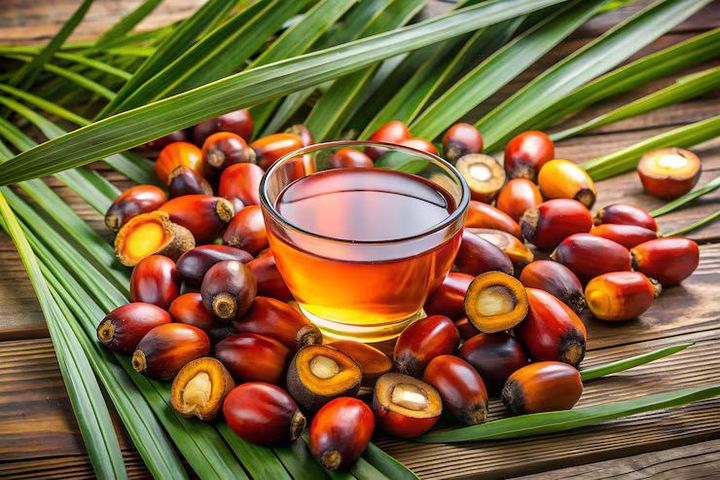
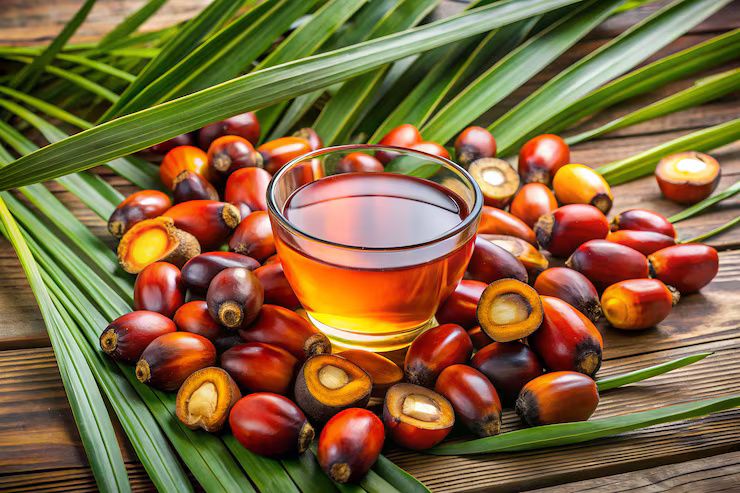
Palm oil production is the process of converting harvested oil palm fruit into crude palm oil and other valuable products. The process begins with fresh fruit bunches, which contain individual fruits rich in oil.
After harvesting, the fruit bunches are transported to a processing facility. There, the fruit undergoes several stages designed to separate the oil from the fruit while removing unwanted materials.
The main stages generally include:
- Fruit reception
- Sterilization
- Threshing
- Digestion
- Oil extraction
- Clarification
- Purification
- Storage
The process may also recover palm kernels, which can be processed separately to produce palm kernel products.
Why Efficient Palm Oil Processing Matters
Fresh palm fruit requires timely processing because delays can affect oil quality and increase the formation of undesirable compounds. Efficient workflows help maintain consistent processing conditions from fruit reception through oil storage.
An organized Palm Oil Processing Plant aims to achieve several objectives:
- Maintain raw material quality
- Improve oil recovery
- Reduce processing losses
- Support consistent product quality
- Manage energy and water use
- Improve workplace safety
- Handle by-products responsibly
Efficiency therefore depends not only on individual machines but also on how the entire processing system is designed and coordinated.
How the Palm Oil Processing Workflow Works
Although plant layouts vary, a typical Palm Oil Processing workflow follows a logical sequence.
1. Fruit Reception and Inspection
Fresh fruit bunches arrive at the processing facility and are weighed, inspected, and directed toward processing.
The condition of incoming fruit can influence processing performance and final oil quality. Proper handling at this stage helps maintain an efficient production flow.
2. Sterilization
Sterilization uses controlled heat and pressure to treat the fruit bunches.
This stage helps loosen the fruit from the bunches and supports subsequent processing steps. It also helps reduce enzymatic activity that can affect oil quality.
3. Threshing
After sterilization, the fruit bunches enter a threshing system.
The objective is to separate individual palm fruits from the empty fruit bunches. The separated fruit continues through the main oil extraction process, while empty bunches may be managed as biomass or returned to agricultural applications where appropriate.
4. Digestion
The separated fruits are mechanically softened and mixed during digestion.
This process breaks down the fruit structure and prepares the material for efficient oil extraction.
5. Oil Extraction
The digested fruit is pressed using specialized extraction equipment.
The resulting mixture contains oil along with water, fiber, and other solids. Further separation is therefore required to obtain clarified crude palm oil.
6. Clarification and Purification
Clarification separates oil from water and suspended solids.
Modern Palm Oil Processing Equipment may use settling systems, centrifuges, and other separation technologies to improve the quality of recovered oil.
The clarified oil is then further purified and dried before entering storage.
Key Palm Oil Processing Equipment
A modern facility relies on interconnected equipment designed to support each processing stage.
| Equipment | Main Function | Processing Stage |
|---|---|---|
| Sterilizer | Applies controlled heat and pressure | Fruit preparation |
| Thresher | Separates fruit from bunches | Threshing |
| Digester | Softens and conditions fruit | Digestion |
| Screw Press | Extracts oil from processed fruit | Oil extraction |
| Clarifier | Separates oil from water and solids | Clarification |
| Centrifuge | Supports liquid separation | Purification |
| Vacuum Dryer | Reduces moisture in oil | Oil finishing |
| Storage Tank | Holds processed oil | Storage |
Each component contributes to overall process efficiency, and the performance of one stage can affect subsequent operations.
Understanding Palm Oil Processing Machines
The term Palm Oil Processing Machine can refer to individual equipment units or specialized machinery used within a larger processing line.
The appropriate equipment configuration depends on factors such as:
- Processing capacity
- Fruit characteristics
- Automation requirements
- Available utilities
- Plant layout
- Maintenance capabilities
- Environmental considerations
A well-designed system aims to maintain a smooth flow of materials while minimizing unnecessary handling and processing interruptions.
The Role of Palm Oil Production Equipment
Palm Oil Production Equipment extends beyond the core extraction machinery.
A complete processing operation may include:
- Fruit reception systems
- Material handling equipment
- Steam generation systems
- Water treatment systems
- Power generation equipment
- Oil storage tanks
- Waste management systems
- Laboratory testing equipment
- Control and monitoring systems
This broader infrastructure supports the operation of the processing line and helps maintain consistent production conditions.
Automation in Palm Oil Processing Plants
Automation is increasingly used to improve process monitoring and operational consistency.
Modern systems may monitor:
- Temperature
- Pressure
- Flow rates
- Moisture levels
- Oil clarification
- Equipment performance
- Storage conditions
Digital control systems can provide operators with real-time information about production conditions. This can help identify irregularities earlier and support more consistent operation.
Automation may also reduce the need for repetitive manual tasks while improving traceability and process documentation.
Improving Manufacturing Workflow Efficiency
Efficient palm oil processing depends on the coordination of multiple activities rather than focusing on a single machine.
Several strategies can support better workflow management.
Reduce Unnecessary Material Movement
Plant layouts should allow materials to move logically from one processing stage to the next. Efficient layouts can reduce handling requirements and minimize delays.
Maintain Equipment Regularly
Preventive maintenance helps keep critical equipment operating reliably. Regular inspections can identify wear before it affects production.
Monitor Process Conditions
Continuous monitoring of temperature, pressure, flow, and moisture helps operators maintain stable processing conditions.
Manage Energy Consumption
Steam and electricity are important resources in palm oil processing. Efficient boilers, motors, pumps, and heat recovery systems can support better resource management.
Control Water Use
Water plays an important role in several processing stages. Monitoring water consumption and improving recycling or treatment systems can support more responsible operations.
By-Products and Environmental Management
Palm oil processing generates several by-products, including empty fruit bunches, fiber, shells, and palm kernel materials.
Some by-products can be used as biomass fuel or returned to agricultural systems where suitable. Wastewater from processing also requires appropriate treatment before discharge or reuse.
Modern processing facilities increasingly focus on:
- Waste reduction
- Biomass utilization
- Wastewater treatment
- Energy recovery
- Emissions management
- Resource efficiency
Responsible by-product management can improve overall environmental performance while supporting more efficient use of agricultural resources.
Quality Control in Palm Oil Production
Quality control begins with raw material handling and continues through final storage.
Important quality considerations include:
- Moisture content
- Free fatty acid levels
- Impurities
- Oxidation
- Storage temperature
- Processing time
Laboratory testing and process monitoring help identify variations and maintain consistent product characteristics.
Proper storage conditions are also important because exposure to moisture, excessive heat, or contamination can affect oil quality.
Common Challenges in Palm Oil Processing
Processing facilities may face several operational challenges.
Raw Material Variability
Fruit quality can vary depending on maturity, harvesting conditions, transportation time, and seasonal factors.
Equipment Wear
Continuous mechanical operation can lead to wear in presses, conveyors, pumps, and other machinery.
Energy Requirements
Heating, sterilization, and other operations require careful energy management.
Process Coordination
Delays at one stage can affect the entire workflow, making coordination essential.
Environmental Management
Wastewater, biomass, and emissions require appropriate management systems to support responsible operations.
Future Trends in Palm Oil Processing
The palm oil industry is increasingly adopting technologies that improve efficiency, monitoring, and resource management.
Future developments may include:
- Advanced automation
- Artificial intelligence-assisted process monitoring
- Predictive maintenance
- IoT-based equipment sensors
- Digital production records
- Improved energy recovery
- More efficient water treatment
- Enhanced traceability systems
These technologies can help processing plants make better use of operational data and identify potential issues before they disrupt production.
Frequently Asked Questions
What is palm oil production?
Palm oil production is the process of harvesting oil palm fruit and processing it through mechanical and thermal stages to recover crude palm oil and related products.
What is the purpose of a Palm Oil Processing Plant?
A Palm Oil Processing Plant receives harvested fruit and processes it through sterilization, threshing, digestion, extraction, clarification, purification, and storage.
What equipment is used in Palm Oil Processing?
Common Palm Oil Processing Equipment includes sterilizers, threshers, digesters, screw presses, clarification systems, centrifuges, dryers, conveyors, and storage tanks.
Why is timely fruit processing important?
Fresh fruit quality can decline after harvesting. Timely processing helps maintain oil quality and supports efficient recovery.
How can palm oil processing become more efficient?
Efficiency can be improved through better plant layouts, preventive maintenance, process monitoring, automation, energy management, water conservation, and responsible by-product handling.
Conclusion
Palm oil production is a complex process that depends on efficient coordination between agricultural raw materials, processing machinery, utilities, quality control, and storage systems. From fruit reception and sterilization to oil extraction, clarification, and final storage, every stage contributes to the performance of the overall operation.
Modern Palm Oil Processing Equipment and Palm Oil Production Equipment increasingly incorporate automation, digital monitoring, and predictive maintenance to improve consistency and resource efficiency. At the same time, responsible management of wastewater, biomass, and other by-products remains an important part of modern processing practices.
By understanding the complete Palm Oil Processing workflow, manufacturers, engineers, and industry learners can better appreciate how well-integrated equipment and carefully managed processes contribute to efficient, reliable, and more responsible palm oil manufacturing operations.