Industrial Pressure Systems Explained: Types, Components, Working Principles, Safety Standards
Industrial pressure systems are engineered networks that contain, control, transport, or process liquids and gases at pressures different from atmospheric pressure. They are found in factories, power plants, refineries, food processing facilities, pharmaceutical manufacturing, water treatment plants, and many other industrial environments.
Pressure systems exist because many industrial processes require liquids, gases, or steam to move efficiently while maintaining consistent pressure levels. Without these systems, production would become slower, less efficient, and potentially unsafe.
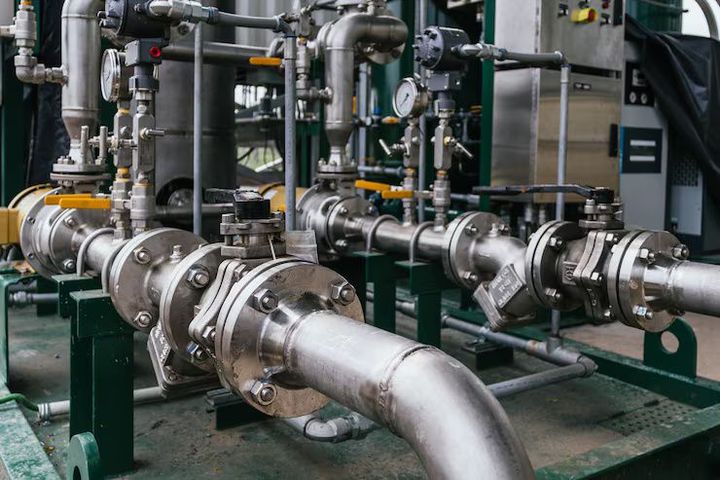
A typical pressure system includes pressure vessels, pipelines, pumps, compressors, valves, gauges, regulators, safety devices, and monitoring equipment. Together, these components help maintain stable operations while protecting equipment and workers.
Modern industrial pressure systems are designed to maximize efficiency, reduce energy waste, improve process control, and maintain workplace safety.
Why Industrial Pressure Systems Matter
Industrial pressure systems play a major role in today's manufacturing and infrastructure sectors. Nearly every industrial process depends on controlled pressure for transporting materials, producing energy, or supporting automated production.
Their importance can be understood through several key benefits:
- Improve production efficiency
- Maintain consistent product quality
- Reduce equipment downtime
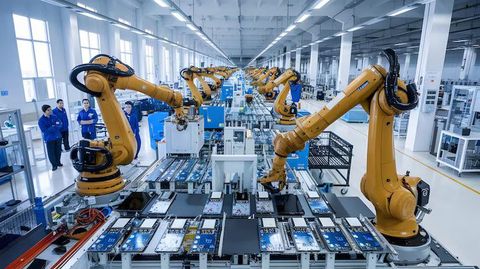
- Support automation and smart manufacturing
- Increase workplace safety
- Help manage energy consumption
- Enable accurate process control
Industries That Depend on Pressure Systems
| Industry | Common Application |
|---|---|
| Manufacturing | Hydraulic equipment and production lines |
| Food Processing | Steam generation and sanitation |
| Chemical Processing | Fluid transfer and reaction control |
| Pharmaceutical | Sterile processing systems |
| Oil and Gas | Pipeline pressure management |
| Power Generation | Steam boilers and turbines |
| Water Treatment | Pumping and filtration systems |
| Mining | Compressed air systems |
These systems also contribute to environmental management by reducing leaks, improving resource utilization, and supporting efficient industrial operations.
Types of Industrial Pressure Systems
Industrial pressure systems vary depending on the application.
Hydraulic Pressure Systems
These systems use liquids to transmit force and power machinery with high precision.
Common uses include:
- Industrial presses
- Heavy equipment
- Manufacturing machinery
- Material handling systems
Pneumatic Pressure Systems
Pneumatic systems use compressed air or gas.
They are commonly used for:
- Packaging equipment
- Automation systems
- Assembly lines
- Robotic machinery
Steam Pressure Systems
Steam systems generate thermal energy for industrial processes.
Typical applications include:
- Food production
- Textile manufacturing
- Chemical processing
- Power generation
Gas Pressure Systems
These systems safely transport industrial gases through controlled pipelines and pressure vessels.
Applications include:
- Industrial heating
- Gas storage
- Welding operations
- Laboratory environments
Main Components of Industrial Pressure Systems
Every industrial pressure system contains several essential components.
| Component | Purpose |
| Pressure Vessel | Stores fluids or gases under pressure |
| Pump or Compressor | Generates pressure |
| Pipes | Transport fluids safely |
| Control Valves | Regulate flow and pressure |
| Pressure Gauges | Display operating pressure |
| Pressure Regulators | Maintain consistent pressure |
| Relief Valves | Prevent excessive pressure |
| Filters | Remove contaminants |
| Sensors | Monitor system performance |
| Control Panels | Manage system operations |
Each component works together to maintain safe, reliable, and efficient operation.
Working Principles of Industrial Pressure Systems
Industrial pressure systems operate using basic engineering principles that control pressure, flow rate, and fluid movement.
The process generally follows these steps:
- A pump or compressor creates pressure.
- Fluids or gases move through pipelines.
- Valves regulate the direction and flow.
- Pressure regulators maintain stable operating conditions.
- Sensors continuously monitor system performance.
- Safety devices activate if pressure exceeds safe operating limits.
Simplified Pressure Flow
Pump/Compressor
        ↓
 Pressure Generation
        ↓
 Pipelines
        ↓
 Control Valves
        ↓
 Equipment
        ↓
 Monitoring Sensors
        ↓
 Safety Devices
This controlled sequence helps industrial facilities operate efficiently while minimizing operational risks.
Recent Updates in Industrial Pressure Systems
Industrial pressure technology has continued to evolve throughout 2025 and early 2026. Several important trends are shaping modern industrial operations.
Smart Monitoring
Many facilities are integrating digital pressure sensors that continuously monitor equipment performance and detect abnormalities before failures occur.
Predictive Maintenance
Artificial intelligence and machine learning are increasingly being used to analyze pressure data, helping maintenance teams identify potential issues before equipment breakdowns occur.
Energy Efficiency
Manufacturers are adopting energy-efficient pumps, compressors, and pressure control systems to reduce electricity consumption and support sustainability goals.
Industrial Automation
Automation continues to expand across industrial facilities, allowing pressure systems to operate with greater accuracy, remote monitoring capabilities, and improved process control.
Digital Documentation
More organizations are replacing paper-based inspection records with digital maintenance systems that improve compliance tracking and equipment management.
Safety Standards and Regulatory Frameworks
Industrial pressure systems operate under strict engineering regulations intended to protect workers, equipment, and the environment.
Although regulations differ by country, common requirements generally include:
- Regular pressure inspections
- Certified equipment testing
- Pressure vessel design verification
- Routine maintenance schedules
- Safety valve testing
- Operator training
- Emergency shutdown procedures
- Accurate maintenance documentation
Many countries also require compliance with recognized engineering codes covering pressure vessel design, piping systems, welding procedures, and operational safety.
Organizations are encouraged to perform periodic risk assessments and preventive maintenance to ensure long-term system reliability.
Helpful Tools and Resources
Various technical resources assist engineers, maintenance teams, and industrial managers in understanding and managing pressure systems.
Useful resources include:
- Pressure calculation tools
- Pipe sizing calculators
- Flow rate calculators
- Engineering design templates
- Preventive maintenance checklists
- Risk assessment templates
- Safety inspection forms
- Equipment maintenance logs
- Engineering standards documentation
- Industrial training materials
These resources support accurate planning, maintenance, and safe operation throughout the equipment lifecycle.
Best Practices for Safe Operation
Organizations can improve pressure system reliability by following practical operational practices.
Recommended approaches include:
- Perform regular inspections.
- Monitor operating pressure continuously.
- Replace worn seals and valves promptly.
- Keep pipelines clean and free from obstructions.
- Calibrate pressure gauges periodically.
- Test safety relief valves according to maintenance schedules.
- Maintain detailed inspection records.
- Train operators on emergency procedures.
- Investigate unusual pressure fluctuations immediately.
- Follow documented maintenance procedures.
Consistent preventive maintenance helps reduce unexpected downtime and improves long-term equipment performance.
Frequently Asked Questions
What is an industrial pressure system?
An industrial pressure system is a collection of equipment designed to safely contain, transport, or process liquids, gases, or steam under controlled pressure for industrial operations.
Which industries use industrial pressure systems?
They are commonly used in manufacturing, power generation, chemical processing, pharmaceuticals, food processing, mining, water treatment, and energy production.
Why are pressure relief valves important?
Pressure relief valves automatically release excess pressure when it exceeds safe operating limits, helping prevent equipment damage and improving workplace safety.
How often should industrial pressure systems be inspected?
Inspection schedules vary depending on equipment type, operating conditions, and local regulations. Routine inspections and preventive maintenance are generally recommended throughout the equipment's operational life.
What are the benefits of smart pressure monitoring?
Smart monitoring improves operational visibility, supports predictive maintenance, detects pressure abnormalities early, enhances efficiency, and contributes to safer industrial operations.
Conclusion
Industrial pressure systems remain one of the most important foundations of modern industrial infrastructure. From manufacturing and energy production to food processing and pharmaceuticals, these systems enable safe and efficient movement of liquids, gases, and steam across countless industrial processes.