Industrial shredders are powerful machines designed to reduce the size of materials for easier disposal, recycling, or further processing. Unlike household shredders that handle paper, industrial shredders are capable of breaking down a wide range of materials such as metals, plastics, rubber, textiles, wood, and even electronics.
The need for shredders arose from the growing volumes of industrial and municipal waste in the 20th century. As industries expanded, so did the demand for machines that could efficiently process large amounts of waste material. Shredders became a key technology in waste management and recycling systems, allowing materials to be reduced in size and sorted for reuse or safe disposal.
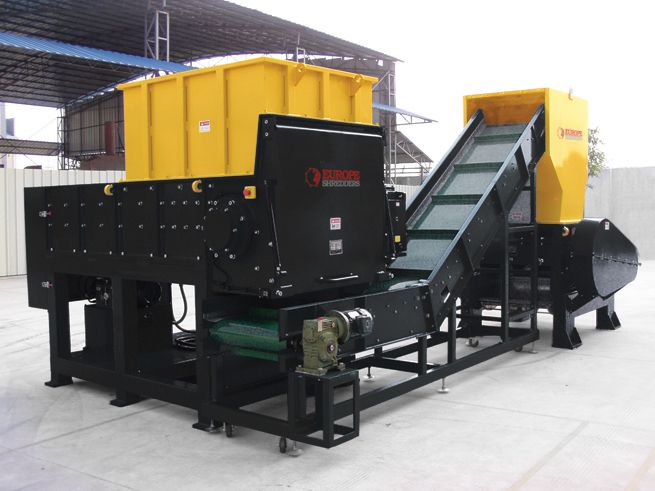
Today, shredders are an essential part of industries including manufacturing, construction, recycling, healthcare, and even agriculture. Their purpose is simple: break down large, bulky, or hazardous materials into manageable pieces.
Importance
Industrial shredders matter for several reasons:
-
Waste reduction: They decrease the volume of waste, making transportation and disposal more efficient.
-
Recycling support: Many industries rely on shredders to prepare materials for recycling, such as shredding metal scraps or plastic bottles.
-
Data and product security: In sectors like finance or healthcare, shredders help destroy confidential documents, expired products, or defective goods.
-
Environmental impact: By enabling recycling, shredders reduce the amount of waste that ends up in landfills.
-
Operational efficiency: Businesses can save costs by reusing shredded materials, such as wood chips for fuel or shredded rubber for playground surfaces.
Who Benefits?
-
Manufacturers: Recycle defective parts and manage scrap materials.
-
Municipalities: Handle waste from households and industries more effectively.
-
Recyclers: Process plastics, metals, and e-waste for reuse.
-
Healthcare facilities: Safely dispose of medical waste like syringes and expired medicines.
-
Construction companies: Reuse or dispose of construction and demolition debris.
The problems shredders solve are not just industrial but environmental and social. Without shredders, waste management systems would be slower, more costly, and less sustainable.
Recent Updates
Industrial shredders have not remained static; they continue to evolve with new technology and regulations. Some recent trends include:
-
Automation and AI integration (2024–2025): Shredders now come with sensors and smart controls that adjust speed and pressure depending on the material. This reduces energy use and improves safety.
-
Growth in e-waste shredding (2024): According to the Global E-Waste Statistics Partnership, e-waste grew by 5% worldwide in 2023. More shredders are being adapted to handle electronics such as circuit boards, smartphones, and batteries.
-
Sustainability focus (2023–2024): Governments and industries are investing in shredding technology that minimizes dust, noise, and energy consumption. For example, energy-efficient shredders have become more common in the EU recycling sector.
-
Recycling goals (2024): Several countries set higher recycling targets in 2024, pushing demand for industrial shredders in municipal waste management.
These developments show that shredders are no longer just mechanical cutters but part of smart, sustainable, and regulated recycling systems.
Laws or Policies
Shredders operate within a legal and policy framework that varies across countries. Some relevant areas include:
-
Waste Management Rules: Most countries, including the U.S. (Resource Conservation and Recovery Act) and India (Solid Waste Management Rules, 2016), regulate how waste must be handled. Shredders often play a role in meeting these requirements.
-
E-Waste Regulations: In the EU, the Waste Electrical and Electronic Equipment (WEEE) Directive requires proper recycling of electronics, making shredders vital for compliance.
-
Data Protection Laws: For industries that handle sensitive information, shredding is often required to comply with laws like the General Data Protection Regulation (GDPR) in Europe or HIPAA in the U.S. healthcare sector.
-
Environmental Standards: Agencies such as the U.S. Environmental Protection Agency (EPA) set emissions and noise limits that manufacturers must follow when designing shredders.
Example Table: Regulations by Region
| Region | Key Law/Policy | Impact on Shredders |
|---|---|---|
| United States | Resource Conservation and Recovery Act | Encourages shredding for proper waste disposal |
| European Union | WEEE Directive, GDPR | Requires shredders for e-waste and data security |
| India | Solid Waste Management Rules (2016) | Shredding helps municipalities meet waste rules |
| Japan | Recycling Law (2001) | Shredders support mandatory recycling targets |
Tools and Resources
Several tools and resources support industries and organizations in using shredders effectively:
-
Material Flow Calculators – Online calculators that help estimate how much waste can be processed by shredders.
-
Safety Guidelines – Agencies like OSHA (Occupational Safety and Health Administration) publish safety standards for operating shredders.
-
Recycling Databases – Websites such as Earth911 (U.S.) or Global Recycling Database provide information on where shredded materials can be sent.
-
Industry Associations – Groups like ISRI (Institute of Scrap Recycling Industries) offer resources, training, and compliance guides.
-
Mobile Apps – Waste tracking apps allow organizations to monitor shredded waste quantities and recycling rates.
Types of Industrial Shredders
Industrial shredders come in several types, each designed for specific materials and purposes:
-
Single-shaft shredders: Ideal for plastic, wood, and paper.
-
Dual-shaft shredders: Handle tougher materials like metals and tires.
-
Four-shaft shredders: Provide finer output size, often used in recycling plants.
-
Granulators: Reduce materials into very small particles for reuse in manufacturing.
-
Hammer mills: Crush and pulverize hard materials such as glass and concrete.
FAQs
What materials can industrial shredders process?
Industrial shredders can handle a wide variety of materials, including metals, plastics, wood, paper, rubber, textiles, glass, and electronics. Specialized shredders are designed for specific materials.
Are industrial shredders environmentally friendly?
Yes, shredders contribute to environmental sustainability by enabling recycling and reducing landfill use. However, they also consume energy, so newer models focus on efficiency and low emissions.
Do shredders require special training to operate?
Yes, operators should follow safety protocols and training guidelines. Agencies like OSHA provide safety standards to minimize risks.
What is the difference between a shredder and a crusher?
Shredders cut or tear materials into smaller pieces, while crushers typically use pressure to break down materials into smaller fragments. Both are used in waste management but for different purposes.
How are shredders maintained?
Maintenance includes regular inspection of blades, lubrication of moving parts, cleaning, and checking for wear and tear. Following manufacturer guidelines ensures longer machine life.