Industrial systems plants are organized facilities where materials, energy, and information are transformed into finished or semi-finished products. These plants exist to support large-scale production processes that cannot be efficiently handled through small or manual operations.
An industrial plant typically combines physical infrastructure, machinery, control systems, and human oversight. Examples include manufacturing plants, power generation facilities, chemical processing units, and water treatment plants. Each plant is designed around a specific function, but all share a common goal: to convert inputs into usable outputs in a controlled and repeatable way.
The concept of industrial systems plants developed alongside industrialization, when societies needed consistent production of goods, energy, and materials. Over time, plants became more complex, integrating mechanical systems with electrical, digital, and automated controls. Understanding their structure helps explain how modern industries operate at scale.
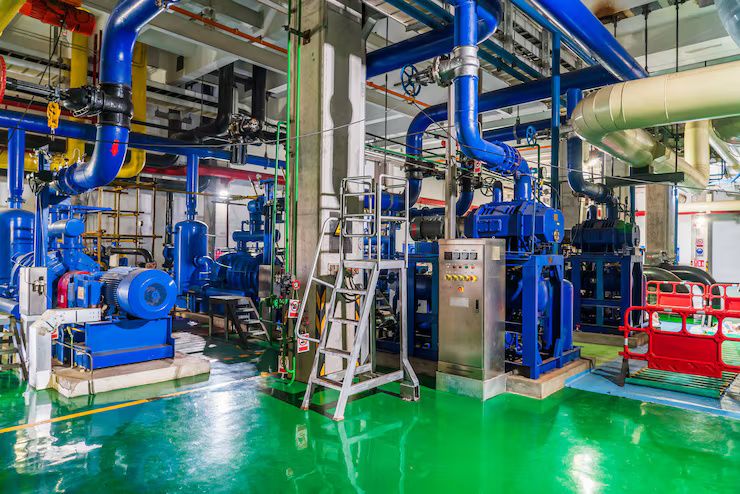
Importance: Why Industrial Systems Plants Matter Today
Industrial systems plants remain essential to modern life. They support supply chains, infrastructure, and everyday products used by communities worldwide. From electricity generation to food processing, these plants form the backbone of industrial economies.
This topic matters to:
-
Engineers and technical professionals
-
Students studying industrial or systems engineering
-
Policy planners and regulators
-
Communities connected to industrial infrastructure
Key challenges that industrial systems plants help address include:
-
Large-scale production efficiency
-
Consistent quality control
-
Safe handling of energy and materials
-
Coordination of complex processes
Modern plants are designed to operate continuously or semi-continuously, often 24 hours a day. Their structure must support reliability, safety, and adaptability. As demand patterns change and technology evolves, plants also need to integrate upgrades without disrupting operations.
Understanding how these systems function provides insight into how industries manage complexity and scale.
Recent Updates: Developments in the Past Year
Over the past year, industrial systems plants have continued to evolve in response to technological and environmental pressures.
Key developments since 2024 include:
-
Increased automation integration: In 2024, many plants expanded the use of automated monitoring and control systems to improve process consistency.
-
Digital twin adoption: Late 2024 saw wider use of digital plant models to simulate operations and maintenance scenarios.
-
Energy efficiency initiatives: Early 2025 updates focused on reducing energy losses through optimized process design.
-
Predictive maintenance tools: Sensors and data analytics introduced in 2025 improved early detection of equipment issues.
-
Sustainability reporting: Plants increasingly aligned operational data with environmental reporting frameworks during 2024–2025.
These updates reflect a shift toward data-driven plant management rather than purely reactive maintenance and control.
Laws and Policies: Regulatory Frameworks Affecting Industrial Plants
Industrial systems plants operate under laws and policies designed to ensure safety, environmental protection, and operational accountability. Regulations vary by country but often follow similar principles.
International standards from the International Organization for Standardization influence plant design, documentation, and quality management. These standards help align processes across industries and regions.
In the United States, workplace safety and operational practices are guided by the Occupational Safety and Health Administration. Environmental controls are often overseen by national or regional environmental authorities.
Common regulatory focus areas include:
-
Worker safety and hazard control
-
Environmental emissions and waste handling
-
Equipment inspection and maintenance records
-
Emergency response and risk management
These policies shape how plants are structured, operated, and monitored throughout their lifecycle.
Tools and Resources: Understanding and Managing Industrial Systems Plants
A wide range of tools and resources support the planning, operation, and analysis of industrial systems plants. These tools help manage complexity and maintain consistent performance.
Useful resource categories include:
-
Process flow diagrams illustrating material and energy movement
-
Plant layout schematics for spatial planning
-
Control system dashboards for real-time monitoring
-
Maintenance planning templates for equipment upkeep
The table below outlines common plant components and their functions:
| Plant Component | Primary Function |
|---|---|
| Input handling systems | Receive and prepare raw materials |
| Processing units | Transform inputs into outputs |
| Control systems | Monitor and regulate operations |
| Utility systems | Supply power, water, and compressed air |
| Output handling | Store or transfer finished products |
These resources help operators and planners understand how different plant elements interact.
Structure: How Industrial Systems Plants Are Organized
The structure of an industrial systems plant refers to how physical and functional elements are arranged. This structure is designed to support efficient material flow, safety, and ease of maintenance.
Key structural aspects include:
-
Zoning of plant areas based on process stages
-
Clear separation of utilities and production zones
-
Access routes for personnel and equipment
-
Centralized or distributed control rooms
Plant structure often reflects the type of process involved. Continuous process plants, such as chemical facilities, differ structurally from discrete manufacturing plants that assemble individual products.
A well-planned structure reduces bottlenecks, improves visibility, and supports safe operation.
Function: How Industrial Systems Plants Operate
The function of an industrial systems plant describes how it converts inputs into outputs through coordinated processes. This involves mechanical actions, chemical reactions, energy transfer, and information flow.
Core functional elements include:
-
Material transformation through physical or chemical processes
-
Energy management to power equipment and systems
-
Information flow via sensors and control logic
-
Human oversight for decision-making and intervention
Control systems play a central role in plant function. Sensors collect data, controllers analyze conditions, and actuators adjust operations. This feedback loop allows plants to maintain stability even as conditions change.
FAQs: Common Questions About Industrial Systems Plants
What defines an industrial systems plant?
It is a facility designed to transform materials or energy through coordinated processes.
Are all industrial plants fully automated?
No. Automation levels vary, and many plants combine automated systems with human oversight.
Why is plant structure important?
Structure affects safety, efficiency, maintenance access, and process flow.
How do regulations influence plant design?
Regulations define safety, environmental, and documentation requirements that shape plant layout and operation.
Do industrial plants change over time?
Yes. Plants are often modified or upgraded to meet new demands or technologies.
Conclusion
Industrial systems plants are complex facilities that support large-scale production and infrastructure needs. Their structure determines how components are arranged, while their function describes how inputs are transformed into outputs.
Recent developments show a clear trend toward automation, digital monitoring, and energy efficiency. At the same time, laws and policies continue to guide safe and responsible operation.
By understanding the structure and function of industrial systems plants, readers gain a clearer view of how modern industries manage complexity, scale, and reliability in essential production environments.