Informative Suggestions for Understanding the Evolution of Video Marketing
Video marketing refers to the use of video content to share messages, information, or ideas with audiences. It began as a traditional advertising method on television but has transformed into a digital-first medium that influences nearly every aspect of online communication.
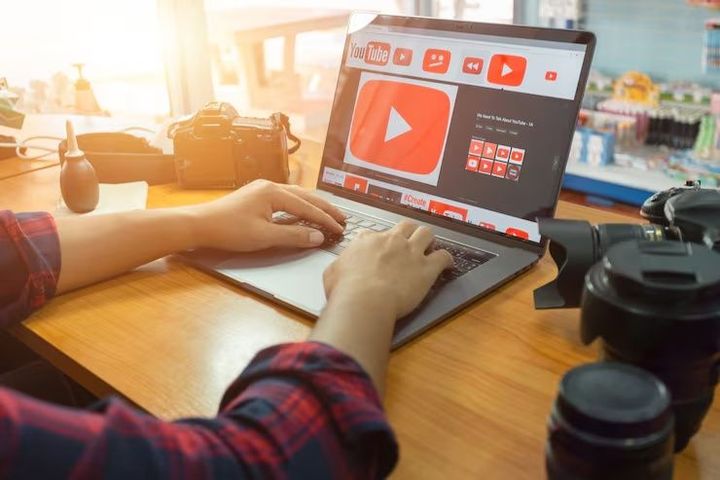
Video marketing gained popularity in the early 2000s with the rise of broadband internet and platforms like YouTube. Over time, it has evolved into a powerful communication method used by businesses, educators, and creators.
Today, video marketing includes a wide range of formats such as explainer videos, tutorials, social media clips, and live streams. It is no longer limited to advertising but also supports education, awareness, and storytelling.
Importance of Video Marketing
Video marketing has become essential in the digital age as people increasingly consume visual content. It enhances communication and engagement across multiple platforms.
Why It Matters Today
- Higher Engagement: Captures attention more effectively than text
- Better Understanding: Simplifies complex information through visuals
- Global Reach: Platforms enable worldwide accessibility
- Emotional Connection: Builds trust and relatability
- Versatility: Useful for education, communication, and awareness
It plays a key role in how individuals and organizations share ideas and connect with audiences globally.
Recent Trends in Video Marketing (2024–2025)
Video marketing continues to evolve with advancements in technology and changing user behavior. These trends highlight innovation and increased accessibility.
Key Trends and Impact
| Trend | Description | Impact |
|---|---|---|
| AI-Assisted Creation | Automates editing and script generation | Speeds up production |
| Short-Form Video | Growth of reels and short clips | Increases engagement |
| Interactive Content | Includes polls, links, and viewer participation | Enhances user experience |
| Sustainability Focus | Eco-friendly production practices | Reduces environmental impact |
| Educational Use | Expansion in training and online learning | Improves accessibility |
Regulations and Policies in Video Marketing
Video marketing is influenced by various digital regulations that ensure ethical and responsible content creation. These policies protect both creators and audiences.
Key Regulatory Areas
- Data protection and privacy laws
- Advertising disclosure requirements
- Copyright and intellectual property protection
- Accessibility standards for inclusive content
- Platform-specific content guidelines
These regulations help maintain transparency, fairness, and user safety in digital communication.
Tools and Resources for Video Marketing
Various tools support the creation, editing, and analysis of video content. These resources make video marketing more accessible and effective.
Popular Tools
| Tool Category | Function | Example Tools |
|---|---|---|
| Video Editing | Create and edit video content | Canva, Adobe Premiere Pro |
| Analytics Tools | Track engagement and audience behavior | Google Analytics, TubeBuddy |
| AI Video Creators | Convert text into video content | Lumen5 |
| Video Platforms | Build and share videos | Animoto, InVideo |
| Learning Platforms | Provide training and courses | HubSpot Academy, Google Garage |
Additional Resources
- Online tutorials and educational courses
- Content planning templates
- Audience analytics dashboards
- Social media scheduling tools
FAQs About Video Marketing
What does video marketing include?
It includes any video-based content such as tutorials, interviews, educational clips, and storytelling used to communicate messages effectively.
How has technology improved video marketing?
Advancements in AI, video quality, and analytics have made content creation faster and more measurable.
Is video marketing only for social media?
No, it is also used in education, corporate training, and internal communication.
Are there regulations for video content?
Yes, regulations include privacy laws, copyright rules, and advertising disclosures.
What is the future of video marketing?
The future includes AI-driven personalization, interactive storytelling, and immersive technologies like AR and VR.
Conclusion
Video marketing has transformed into a dynamic and influential form of communication in the digital era. It combines creativity, technology, and accessibility to engage audiences effectively.
As innovations continue, video marketing will play an even greater role in education, communication, and digital interaction. Understanding its tools, trends, and regulations helps create meaningful and responsible content.