Introduction to Lifting Equipment and Heavy Load Handling
Lifting equipment plays a vital role in industries that need to move, position, or transport heavy materials safely and efficiently. From construction sites and manufacturing plants to warehouses and ports, different types of lifting equipment help reduce manual effort and improve workplace productivity. Understanding lifting equipment and heavy load handling practices is important for maintaining safety and operational efficiency.
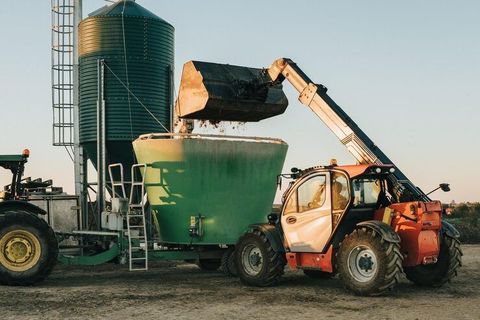
Heavy load handling involves the use of specialized machinery, tools, and techniques designed to lift, lower, and transport large or heavy objects. Equipment such as cranes, hoists, forklifts, lifting slings, and material handling systems are commonly used across various sectors. As industries continue to grow, modern lifting solutions are becoming more advanced, helping organizations manage heavier loads with greater precision.
Context – Understanding Lifting Equipment and Heavy Load Handling
Lifting equipment refers to machines, devices, and accessories used to raise, lower, support, or move heavy loads. These tools are designed to handle weights that would be difficult or unsafe for workers to move manually.
The history of lifting equipment dates back thousands of years when simple pulley systems and levers were used to move heavy stones and construction materials. Over time, engineering advancements led to the development of cranes, hydraulic systems, electric hoists, and automated lifting solutions.
Common Types of Lifting Equipment
Some widely used lifting equipment includes:
- Overhead cranes
- Mobile cranes
- Tower cranes
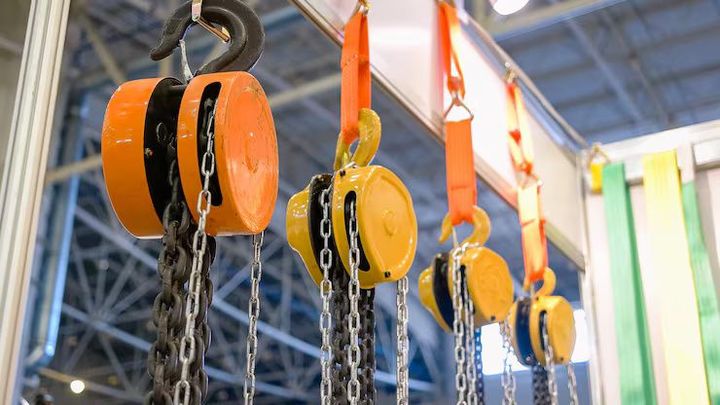
- Chain hoists
- Wire rope hoists
- Forklifts
- Lifting beams
- Slings and shackles
- Vacuum lifting systems
Key Components of Heavy Load Handling
Heavy load handling generally involves:
| Component | Purpose |
|---|---|
| Lifting Device | Raises or lowers the load |
| Rigging Equipment | Connects the load to the lifting device |
| Control System | Helps operators manage movement |
| Safety Devices | Prevents overloads and accidents |
| Inspection Process | Ensures equipment reliability |
These components work together to support safe and efficient material movement in industrial environments.
Importance – Why It Matters
Lifting equipment is essential because it allows organizations to handle materials that exceed safe manual lifting limits. Without proper equipment, workplace injuries and operational delays can increase significantly.
Industries that rely heavily on lifting equipment and heavy load handling include:
- Construction
- Manufacturing
- Mining
- Logistics
- Shipping and ports
- Energy and utilities
- Infrastructure development
The importance of lifting equipment extends beyond productivity. It directly impacts worker safety, equipment protection, and project timelines. Proper heavy load handling helps reduce strain-related injuries, minimizes damage to materials, and supports smoother workflow management.
Organizations also benefit from improved accuracy when moving large components, machinery, or structural materials. Modern lifting systems can position loads with high precision, making them valuable for complex industrial operations.
Recent Updates – Trends and Developments from 2024–2026
The lifting equipment industry has experienced several notable developments between 2024 and 2026.
One major trend is the increasing use of smart technologies. Sensors, monitoring systems, and digital controls are being integrated into cranes and hoists to improve operational visibility and safety.
Another important development is predictive maintenance. Connected equipment can monitor wear patterns and alert operators when maintenance may be required. This helps reduce unexpected downtime and improve equipment reliability.
Automation has also gained momentum. Automated lifting systems are becoming more common in warehouses, manufacturing facilities, and logistics centers where repetitive lifting tasks are performed.
Environmental considerations continue to influence equipment design. Manufacturers are introducing electric-powered lifting equipment and energy-efficient systems to support sustainability goals.
In addition, digital inspection records and remote monitoring tools are becoming more widely adopted, helping organizations track equipment performance and compliance more effectively.
Laws or Policies – Regulations and Safety Requirements
Lifting operations are generally governed by workplace safety regulations and industry standards. While specific requirements vary by country, most regulations focus on preventing accidents and ensuring equipment reliability.
Common Regulatory Requirements
Organizations are often required to:
- Conduct regular inspections
- Maintain equipment records
- Train equipment operators
- Follow load capacity limits
- Use certified lifting accessories
- Implement risk assessments
Several internationally recognized standards influence lifting operations, including standards developed by organizations such as the International Organization for Standardization (ISO) and various national occupational safety authorities.
Key compliance areas typically include:
| Requirement | Purpose |
| Load Testing | Verify lifting capacity |
| Periodic Inspection | Identify wear and defects |
| Operator Training | Improve safe equipment use |
| Risk Assessment | Reduce workplace hazards |
| Maintenance Records | Track equipment condition |
Government agencies and workplace safety authorities often require documented inspection schedules and proper training before lifting equipment is used in industrial environments.
Failure to follow regulations can increase safety risks and operational disruptions, making compliance an important aspect of heavy load handling management.
Tools and Resources
Several tools and resources can help organizations improve lifting equipment management and heavy load handling practices.
Useful resources include:
- Load calculation tools
- Crane capacity charts
- Rigging inspection checklists
- Preventive maintenance schedules
- Digital asset management platforms
- Safety training programs
- Equipment inspection templates
Organizations frequently use lifting plans to evaluate risks before performing complex lifting operations. These plans typically identify equipment requirements, load weights, lifting paths, and safety controls.
Training materials and technical manuals are also valuable resources for operators, supervisors, and safety personnel. Regular reference to updated guidance helps maintain safe lifting practices.
Many equipment manufacturers and industry associations publish educational materials covering lifting techniques, inspection procedures, and equipment selection guidelines.
FAQs
What is lifting equipment?
Lifting equipment includes machines and accessories used to raise, lower, support, or move heavy loads. Examples include cranes, hoists, forklifts, slings, and lifting beams.
Why is heavy load handling important?
Heavy load handling helps move large materials safely and efficiently while reducing workplace injuries and improving operational productivity.
How often should lifting equipment be inspected?
Inspection frequency depends on equipment type, usage conditions, and local regulations. Regular inspections and documented maintenance schedules are commonly required.
What are the most common lifting hazards?
Common hazards include overloading, equipment failure, improper rigging, inadequate training, and poor communication during lifting operations.
How is technology improving lifting equipment?
Modern lifting equipment uses sensors, automation, predictive maintenance systems, and digital monitoring tools to improve safety, reliability, and operational efficiency.
Conclusion
Lifting equipment and heavy load handling are essential components of modern industrial operations. These systems help organizations move materials safely, improve productivity, and reduce physical strain on workers. Advances in automation, digital monitoring, and predictive maintenance are transforming how lifting operations are managed. By following established regulations, maintaining equipment properly, and adopting modern technologies, organizations can support safer and more efficient lifting practices in a wide range of industries.