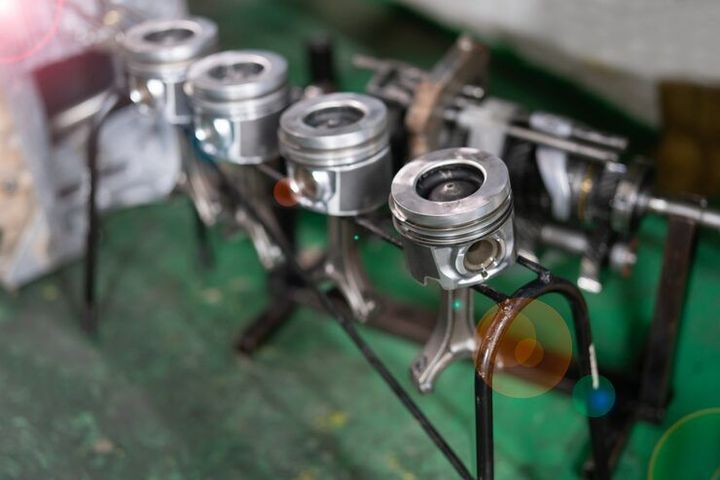
Introduction to Piston Manufacturing Equipment: Essential Knowledge
The piston is a core component in internal combustion engines, playing a critical role in converting fuel energy into mechanical motion. As engine efficiency, emissions standards, and performance expectations evolve, the demand for precision-engineered pistons continues to grow. This makes piston manufacturing equipment a central focus for modern automotive production systems.
Automotive piston manufacturing is not a single-step process. It involves a sequence of highly controlled operations, from raw material preparation to final inspection. Each stage relies on specialized machines designed to achieve tight tolerances, consistent quality, and high productivity. Understanding these systems helps manufacturers optimize workflows and improve output reliability.
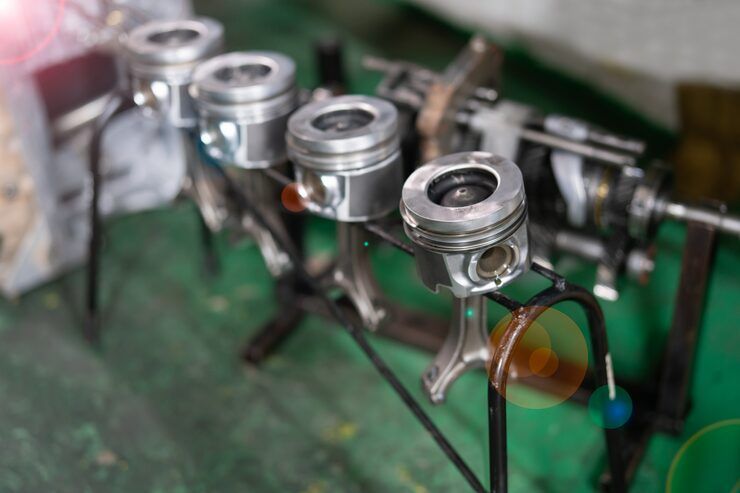
Overview of Automotive Piston Manufacturing
Automotive piston manufacturing begins with material selection, typically aluminum alloys due to their lightweight and thermal conductivity properties. The production process includes casting or forging, machining, heat treatment, coating, and inspection.
Modern piston production lines are increasingly automated. Automation enhances precision, reduces human error, and allows continuous production. Integrated systems ensure that each piston meets strict dimensional and performance standards.
Key stages in piston production include:
- Material preparation and melting
- Casting or forging
- Rough machining
- Precision machining
- Surface treatment and coating
- Quality inspection
Each stage uses dedicated piston manufacturing equipment designed for efficiency and accuracy.
Types of Piston Manufacturing Equipment
Different types of machines are used throughout the piston production process. Each machine performs a specific function and contributes to the final product quality.
Casting and Forging Equipment
Casting and forging are the initial steps in piston production. These processes shape the raw material into a basic piston form.
Casting equipment includes gravity casting machines and low-pressure casting systems. These machines ensure uniform material distribution and reduce defects.
Forging presses are used for high-performance pistons. Forged pistons offer better strength and durability, making them suitable for demanding engine conditions.
CNC Piston Machining Tools
CNC piston machining tools are essential for achieving precision. These machines perform operations such as turning, milling, drilling, and grooving.
CNC machining centers are programmed to produce pistons with exact specifications. They allow repeatability and reduce variation in production.
Common machining operations include:
- Turning the piston skirt
- Cutting ring grooves
- Drilling oil holes
- Machining pin bores
Advanced CNC systems can perform multiple operations in a single setup, improving efficiency.
Piston Machining Centers
Piston machining centers are specialized machines designed specifically for piston production. They integrate multiple machining processes into one system.
These centers improve production speed and reduce handling time. They are often equipped with automated tool changers and real-time monitoring systems.
Heat Treatment Equipment
Heat treatment enhances the mechanical properties of pistons. Furnaces are used to control temperature and cooling rates.
This process improves strength, hardness, and wear resistance. Controlled heat treatment ensures consistent material performance.
Surface Finishing and Coating Equipment
Surface finishing machines improve piston smoothness and reduce friction. Coating equipment applies protective layers to enhance durability.
Common coatings include:
- Anti-friction coatings
- Thermal barrier coatings
- Wear-resistant layers
These treatments extend piston life and improve engine efficiency.
Inspection and Testing Equipment
Quality control is a critical part of piston manufacturing. Inspection equipment ensures that each piston meets required standards.
Tools used include:
- Coordinate Measuring Machines (CMM)
- Optical inspection systems
- Surface roughness testers
Automated inspection systems can detect defects and ensure consistency across production batches.
Piston Production Line Automation
Automation is transforming piston production. Automated systems integrate multiple machines into a continuous workflow, reducing manual intervention.
Piston production line automation includes robotic handling systems, conveyor systems, and centralized control software. These systems improve productivity and reduce downtime.
Benefits of automation include:
- Consistent product quality
- Reduced cycle time
- Lower operational errors
- Improved safety
Automation also enables real-time monitoring and data collection, helping manufacturers optimize processes.
CNC Piston Machining Tools in Detail
CNC piston machining tools are the backbone of modern piston production. These tools allow high-speed, high-precision machining.
They use computer-controlled programs to execute complex operations. This ensures that each piston meets exact design specifications.
Advantages of CNC Machining
- High precision and repeatability
- Reduced material waste
- Faster production cycles
- Flexibility for different piston designs
CNC systems can be integrated with automation for seamless production.
Key Features of Modern CNC Machines
Modern CNC piston machining tools include advanced features such as:
- Multi-axis machining capability
- Automated tool changers
- Real-time monitoring systems
- High-speed spindles
These features enhance productivity and ensure consistent quality.
Piston Production Plant Setup
Setting up a piston production plant requires careful planning. The layout must ensure smooth workflow and efficient use of resources.
A typical piston production plant includes:
- Raw material storage area
- Casting or forging section
- Machining section
- Heat treatment area
- Finishing and coating section
- Inspection and testing area
Proper plant layout reduces material handling time and improves overall efficiency.
Key Considerations for Plant Setup
When planning a piston production plant, manufacturers should consider:
- Production capacity requirements
- Equipment selection and compatibility
- Automation level
- Energy efficiency
- Quality control systems
Efficient plant design supports scalable production and long-term growth.
Comparison of Key Piston Manufacturing Equipment
Below is a table summarizing major equipment used in piston manufacturing and their functions:
| Equipment Type | Function | Key Benefit |
|---|---|---|
| Casting Machine | Forms piston shape | Uniform material structure |
| Forging Press | Compresses metal into shape | High strength pistons |
| CNC Machining Center | Precision machining | High accuracy and repeatability |
| Heat Treatment Furnace | Enhances material properties | Improved durability |
| Surface Finishing Machine | Smoothens piston surface | Reduced friction |
| Coating Equipment | Applies protective layers | Extended lifespan |
| Inspection Systems | Quality control | Consistent product quality |
Challenges in Piston Manufacturing
Despite advancements in technology, piston manufacturing faces several challenges. These include maintaining tight tolerances, managing material properties, and ensuring consistent quality.
Manufacturers must also adapt to changing engine designs and emission standards. This requires continuous innovation in piston manufacturing equipment.
Common challenges include:
- Thermal distortion during machining
- Tool wear and maintenance
- Process variability
- Integration of automation systems
Addressing these challenges requires advanced equipment and skilled process management.
Future Trends in Piston Manufacturing Equipment
The future of piston manufacturing is driven by technology and sustainability. New trends are shaping how pistons are produced.
Key trends include:
- Increased use of automation and robotics
- Adoption of smart manufacturing systems
- Integration of IoT in production lines
- Development of lightweight materials
Smart factories use data analytics to optimize production and reduce waste. These innovations improve efficiency and support environmentally responsible manufacturing.
Conclusion
Piston manufacturing equipment plays a vital role in modern automotive production. From casting and machining to inspection and automation, each stage relies on specialized machines to ensure precision and quality.
As automotive technology evolves, piston production systems must adapt. Advanced CNC piston machining tools, automated production lines, and efficient plant setups are essential for meeting industry demands.
Understanding the fundamentals of piston manufacturing equipment helps manufacturers improve efficiency, maintain quality, and stay competitive in a rapidly changing industry.