Introduction to the Eye Lens: Simple Explanation and Details
The eye lens is a vital part of the human visual system that helps us see clearly at different distances. It works together with other eye structures to focus light onto the retina, allowing the brain to interpret images. Understanding how the eye lens functions can help you better appreciate vision and the role of corrective options like contact lenses.
In this article, you will learn about the structure, function, and importance of the eye lens. You will also explore different types of contact lenses, including soft lens options, colored contact lenses, multifocal lenses, and modern variants such as air optix color contacts.
What Is the Eye Lens?
The eye lens is a transparent, flexible structure located behind the iris and pupil. Its main function is to focus incoming light onto the retina at the back of the eye. The retina then converts this light into signals that the brain processes as images.
Unlike a camera lens, the eye lens can change its shape. This ability allows it to adjust focus for objects that are near or far, a process known as accommodation.
The lens is made mostly of water and proteins. It does not have blood vessels, which helps maintain its transparency. Nutrients reach the lens through surrounding fluids inside the eye.
Structure and Components of the Eye Lens
The eye lens has a simple yet highly specialized structure. Each part contributes to its ability to focus light effectively.
- capsule: a thin outer layer that protects the lens
- cortex: the outer region made of elongated cells
- nucleus: the central core, which becomes denser with age
- lens fibers: tightly packed cells that maintain clarity
These components work together to keep the lens transparent and flexible. Over time, natural changes in these structures can affect vision.
How the Eye Lens Works
The eye lens focuses light by bending it, a process called refraction. When light enters the eye, it first passes through the cornea and then the lens. The lens fine-tunes the focus so the image lands sharply on the retina.
When you look at nearby objects, the lens becomes thicker. When you look at distant objects, it becomes thinner. This adjustment is controlled by tiny muscles called ciliary muscles.
This dynamic focusing ability is essential for everyday tasks like reading, driving, and recognizing faces.
Common Eye Lens Changes Over Time
As people age, the eye lens undergoes gradual changes. These changes can affect clarity and flexibility.
Some common conditions include:
- presbyopia: difficulty focusing on close objects
- cataracts: clouding of the lens, leading to blurred vision
- reduced flexibility: slower focusing ability
These changes are natural but can be managed with corrective measures such as glasses or contact lenses.
Introduction to Contact Lenses
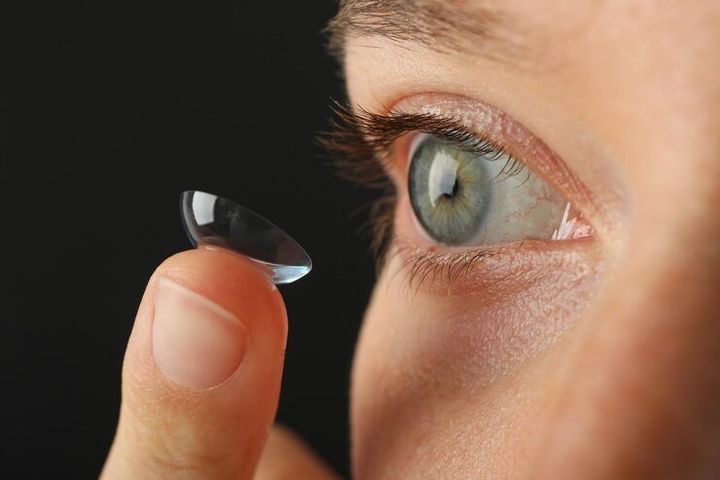
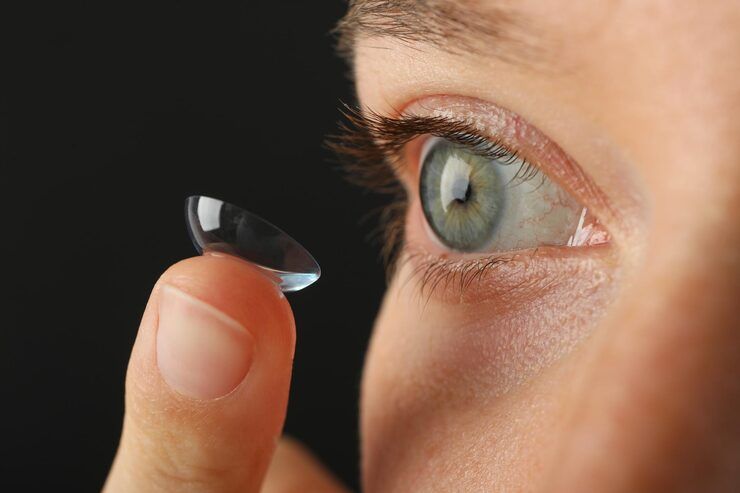
Contact lenses are thin, curved lenses placed directly on the surface of the eye. They serve as an alternative to glasses and help correct vision by adjusting how light enters the eye.
Contact lenses sit on the tear film covering the cornea and move slightly with eye movements. They provide a wide field of vision and can be designed for different vision needs.
Types of Contact Lenses
There are several types of contact lenses available, each designed for specific vision requirements and preferences.
Soft Lens Options
Soft lens designs are among the most commonly used contact lenses. They are made from flexible materials that allow oxygen to pass through to the eye.
Benefits of soft lens types include:
- comfortable for extended wear
- easy to adapt to for beginners
- suitable for active lifestyles
Soft lenses are available in daily, weekly, or monthly replacement schedules, depending on the material and usage pattern.
Colored Contact Lenses
Colored contact lenses are designed to enhance or change the natural color of the eyes. They can be used for vision correction or purely for cosmetic purposes.
There are different styles of colored contact lenses:
- enhancement tint: intensifies natural eye color
- opaque tint: changes eye color completely
- visibility tint: lightly tinted for easier handling
Color lenses are popular for aesthetic expression and can complement personal style.
Multifocal Lenses
Multifocal lenses are designed for people who need correction for both near and distant vision. These lenses contain multiple zones with different focusing powers.
They are especially helpful for individuals experiencing presbyopia. Instead of switching between different glasses, multifocal lenses allow seamless vision at various distances.
Air Optix Color Contacts
Air optix color contacts combine vision correction with color enhancement. They are made from breathable materials that allow oxygen to reach the eye.
These lenses are known for:
- comfortable wear throughout the day
- natural-looking color patterns
- improved moisture retention
They provide both functional and aesthetic benefits, making them a popular choice among users who want vision correction along with a change in eye appearance.
Comparison of Contact Lens Types
Below is a simple table comparing different types of contact lenses:
| Lens Type | Purpose | Comfort Level | Special Feature |
|---|---|---|---|
| Soft lens | Vision correction | High | Flexible and easy to wear |
| Colored contact lenses | Cosmetic and correction | Medium | Enhances or changes eye color |
| Multifocal lenses | Near and far vision | High | Multiple focus zones |
| Air optix color contacts | Color + correction | High | Breathable and natural appearance |
This table helps highlight how each type serves different needs and preferences.
Choosing the Right Lens for Your Needs
Selecting the right contact lens depends on several factors. It is important to consider your vision requirements, lifestyle, and comfort preferences.
Some helpful tips include:
- consider daily activities and screen time
- choose breathable materials for long wear
- ensure proper hygiene and maintenance
- follow recommended replacement schedules
Understanding your needs can help you make informed decisions about lens types.
Care and Maintenance of Contact Lenses
Proper care is essential for maintaining eye health while using contact lenses. Poor hygiene can lead to discomfort or infections.
Basic care practices include:
- washing hands before handling lenses
- cleaning and storing lenses properly
- avoiding wearing lenses longer than recommended
- replacing lenses as scheduled
Maintaining good habits ensures comfort and reduces the risk of eye issues.
Importance of Eye Health Awareness
Awareness about eye health plays a key role in maintaining clear vision. Regular eye check-ups help detect early signs of problems related to the eye lens or overall vision.
Understanding symptoms such as blurred vision, dryness, or discomfort can help you take timely action. Preventive care is always better than managing advanced issues.
Future Trends in Lens Technology
Advancements in lens technology continue to improve both comfort and functionality. Modern lenses are designed to enhance oxygen flow, reduce dryness, and provide better visual clarity.
Emerging innovations include:
- smart lenses with digital integration
- improved moisture-retaining materials
- customized lenses for individual eye shapes
These developments are shaping the future of vision care and offering more personalized solutions.
Conclusion
The eye lens is a remarkable part of the human body that enables clear and focused vision. Its ability to adjust shape and focus light is essential for everyday life. Over time, natural changes may affect its performance, but various solutions such as contact lenses can help maintain good vision.
From soft lens options to colored contact lenses and multifocal lenses, there are many choices available to suit different needs. Advanced options like air optix color contacts combine comfort with aesthetic appeal, making them versatile for modern users.
By understanding how the eye lens works and exploring available lens types, you can make informed decisions about vision care and maintain healthy eyesight.