IoT Sensor Networks: Smart Connectivity Explained
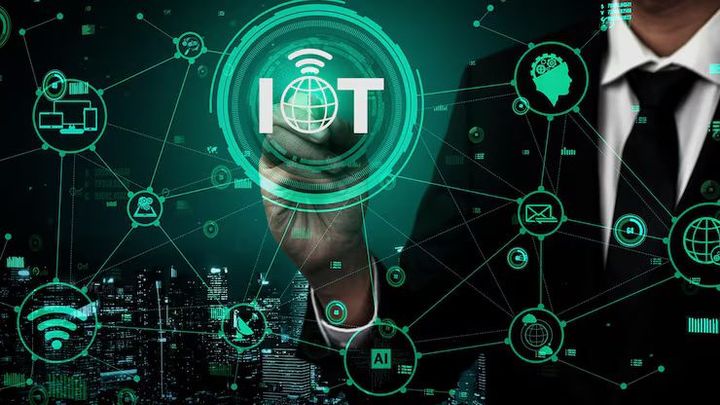
The Internet of Things (IoT) has changed the way people and businesses interact with technology. One of the most important parts of this digital ecosystem is IoT sensor networks. These networks collect information from the physical world and send it to connected systems for analysis and action.
From smart cities to industrial automation, IoT sensor networks help organizations monitor equipment, improve efficiency, and make data-driven decisions. As connected devices continue to grow worldwide, understanding how these networks work has become increasingly important.
What Are IoT Sensor Networks?
IoT sensor networks are groups of connected sensors that gather and exchange information through wireless or wired communication. These sensors detect changes in the environment, such as temperature, pressure, humidity, motion, light, or vibration.
The collected data travels through communication gateways and cloud computing platforms where advanced analytics and artificial intelligence tools process the information. The results help users understand patterns, predict problems, and improve operations.
Modern wireless sensor networks often use technologies such as Wi-Fi, Bluetooth Low Energy, Zigbee, LoRaWAN, and 5G connectivity to support real-time data transmission.
How IoT Sensor Networks Work
Data Collection
Sensors continuously monitor physical conditions. For example, a temperature sensor in a factory checks machine heat levels while a moisture sensor monitors agricultural fields.
Data Transmission
After collecting information, the sensors send data through a secure communication network. Depending on the application, the network may use short-range or long-range wireless protocols.
Data Processing
Cloud computing and edge computing platforms analyze incoming information. Edge computing processes data closer to the source, reducing delays and improving system response times.
Automated Response
Once the data is analyzed, connected systems can trigger automatic actions. A smart building may adjust air conditioning, while an industrial IoT platform may issue maintenance alerts.
Why IoT Sensor Networks Matter
IoT sensor networks provide valuable insights that help organizations improve productivity and reduce operational risks.
Some important advantages include:
- Real-time monitoring of assets and infrastructure
- Predictive maintenance for industrial equipment
- Better energy management
- Enhanced environmental monitoring
- Improved operational efficiency
- Smarter decision-making through data analytics
Many industries now rely on digital transformation strategies where connected sensors play a key role in improving business intelligence.
Common Applications of IoT Sensor Networks
Smart Manufacturing
Industrial IoT systems use sensor networks to monitor machinery performance and detect unusual patterns before equipment failures occur. Predictive analytics can reduce downtime and improve production quality.
Smart Cities
Cities use IoT sensors to manage traffic flow, monitor air quality, control street lighting, and optimize waste management systems. These technologies support sustainable urban development.
Agriculture
Precision farming depends on connected sensors that measure soil moisture, weather conditions, and crop health. Farmers can make informed decisions based on accurate field data.
Healthcare
Medical monitoring devices use sensor networks to track patient health indicators. Connected healthcare technology supports remote monitoring and faster response to critical situations.
Energy and Utilities
Utility companies use IoT infrastructure to monitor power grids, water systems, and renewable energy facilities. Real-time monitoring helps improve reliability and resource management.
The Importance of IoT Security
As the number of connected devices increases, cybersecurity becomes a major concern. IoT sensor networks handle large amounts of sensitive information, making them attractive targets for cyber threats.
Strong IoT security practices include:
Device Authentication
Only authorized devices should connect to the network.
Data Encryption
Encryption protects information during transmission and storage.
Network Monitoring
Continuous monitoring helps detect suspicious activity before it causes significant damage.
Regular Software Updates
Keeping systems updated reduces vulnerabilities and strengthens overall network protection.
Cybersecurity experts continue to develop advanced solutions that improve trust and reliability in connected ecosystems.
Emerging Trends in IoT Sensor Networks
Technology continues to evolve rapidly, bringing new possibilities for smart connectivity.
Artificial intelligence is becoming more integrated with IoT systems, allowing machines to recognize patterns and make intelligent decisions. Edge computing is reducing network delays and supporting faster processing for time-sensitive applications.
The expansion of 5G networks is expected to improve communication speed and support billions of connected devices. Digital twin technology is also gaining attention by creating virtual models of physical systems for testing and optimization.
According to industry forecasts, the global number of connected IoT devices is expected to reach tens of billions in the coming years, making sensor networks an essential part of future digital infrastructure.
Challenges Facing IoT Sensor Networks
Despite their advantages, IoT sensor networks still face several challenges.
Scalability can become difficult as the number of connected devices grows. Battery life remains an issue for remote sensors that operate for long periods without maintenance. Data privacy regulations also require organizations to manage information responsibly.
Network reliability and interoperability between different hardware platforms are additional factors that influence successful implementation.
Addressing these challenges will help create stronger and more efficient IoT ecosystems.
Final Thoughts
IoT sensor networks are transforming industries by connecting the physical and digital worlds. They provide valuable information that supports automation, predictive analytics, and smarter operations.
As technologies like artificial intelligence, edge computing, and 5G continue to advance, smart connectivity will become even more powerful. Understanding the basics of IoT sensor networks helps individuals and organizations prepare for a future where connected devices play an even greater role in everyday life.