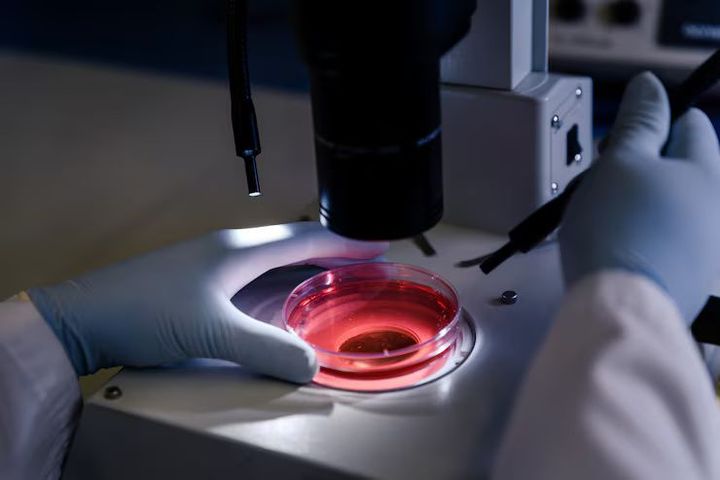
IVF & Assisted Reproductive Technologies: Explore Modern Fertility Treatment Options
In vitro fertilization (IVF) and assisted reproductive technologies (ART) are medical approaches designed to support individuals and couples who face difficulties conceiving naturally. These technologies involve laboratory techniques that help fertilize eggs, develop embryos, and support successful pregnancies.
Assisted reproductive technologies (ART) refer to medical procedures that involve handling eggs, sperm, or embryos outside the human body to support reproduction. The most widely recognized method is in vitro fertilization (IVF), but ART also includes techniques such as intracytoplasmic sperm injection (ICSI), embryo freezing, and donor-assisted reproduction.
Fertility challenges can occur due to hormonal imbalances, medical conditions, age-related factors, or unexplained causes. These technologies provide alternative pathways to help individuals and couples overcome biological barriers to conception.
How IVF Works
Key Steps in the IVF Process
The IVF process involves multiple carefully monitored stages carried out in specialized medical environments. Each step is designed to improve the chances of successful fertilization and implantation.
- Hormonal stimulation to produce multiple eggs
- Egg retrieval from the ovaries
- Fertilization in a laboratory setting
- Embryo culture and monitoring
- Transfer of an embryo into the uterus
These steps require advanced laboratory systems, skilled professionals, and continuous monitoring to ensure safety and effectiveness.
Why Fertility Technology Matters Today
Infertility is a global health concern affecting approximately 10–15% of reproductive-age couples. This has increased the importance of ART in modern healthcare systems.
Factors Driving Demand for ART
Several social and medical factors contribute to the growing use of fertility technologies:
- Delayed parenthood due to education and career planning
- Increased awareness of reproductive health
- Conditions such as polycystic ovary syndrome (PCOS)
- Male infertility factors
- Effects of cancer treatments on fertility
These technologies help individuals facing issues such as blocked fallopian tubes, genetic concerns, or age-related fertility decline.
Broader Applications of ART
Beyond conception, ART supports various medical and social needs:
- Fertility preservation before medical treatments
- Genetic screening through embryo testing
- Expanded reproductive options for diverse family structures
Fertility research also contributes to advancements in genetics, embryology, and reproductive health understanding.
Recent Developments in Fertility Technology (2024–2025)
Recent years have seen significant innovation in reproductive medicine, driven by advancements in technology and data analysis.
Key Innovations
- AI-assisted embryo assessment for improved selection accuracy
- Advancements in preimplantation genetic testing (PGT)
- Enhanced embryo freezing and thawing techniques
- Time-lapse embryo monitoring systems
- Personalized hormone stimulation protocols
Digital health tools are also being integrated into fertility care, allowing patients to track treatment progress and manage medications more efficiently.
Emerging Research Areas
Researchers are exploring new fertility preservation methods such as egg freezing and ovarian tissue preservation. Public discussions around ethics, embryo rights, and legal frameworks have also increased in recent years.
Regulations and Policies Affecting ART
Fertility treatments are regulated differently across countries due to ethical and medical considerations. In India, the Assisted Reproductive Technology (Regulation) Act, 2021 governs ART practices.
Key Regulatory Elements in India
- Mandatory registration of fertility clinics and laboratories
- Guidelines for handling gametes and embryos
- Documentation and record-keeping requirements
- Restrictions on donor anonymity and embryo practices
India also enforces the Surrogacy (Regulation) Act, 2021, which sets legal frameworks for surrogacy arrangements.
Global Oversight Organizations
- International Federation of Fertility Societies (IFFS)
- World Health Organization (WHO)
- National reproductive health authorities
These bodies help establish ethical standards, patient protections, and transparency in fertility treatments.
Helpful Tools and Digital Resources
Digital tools play an important role in educating individuals and supporting fertility tracking and treatment management.
Common Fertility Tools
- Ovulation tracking apps
- Fertility awareness calendars
- Hormone monitoring platforms
- IVF treatment management apps
- Educational health portals
Features of Modern Fertility Tools
- Cycle prediction algorithms
- Hormone data integration
- Medication reminders
- Treatment progress tracking
- Educational content on reproductive health
Overview of Fertility Tools
| Tool Type | Purpose | Typical Features |
|---|---|---|
| Ovulation Tracker Apps | Monitor menstrual cycles | Cycle predictions, symptom tracking |
| Fertility Health Platforms | Provide reproductive information | Articles, treatment guides |
| Hormone Monitoring Devices | Track hormone changes | Data visualization |
| IVF Treatment Apps | Manage treatment stages | Reminders, appointment logs |
These tools help individuals better understand their reproductive health and make informed decisions.
Common Questions About IVF and Fertility Treatments
What does IVF stand for?
IVF stands for in vitro fertilization. It involves fertilizing eggs with sperm in a laboratory before transferring the embryo into the uterus.
How long does an IVF cycle take?
An IVF cycle typically takes several weeks, including hormone stimulation, egg retrieval, fertilization, and embryo transfer.
What is assisted reproductive technology?
ART refers to medical procedures that handle reproductive cells outside the body to assist pregnancy.
Is IVF the only fertility treatment?
No, ART includes multiple techniques such as ICSI, embryo freezing, and fertility preservation methods.
Can ART help with genetic conditions?
Yes, technologies like preimplantation genetic testing allow screening of embryos for certain chromosomal conditions under medical supervision.
Data Overview: Global Fertility Treatment Trends
Fertility treatment demand continues to grow due to various social and medical factors.
| Factor | Influence on Fertility Treatment |
|---|---|
| Delayed parenthood | Increased need for fertility assistance |
| Medical conditions | Higher demand for reproductive treatments |
| Technological advances | Improved treatment success rates |
| Health awareness | Greater public understanding |
Ongoing research helps improve treatment outcomes and guides future innovation in reproductive medicine.
Conclusion
IVF and assisted reproductive technologies have become essential components of modern healthcare. They provide solutions for individuals and couples facing fertility challenges while advancing scientific knowledge in reproductive medicine.
With innovations such as AI-assisted embryo selection, improved genetic testing, and digital health tools, the field continues to evolve rapidly. Regulatory frameworks ensure ethical practices and patient protection, supporting responsible use of these technologies.
As awareness grows, educational resources and digital tools empower individuals to make informed reproductive choices. Assisted reproductive technologies will continue to play a vital role in shaping the future of fertility care.