Japanese Kanzashi Hairpins: Complete Guide to Traditional Styles and Cultural Meaning
Japanese Kanzashi hairpins are traditional hair ornaments used in Japanese culture, particularly with traditional hairstyles worn alongside kimono. These decorative hairpieces have been part of Japanese fashion and cultural identity for centuries. They originated during the Edo period (1603–1868) when elaborate hairstyles became popular among women.
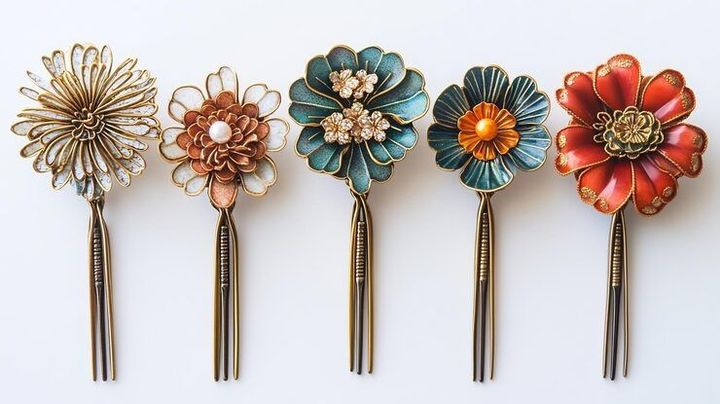
Kanzashi are traditional Japanese hair ornaments crafted from materials such as silk, lacquered wood, metal, and synthetic elements. These decorative pieces were originally designed to secure complex hairstyles while enhancing their visual appeal.
Over time, Kanzashi evolved into cultural symbols that reflect seasonal themes, artistic traditions, and social meanings. Today, they are recognized as an important part of Japanese heritage and craftsmanship.
Types of Kanzashi Hairpins
Common Kanzashi Styles
Several types of Kanzashi are distinguished by their design and function. Each style reflects unique artistic and cultural characteristics.
- Hana Kanzashi – Flower-shaped ornaments, often worn in traditional arts
- Tama Kanzashi – Simple hairpins with rounded decorative tops
- Bira Kanzashi – Hairpieces with dangling metal strips for movement
- Kushi Kanzashi – Comb-style ornaments used for stability
- Tsumami Kanzashi – Detailed silk flowers made through folding techniques
These designs are commonly associated with traditional clothing, performances, and ceremonial occasions.
Importance of Kanzashi in Modern Society
Cultural and Educational Significance
Kanzashi continue to play an important role in preserving traditional Japanese culture. Although not widely used in everyday hairstyles, they remain essential in festivals, performing arts, and cultural education.
Different groups engage with Kanzashi today:
- Students learning traditional Japanese arts
- Cultural historians and researchers
- Designers working with heritage crafts
- Participants in festivals and ceremonies
They also help preserve traditional craftsmanship methods such as silk folding and lacquer work.
Role in Cultural Studies
The study of Kanzashi connects to broader academic and cultural topics:
- Cultural heritage preservation
- Traditional fashion history
- Handcrafted design techniques
- Seasonal symbolism in Japanese culture
These connections make Kanzashi valuable in both academic research and cultural education programs.
Recent Developments and Trends
Growing Interest in Traditional Crafts
In recent years, there has been renewed interest in traditional Japanese crafts, including Kanzashi. Cultural organizations have introduced programs to encourage younger generations to learn these techniques.
Workshops focusing on tsumami Kanzashi have become more common in educational settings. Digital platforms have also increased awareness by sharing information about their history and craftsmanship.
Notable Trends
- Expansion of cultural heritage workshops
- Increased academic research on Edo-period fashion
- Integration into modern performances and exhibitions
- Greater global interest in handmade and sustainable crafts
Exhibitions in Kyoto have also highlighted Kanzashi’s connection to identity and seasonal symbolism.
Cultural Regulations and Heritage Policies
Preservation Efforts
Japan protects traditional crafts like Kanzashi through cultural heritage policies. These policies ensure that craftsmanship techniques and historical knowledge are preserved.
The Law for the Protection of Cultural Properties supports:
- Documentation of traditional techniques
- Training programs for artisans
- Museum exhibitions and research
- Cultural exchange initiatives
These efforts help maintain Kanzashi as part of Japan’s national identity.
Educational Tools and Resources
Research and Learning Platforms
Various resources are available for those interested in studying Kanzashi. These tools support both academic research and general cultural education.
- Museum digital archives
- Cultural heritage websites
- Academic journals on traditional arts
- Digital fashion history databases
Resource Overview Table
| Resource Type | Purpose |
|---|---|
| Museum Digital Archives | Document historical Kanzashi collections |
| Cultural Heritage Websites | Provide educational materials on Japanese crafts |
| Academic Research Databases | Publish studies on traditional fashion |
| Cultural Event Programs | Present exhibitions and workshops |
These platforms often include instructional materials on Kanzashi-making techniques.
Cultural Style Categories
Design and Symbolism
Kanzashi designs often reflect nature and seasonal themes. Each style carries symbolic meaning connected to Japanese aesthetics.
Style Overview Table
| Kanzashi Style | Design Characteristics | Cultural Meaning |
|---|---|---|
| Flower Kanzashi | Silk flowers arranged in clusters | Seasonal beauty |
| Dangling Kanzashi | Moving metal ornaments | Elegance and motion |
| Comb Kanzashi | Structured comb design | Hairstyle stability |
| Simple Pin Kanzashi | Minimal rounded ornaments | Classic design |
Seasonal Motifs
Common seasonal designs include:
- Cherry blossoms (spring)
- Wisteria (early summer)
- Chrysanthemums (autumn)
- Plum blossoms (winter)
These motifs reflect Japan’s deep appreciation for seasonal change.
Cultural Symbolism and Design Traditions
Kanzashi are not just decorative items but also expressions of identity and tradition. Historically, they conveyed meaning through design, material, and style.
They may represent:
- Seasonal celebrations
- Personal artistic expression
- Participation in cultural performances
- Social and ceremonial roles
Today, they remain important in traditional dance, theatre, and cultural studies.
Frequently Asked Questions
What are Kanzashi hairpins used for?
Kanzashi are used to secure hairstyles and decorate hair, especially when wearing traditional clothing like kimono.
When did Kanzashi become popular?
They became widely popular during Japan’s Edo period, when elaborate hairstyles were common.
Are Kanzashi seasonal?
Yes, many designs reflect specific seasons through floral and natural motifs.
What materials are used in Kanzashi?
They are made from silk, lacquered wood, metal, tortoiseshell imitation, and synthetic materials.
Why are Kanzashi important?
They represent traditional craftsmanship, cultural identity, and historical fashion practices.
Conclusion
Kanzashi hairpins represent a unique blend of art, culture, and history. Originally designed to support traditional hairstyles, they have evolved into meaningful cultural symbols.
Today, Kanzashi remain relevant through educational programs, exhibitions, and heritage preservation efforts. Their continued study highlights the importance of preserving traditional crafts in a modern world.