Jewelry store display furniture plays a vital role in presenting high-value products such as gold, diamonds, and luxury watches in a secure and visually appealing way. From glass showcases and wall-mounted cabinets to modular retail fixtures and LED-lit counters, these elements are designed to enhance product visibility while maintaining safety and organization.
Context
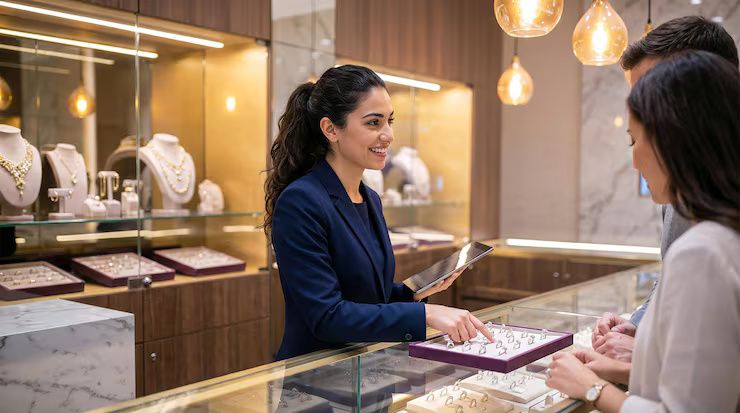
Jewelry store display furniture refers to the specialized fixtures and furnishings used to present fine jewelry in retail environments. These include glass showcases, wall-mounted cabinets, display counters, pedestal stands, modular shelving, and secure storage units. Unlike general retail furniture, jewelry fixtures are designed to combine visual merchandising, lighting integration, and advanced security features.
The primary purpose of this furniture is to highlight small, high-value products such as rings, necklaces, bracelets, and watches in a way that enhances visibility and perceived value. At the same time, it must protect items from theft, damage, and environmental exposure.
Modern jewelry retail design often integrates:
-
Tempered glass showcases
-
LED display lighting systems
-
Lockable drawers and concealed storage
-
Anti-reflective coatings
-
Modular display layouts
Display furniture exists to create an organized, secure, and visually appealing retail environment that improves customer experience while maintaining operational efficiency.
Importance
Jewelry store display furniture plays a critical role in retail performance, customer trust, and brand positioning. Because jewelry items are compact but high in value, presentation directly influences customer perception.
It matters today because:
-
Retail competition has increased across physical and digital channels
-
Consumers expect premium in-store experiences
-
Security risks remain a significant concern
-
Store layouts must balance aesthetics and surveillance
For jewelry retailers, proper display furniture helps:
-
Improve product visibility under controlled lighting
-
Enhance luxury branding through materials like wood veneer, metal finishes, and glass
-
Reduce shrinkage through secure locking mechanisms
-
Support efficient inventory management
For customers, well-designed fixtures create:
-
Clear viewing angles
-
Comfortable browsing height
-
Organized product categories
-
A sense of safety and professionalism
The following table outlines key functional elements and their purpose:
| Furniture Feature | Purpose in Retail Environment |
|---|---|
| Tempered Glass | Safety and durability |
| LED Strip Lighting | Highlight sparkle and clarity |
| Hidden Storage Compartments | Secure backup inventory |
| Modular Display Units | Flexible store layout adjustments |
| Locking Mechanisms | Theft prevention and compliance |
Well-planned retail display fixtures also support high-value commercial real estate optimization by using space efficiently in shopping malls, high-street stores, and standalone boutiques.
Recent Updates
In 2024 and early 2025, several trends have influenced jewelry retail design and display solutions.
Sustainable materials have gained attention. Retailers increasingly use:
-
FSC-certified wood
-
Recycled aluminum frames
-
Low-energy LED lighting
Energy-efficient lighting has become more advanced, with adjustable color temperature LEDs allowing stores to adapt lighting for diamonds, gold, or gemstones.
Security technology integration has also evolved. Recent updates include:
-
Smart lock systems connected to centralized monitoring
-
Motion-triggered internal lighting
-
RFID-based inventory tracking within display drawers
Omnichannel retail integration is another trend. Physical display furniture is now often designed with digital screens or QR code panels that connect customers to online catalogs.
According to 2024 retail design industry reports, modular and reconfigurable display systems have become more common due to shorter retail lease cycles and evolving brand identity strategies.
Ergonomic improvements have also emerged, including:
-
Improved counter height standards
-
Better customer flow mapping
-
Wider aisles to accommodate accessibility compliance
These updates reflect how jewelry retail is adapting to both technological advancements and changing consumer expectations.
Laws or Policies
Jewelry store display furniture must comply with multiple regulations depending on the country. In India, retailers typically follow guidelines under the Bureau of Indian Standards for material safety and structural compliance.
Important regulatory areas include:
Product Safety and Materials
-
Use of non-toxic finishes
-
Fire-resistant materials where required
-
Tempered or laminated safety glass
Building and Accessibility Regulations
-
Compliance with accessibility standards under the Rights of Persons with Disabilities Act
-
Adequate aisle width for wheelchair access
-
Proper counter height considerations
Fire Safety Codes
-
Electrical wiring for lighting must meet local fire safety regulations
-
Emergency exit visibility must not be obstructed by display units
Security and Surveillance Compliance
-
CCTV placement must comply with local privacy regulations
-
Alarm systems may require adherence to state-level commercial safety codes
Retailers operating in shopping malls may also need approval from property management authorities regarding fixture installation and structural modifications.
Compliance reduces liability risks and ensures safer retail environments for customers and employees.
Tools and Resources
Several tools and platforms support planning, design, and compliance related to jewelry store display furniture.
Design and Layout Tools
-
AutoCAD for technical fixture drawings
-
SketchUp for 3D visualization
-
Floor planning software for traffic flow analysis
Lighting Calculators
-
Online LED lumen calculators
-
Retail lighting planning guides
Security Planning Resources
-
Risk assessment templates for retail environments
-
Commercial surveillance system configuration guides
Standards and Guidelines
-
Publications from the Bureau of Indian Standards
-
National Building Code of India documentation
-
Local municipal building authority websites
Inventory and Display Optimization
-
Retail analytics dashboards
-
RFID integration documentation
-
Visual merchandising planning templates
Below is a simplified layout comparison for small and medium-sized jewelry stores:
| Store Size | Display Type | Layout Style |
|---|---|---|
| Small | Wall cabinets + counter | Linear flow layout |
| Medium | Island showcases + walls | Grid or loop layout |
| Large | Themed sections + islands | Zoned luxury layout |
These resources help retailers maintain operational efficiency and regulatory alignment.
FAQs
What materials are commonly used in jewelry store display furniture?
Common materials include tempered glass, engineered wood, stainless steel, aluminum framing, and LED lighting systems. Materials are selected for durability, visual clarity, and security.
Why is lighting important in jewelry displays?
Lighting enhances brilliance, color, and clarity of gemstones and metals. Adjustable LED lighting allows retailers to control brightness and color temperature to highlight specific jewelry types.
How does display furniture improve security?
Modern fixtures include lockable compartments, reinforced glass, concealed hinges, and integrated alarm systems. Some stores use RFID tracking within drawers to monitor inventory movement.
Are there accessibility requirements for jewelry counters?
Yes. In India, retail stores must comply with accessibility standards under the Rights of Persons with Disabilities Act. This includes adequate aisle width and accessible counter heights.
Can modular display systems improve store flexibility?
Modular systems allow rearrangement of fixtures for seasonal collections, promotional layouts, or branding updates without major structural changes.
Conclusion
Jewelry store display furniture plays a foundational role in shaping the retail experience. It combines design aesthetics, visual merchandising strategy, lighting technology, and security engineering. As consumer expectations rise and regulations evolve, display fixtures must balance elegance with functionality.
Recent trends emphasize sustainability, modular design, energy-efficient lighting, and integrated security systems. Compliance with national safety standards and accessibility laws ensures safer and more inclusive retail environments.
By using modern design tools, regulatory guidelines, and updated retail analytics resources, jewelry retailers can create display environments that are organized, secure, and aligned with contemporary retail practices.
Effective display furniture is not merely decorative; it is a structured system that supports product presentation, operational efficiency, and customer confidence in high-value retail spaces.