Jewelry Store Display Furniture: Design, Security, and Retail Display Insights
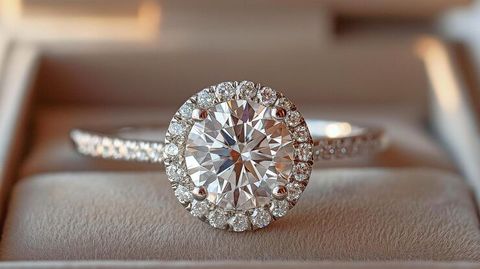
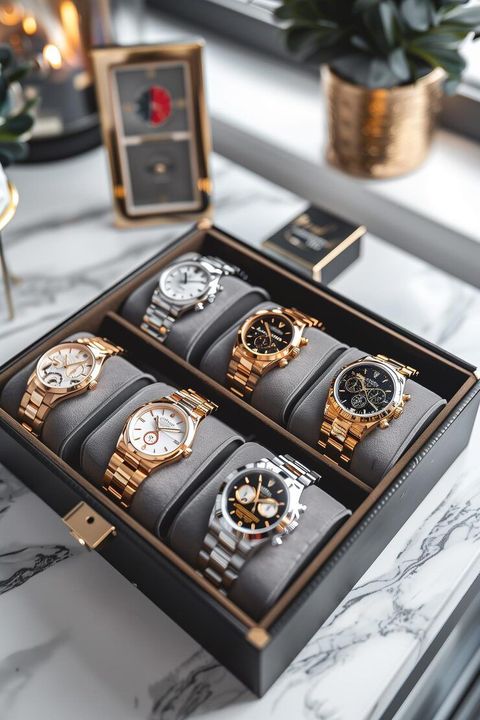
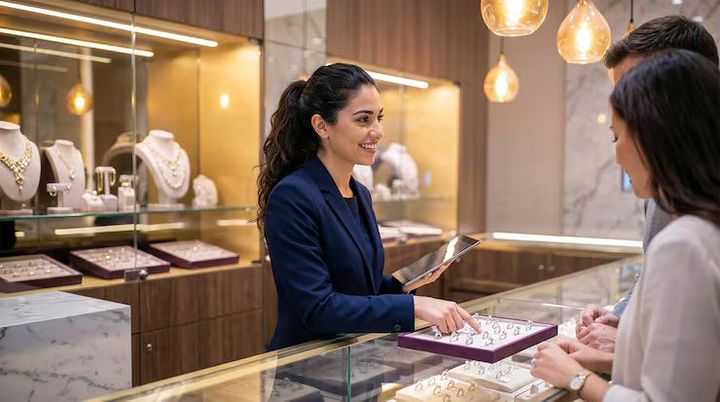
Jewelry store display furniture plays a vital role in presenting high-value products such as gold, diamonds, and luxury watches in a secure and visually appealing way. From glass showcases and wall-mounted cabinets to modular retail fixtures and LED-lit counters, these elements are designed to enhance product visibility while maintaining safety and organization.
The primary purpose is to highlight small, high-value items like rings, necklaces, bracelets, and watches. At the same time, the furniture protects them from theft, damage, and environmental exposure.

Common Components in Modern Displays
Modern jewelry retail design often integrates:
- Tempered glass showcases
- LED display lighting systems
- Lockable drawers and concealed storage
- Anti-reflective coatings
- Modular display layouts
These elements help create an organized, secure, and visually appealing retail environment that improves both customer experience and operational efficiency.
Importance in Retail Performance
Jewelry display furniture plays a critical role in influencing customer perception and store performance. Since jewelry items are compact but valuable, presentation directly impacts buying decisions.
It is especially important today due to increased retail competition, evolving customer expectations, and ongoing security concerns.
Benefits for Retailers
For jewelry retailers, proper display furniture helps:
- Improve product visibility under controlled lighting
- Enhance luxury branding through premium materials
- Reduce theft risks with secure locking systems
- Support efficient inventory management
Benefits for Customers
For customers, well-designed fixtures provide:
- Clear viewing angles
- Comfortable browsing height
- Organized product categories
- A sense of safety and professionalism
Key Functional Elements
| Furniture Feature | Purpose in Retail Environment |
|---|---|
| Tempered Glass | Safety and durability |
| LED Strip Lighting | Highlights sparkle and clarity |
| Hidden Storage Compartments | Secures backup inventory |
| Modular Display Units | Enables flexible layout adjustments |
| Locking Mechanisms | Prevents theft and ensures compliance |
Well-planned display furniture also supports efficient use of retail space in malls, high-street stores, and boutiques.
Recent Trends and Updates (2024–2025)
Recent developments in jewelry retail design reflect changes in technology, sustainability, and customer expectations. Retailers are increasingly adopting materials and systems that improve both performance and environmental impact.
Sustainable Material Adoption
Retailers are now using:
- FSC-certified wood
- Recycled aluminum frames
- Low-energy LED lighting
These materials help reduce environmental impact while maintaining durability and aesthetics.
Advancements in Lighting Technology
Lighting systems have become more advanced with features such as:
- Adjustable color temperature LEDs
- Targeted lighting for diamonds, gold, and gemstones
These improvements enhance product appearance and customer engagement.
Enhanced Security Integration
Modern display furniture now includes:
- Smart lock systems with centralized monitoring
- Motion-triggered internal lighting
- RFID-based inventory tracking
These features strengthen both physical and digital security measures.
Omnichannel Integration
Physical retail spaces are increasingly connected to digital platforms through:
- Built-in digital screens
- QR code panels linking to online catalogs
This allows customers to explore additional products beyond in-store inventory.
Ergonomic and Layout Improvements
Recent updates also focus on usability and accessibility:
- Improved counter height standards
- Better customer flow design
- Wider aisles for accessibility compliance
These changes enhance comfort and inclusivity in retail environments.
Laws and Policies in India
Jewelry display furniture must comply with various safety and regulatory standards. In India, guidelines are often aligned with the Bureau of Indian Standards and national building regulations.
Product Safety and Materials
Key requirements include:
- Use of non-toxic finishes
- Fire-resistant materials where applicable
- Tempered or laminated safety glass
Building and Accessibility Regulations
Retailers must ensure:
- Compliance with the Rights of Persons with Disabilities Act
- Adequate aisle width for wheelchair access
- Appropriate counter height design
Fire Safety Codes
Important considerations include:
- Safe electrical wiring for lighting systems
- Unobstructed emergency exits
Security and Surveillance Compliance
Retailers must follow:
- CCTV placement regulations
- State-level safety codes for alarm systems
Compliance reduces liability risks and ensures safer environments for customers and staff.
Tools and Resources for Planning
Various tools support the design, implementation, and management of jewelry display systems. These resources help retailers optimize layouts, ensure compliance, and improve efficiency.
Design and Layout Tools
Commonly used tools include:
- AutoCAD for technical drawings
- SketchUp for 3D visualization
- Floor planning software for traffic flow analysis
Lighting and Security Resources
Helpful resources include:
- LED lumen calculators
- Retail lighting planning guides
- Risk assessment templates
- Surveillance system configuration guides
Standards and Documentation
Retailers often refer to:
- Bureau of Indian Standards publications
- National Building Code of India
- Local municipal authority guidelines
Inventory and Display Optimization
To improve operations, retailers use:
- Retail analytics dashboards
- RFID integration documentation
- Visual merchandising templates
Store Layout Comparison
| Store Size | Display Type | Layout Style |
|---|---|---|
| Small | Wall cabinets + counter | Linear flow layout |
| Medium | Island showcases + walls | Grid or loop layout |
| Large | Themed sections + islands | Zoned luxury layout |
These tools and strategies help maintain efficient and compliant retail operations.
FAQs
What materials are commonly used in jewelry store display furniture?
Common materials include tempered glass, engineered wood, stainless steel, and aluminum. LED lighting systems are also integrated for enhanced visibility and presentation.
Why is lighting important in jewelry displays?
Lighting enhances the brilliance, color, and clarity of jewelry. Adjustable LED systems allow retailers to highlight different types of gemstones and metals effectively.
How does display furniture improve security?
Modern fixtures include lockable compartments, reinforced glass, concealed hinges, and alarm systems. Some also use RFID tracking to monitor inventory movement.
Are there accessibility requirements for jewelry counters?
Yes, stores in India must comply with accessibility standards under the Rights of Persons with Disabilities Act. This includes proper aisle width and accessible counter heights.
Can modular display systems improve flexibility?
Modular systems allow easy reconfiguration for seasonal displays, promotions, or branding updates without major structural changes.
Conclusion
Jewelry store display furniture plays a foundational role in shaping the retail experience. It combines aesthetics, merchandising strategy, lighting technology, and security features into a unified system.
Recent trends emphasize sustainability, modular design, energy-efficient lighting, and integrated security systems. At the same time, compliance with safety and accessibility regulations ensures inclusive and secure retail environments.
By leveraging modern tools and updated guidelines, retailers can create organized, efficient, and visually appealing display spaces. Effective display furniture is not just decorative—it supports product presentation, operational efficiency, and customer confidence in high-value retail settings.