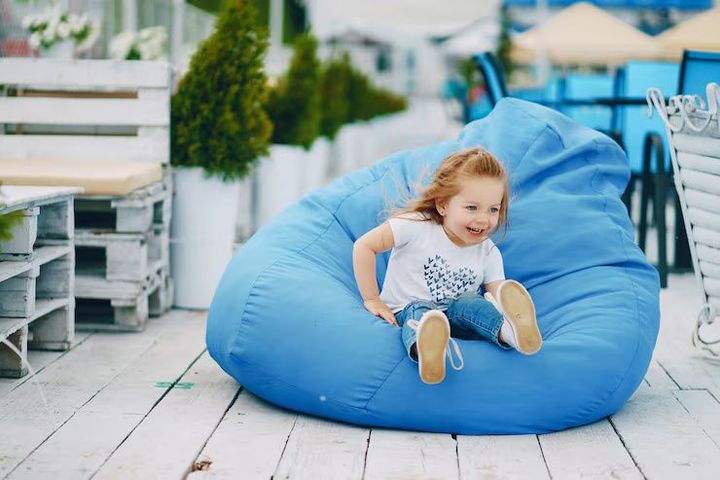
Kids soft seating focuses on comfort, flexibility, and safety in learning and play environments. It includes items like foam chairs, bean bags, soft benches, and floor cushions that allow children to sit in relaxed positions.
This concept supports modern learning by giving children freedom to move, adjust posture, and choose seating that helps them stay engaged. It encourages creativity and interaction while reducing the rigidity of traditional classroom setups.
Importance of Kids Soft Seating Concepts Today
Shift Toward Student-Centered Learning
Modern education emphasizes flexible and student-focused environments. Instead of fixed desks, children benefit from multiple seating options that suit different learning styles.
Soft seating allows children to participate more actively and comfortably in classroom activities.
Ergonomic and Health Benefits
Sitting for long periods on rigid furniture can affect posture and concentration. Soft seating supports natural movement and reduces physical discomfort.
This helps improve focus, well-being, and overall learning experience.
Encouraging Creativity and Collaboration
Comfortable seating arrangements promote interaction among children. They create spaces for storytelling, group discussions, and creative activities.
These environments make learning more engaging and enjoyable.
Practical Benefits of Soft Seating
Soft seating helps address several common challenges in classrooms and homes:
-
Reduces physical discomfort during long activities
-
Supports flexible classroom layouts
-
Encourages reading and quiet time
-
Creates calming environments for emotional regulation
-
Provides safe seating for younger children
It is also useful in inclusive environments, where children with sensory needs benefit from softer and more adaptable seating.
Recent Updates and Trends in 2025
Flexible Classroom Furniture
Schools are increasingly adopting modular furniture systems. These allow easy rearrangement of seating for different activities like group work or quiet study.
This flexibility supports dynamic and interactive learning environments.
Sustainable Materials
There is a growing focus on eco-friendly furniture. Many products now use recycled foam, non-toxic fabrics, and sustainable materials.
This aligns with environmental awareness and safer indoor spaces.
Sensory-Friendly Seating
Designers are introducing seating options that support sensory needs, such as:
-
Weighted cushions
-
Rocking soft seats
-
Floor pods with gentle support
-
Noise-reducing seating areas
These features help children manage stress and improve focus.
Integration with Technology
Soft seating is now being combined with digital learning spaces. Examples include tablet-friendly reading corners and interactive learning pods.
This supports modern hybrid learning methods.
Use of Color Psychology
Calming colors like blue, green, and neutral tones are widely used. These colors create relaxed and focused learning environments.
This trend highlights the importance of emotional well-being in education.
Regulations and Safety Policies
Key Safety Requirements
Children’s furniture must meet strict safety standards to ensure protection. Important areas include:
-
Use of non-toxic materials
-
Fire-resistant upholstery
-
Stable and tip-resistant designs
-
Durable construction for heavy use
-
Easy cleaning and hygiene maintenance
Regional Safety Guidelines
Different regions follow specific safety frameworks:
-
United States: Consumer Product Safety Commission (CPSC) guidelines
-
European Union: EN safety standards for furniture
-
India: Childcare and educational safety recommendations
These regulations ensure that soft seating remains safe and reliable for children.
Environmental Compliance
Manufacturers are also required to limit harmful chemicals in materials. This improves both safety and environmental impact.
Such policies encourage sustainable and responsible production practices.
Tools and Resources for Designing Soft Seating Spaces
Planning Tools
Designing effective seating spaces requires proper tools and research. Common resources include:
-
Classroom layout planning software
-
Interior design visualization tools
-
Child development research databases
-
Ergonomic guidelines
-
Safety compliance checklists
These tools help create functional and comfortable learning environments.
Types of Soft Seating and Their Uses
| Seating Type | Common Environment | Purpose |
|---|
| Floor Cushions | Reading corners | Quiet learning and storytelling |
| Foam Chairs | Classrooms | Flexible individual seating |
| Modular Seating Blocks | Activity rooms | Group collaboration |
| Bean Bags | Libraries | Relaxed reading spaces |
| Soft Benches | Play areas | Shared seating and interaction |
Example Learning Zone Layout
| Learning Zone | Seating Style | Activity |
|---|
| Reading Zone | Cushions, bean bags | Independent reading |
| Collaboration Area | Modular seating | Group learning |
| Quiet Space | Soft pods | Relaxation and reflection |
| Creative Area | Floor seating | Art and creative tasks |
These layouts help educators organize spaces that support different learning activities effectively.
Frequently Asked Questions
What is kids soft seating?
Kids soft seating refers to cushioned furniture designed for children, such as bean bags, foam chairs, and floor cushions. It is commonly used in classrooms, libraries, and play areas.
Why is soft seating beneficial?
It improves comfort, supports flexible movement, and encourages active participation in learning activities.
Is soft seating safe?
Yes, when it follows proper safety standards. It typically includes non-toxic materials and stable designs to reduce risks.
Where is it used?
Soft seating is used in schools, childcare centers, libraries, therapy spaces, and homes.
How does it support learning?
It promotes engagement, collaboration, and independent learning by allowing children to choose comfortable seating positions.
Conclusion
Kids soft seating represents a shift toward more flexible and child-friendly environments. It replaces rigid seating with comfortable options that support movement and creativity.
These solutions improve engagement, encourage collaboration, and create calming spaces for children. They also support inclusive learning and emotional well-being.
With trends like sustainable materials, sensory-friendly designs, and modular furniture, soft seating continues to evolve. It plays a key role in creating modern learning spaces that meet the needs of today’s children.