Kundan Bangles Guide: Designs, Cultural Significance, and How to Choose the Right Pair
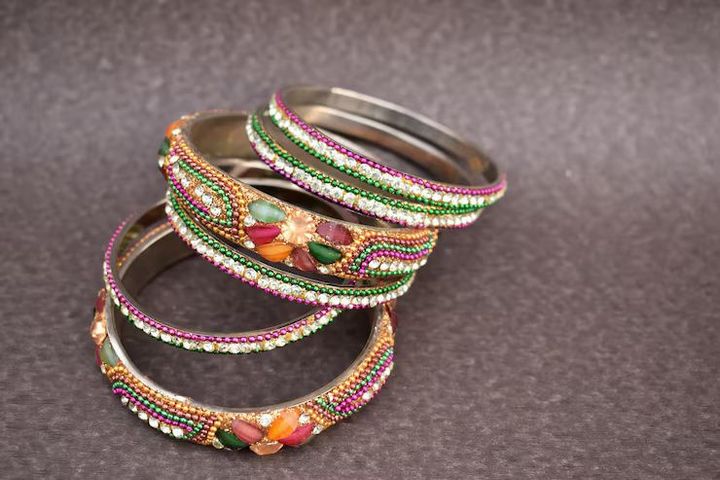
Kundan bangles are traditional pieces of Indian jewelry known for their intricate craftsmanship and gemstone settings. The word “Kundan” refers to highly refined gold used to set stones into jewelry without prongs. This technique has been practiced in South Asia for centuries and remains a defining element of many classic jewelry styles.
Kundan jewelry originated during the Mughal era, when skilled artisans developed advanced gemstone-setting techniques. These craftsmen used layers of purified gold foil to embed gemstones into a gold base, creating intricate and luxurious ornaments.
The technique emphasized both the brilliance of gemstones and the richness of traditional craftsmanship. Over time, Kundan bangles became an important part of cultural attire, especially for festivals and weddings.
Common Design Elements
Kundan bangles are known for their distinctive artistic features. These elements contribute to their cultural and aesthetic value.
- Polki diamonds or uncut gemstones
- Meenakari enamel work on the inner surface
- Floral and geometric patterns
- Symmetrical gemstone arrangements
- Gold or gold-plated bases
Why Kundan Bangles Remain Important Today
Kundan bangles continue to hold cultural and artistic significance in modern society. They represent a blend of heritage craftsmanship and traditional jewelry-making techniques preserved across generations.
They are widely associated with ceremonial attire, including bridal jewelry and festive outfits. In many communities, jewelry serves as a form of cultural expression and identity.
Industries and Professionals Involved
Several professions are connected to the preservation and evolution of Kundan jewelry.
- Jewelry designers and artisans
- Cultural historians and researchers
- Fashion designers
- Museum curators
- Gemstone specialists
The continued study of Kundan jewelry supports cultural preservation. It also helps maintain traditional craftsmanship in a rapidly evolving global fashion industry.
Recent Developments and Trends
In 2024 and early 2025, Kundan jewelry gained renewed attention through exhibitions and cultural heritage events. These initiatives highlighted traditional gemstone-setting techniques and their historical importance.
Designers are increasingly blending traditional aesthetics with modern preferences. This has led to innovative interpretations of classic Kundan styles.
Emerging Design Trends
- Lightweight Kundan bangles for daily wear
- Minimalist gemstone layouts
- Combination of Kundan with pearls or enamel
- Revival of antique-style handcrafted pieces
Technology has also influenced jewelry design. Computer-aided design (CAD) tools allow designers to experiment with patterns and structures before production.
Sustainability is another growing focus. The industry is discussing ethical sourcing of gemstones and responsible gold supply chains.
Regulations and Policies Affecting Jewelry Production
Jewelry production is regulated to ensure quality, transparency, and ethical practices. In India, gold purity is monitored through hallmarking by the Bureau of Indian Standards (BIS).
These regulations help protect consumers and maintain trust in the jewelry market.
Key Regulatory Factors
- BIS hallmark certification for gold purity
- Import rules for precious metals and gemstones
- Consumer protection laws for labeling
- Environmental regulations for mining
International guidelines also promote responsible sourcing and environmentally friendly practices.
Tools and Resources for Jewelry Learning
Various tools and educational platforms help individuals understand jewelry design and craftsmanship. These resources are widely used by designers, students, and enthusiasts.
Common Learning Tools
- Jewelry design software (CAD platforms)
- Gemstone identification guides
- Jewelry history databases
- Museum archives
- Online design courses
Jewelry Design Techniques Comparison
| Jewelry Technique | Key Feature | Typical Use |
|---|---|---|
| Kundan Setting | Stones set with refined gold foil | Traditional Indian jewelry |
| Prong Setting | Metal claws hold gemstone | Modern fine jewelry |
| Bezel Setting | Stone surrounded by metal rim | Contemporary designs |
| Channel Setting | Stones placed between metal channels | Wedding bands and bracelets |
Jewelry Design Workflow
| Step | Process |
|---|---|
| Design Concept | Sketch or digital model |
| Gemstone Layout | Plan stone placement |
| Material Selection | Choose gold, enamel, stones |
| Prototype Creation | Test structure |
| Final Production | Craft or manufacture piece |
Frequently Asked Questions About Kundan Bangles
What makes Kundan bangles unique?
Kundan bangles use a gemstone-setting technique that involves placing stones into refined gold foil. This differs from modern methods like prong or bezel settings.
Are Kundan bangles always made of gold?
Traditionally, gold is used as the base metal. However, modern versions may use gold-plated materials while maintaining the same technique.
What gemstones are used?
Common stones include Polki diamonds, emeralds, rubies, sapphires, and glass stones designed to resemble natural gems.
Why are they popular in weddings?
Their detailed design and historical association with royal traditions make them suitable for ceremonial occasions.
How old is Kundan jewelry?
Kundan jewelry dates back several centuries and was refined during the Mughal period between the 16th and 19th centuries.
Cultural and Artistic Insights
Kundan bangles reflect a deep connection between jewelry and cultural storytelling. Their designs often incorporate symbolic motifs inspired by nature and traditional art.
Common Motifs
- Lotus patterns symbolizing purity
- Peacock designs representing beauty
- Floral patterns influenced by Mughal art
- Symmetrical arrangements representing harmony
Many Kundan bangles also feature Meenakari work on the inner surface. This dual-sided design highlights the attention to detail in traditional craftsmanship.
Conclusion
Kundan bangles represent centuries of artistic tradition and cultural significance. Originating during the Mughal era, they continue to influence modern jewelry design while preserving traditional craftsmanship.
Recent trends show a growing interest in heritage-inspired designs and sustainable practices. At the same time, regulatory standards and digital tools are helping maintain quality and innovation.
Understanding Kundan bangles offers valuable insight into gemstone artistry, cultural heritage, and the enduring appeal of traditional jewelry in a modern world.