Kundan Jewellery Insights: Explore Royal Designs, Craft Techniques and Modern Trends
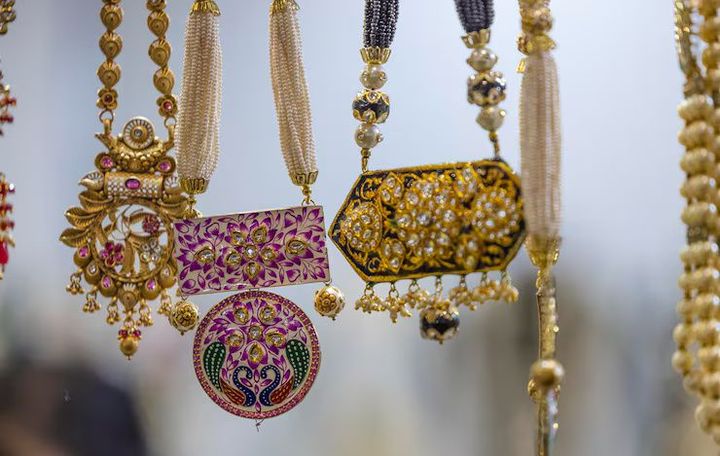
Kundan jewellery is a traditional form of gemstone jewellery known for its elaborate craftsmanship and historical significance. Originating in the royal courts of the Indian subcontinent centuries ago, this style involves setting carefully shaped gemstones into a base of highly refined gold foil. The term “Kundan” refers to the pure gold used in the setting process, which allows stones to be mounted without visible prongs.
Kundan jewellery is a traditional Indian jewellery style that originated during the Mughal era. It is known for its intricate craftsmanship, vibrant gemstones, and detailed gold work. This jewellery form has long been associated with royal adornment and ceremonial occasions.
Unlike modern mass-produced jewellery, Kundan jewellery relies heavily on manual artistry. Skilled artisans embed gemstones into layers of gold foil, creating elaborate and decorative designs. This handcrafted approach gives each piece a unique identity.
Several techniques are commonly associated with Kundan jewellery:
- Jadau setting – Embedding stones into softened gold
- Meenakari work – Enamel decoration on the reverse side
- Polki diamonds – Use of uncut natural diamonds
The result is a jewellery style that blends historical craftsmanship with decorative elegance.
Why Kundan Jewellery Remains Important Today
Kundan jewellery continues to hold cultural, artistic, and economic significance in modern times. It plays a vital role in preserving traditional craftsmanship while adapting to contemporary fashion trends.
One key reason for its relevance is the continuation of age-old techniques passed down through generations. These methods maintain the authenticity and heritage associated with royal jewellery traditions.
Cultural Heritage
Kundan jewellery represents centuries of artistic excellence. It reflects the influence of royal courts and traditional Indian festivals.
Fashion and Design
Modern designers are incorporating Kundan elements into contemporary collections. This fusion allows traditional jewellery to reach global fashion markets.
Handcrafted Jewellery Industry
The production of Kundan jewellery supports artisan communities. It also promotes traditional workshops that rely on skilled manual labor.
Ceremonial Jewellery
Kundan pieces are widely used in weddings and cultural celebrations. They complement traditional attire with their elaborate and vibrant designs.
Recent Developments and Trends in Kundan Jewellery (2024–2025)
In recent years, Kundan jewellery has evolved to meet modern design preferences. Designers are experimenting with new techniques while maintaining traditional aesthetics.
Fashion reports from 2024 and early 2025 highlight a growing interest in blending heritage styles with contemporary usability.
Key Trends
- Lightweight designs – Easier to wear for everyday use
- Digital design tools – CAD software for precise pattern creation
- Sustainable practices – Ethical sourcing of gemstones
- Global fashion integration – Presence in international fashion shows
- Heritage documentation – Digitization of historical jewellery collections
Trend Overview Table
| Trend Category | Description | Industry Impact |
|---|---|---|
| Lightweight Designs | Smaller stones and simplified structures | Expands everyday usability |
| Digital Design Planning | CAD-based jewellery modeling | Improves precision and efficiency |
| Heritage Revival | Mughal-inspired traditional patterns | Strengthens cultural storytelling |
| Sustainable Materials | Ethical gemstone sourcing | Supports responsible practices |
These developments demonstrate how traditional jewellery adapts to modern design environments.
Regulations and Policies Affecting Jewellery Manufacturing
Jewellery production is influenced by various regulations in India and globally. These frameworks ensure quality, transparency, and ethical sourcing.
In India, the Bureau of Indian Standards (BIS) regulates gold purity through hallmarking. This system helps consumers verify the authenticity of jewellery.
Key Regulatory Considerations
- BIS hallmarking for gold purity
- Export regulations for gemstones and metals
- Consumer protection laws for authenticity
- Environmental regulations for production processes
Global initiatives like the Kimberley Process Certification Scheme regulate diamond trade. These policies ensure ethical sourcing and prevent illegal practices.
Intellectual property laws may also protect unique jewellery designs. This helps preserve originality in artistic craftsmanship.
Useful Tools and Resources for Jewellery Learning and Design
Digital tools have become essential in modern jewellery design. They help bridge the gap between traditional craftsmanship and contemporary technology.
These tools support design accuracy, visualization, and cultural documentation.
Common Tools
- CAD software for jewellery design
- 3D modelling platforms
- Gemstone identification databases
- Cultural heritage archives
- Jewellery sketching templates
Educational Resources
- Online jewellery design courses
- Museum archives
- Digital catalogues
- Academic research publications
Tools Overview Table
| Tool Category | Purpose |
|---|---|
| CAD Design Software | Creating precise jewellery patterns |
| Gemstone Databases | Identifying stone types and properties |
| 3D Visualization Tools | Simulating jewellery designs |
| Cultural Archives | Documenting traditional techniques |
These resources help designers and researchers understand both technical and cultural aspects of jewellery.
Frequently Asked Questions
What is Kundan jewellery made of?
Kundan jewellery uses refined gold foil to set gemstones into intricate patterns. The stones are secured without prongs, creating a smooth finish.
How is Kundan jewellery different from Polki jewellery?
Kundan refers to the setting technique, while Polki refers to uncut natural diamonds. Polki stones are often used within Kundan jewellery.
Why is Kundan jewellery associated with royal heritage?
It originated during the Mughal era and was widely used in royal courts. Its detailed craftsmanship made it a symbol of prestige.
What gemstones are commonly used?
Common gemstones include rubies, emeralds, sapphires, and glass stones designed to imitate precious gems.
Is Kundan jewellery still handcrafted today?
Yes, many pieces are still made using traditional manual techniques. However, digital tools are sometimes used for design planning.
Conclusion
Kundan jewellery represents a blend of cultural heritage, artistic craftsmanship, and historical significance. Originating from royal traditions, it continues to influence modern jewellery design.
Its unique gold-setting techniques and vibrant gemstone arrangements distinguish it from other jewellery styles. Today, it remains an important part of ceremonial wear and heritage fashion.
Recent trends show a shift toward combining traditional artistry with modern tools and sustainable practices. At the same time, regulatory frameworks ensure transparency and ethical production.
Kundan jewellery stands as a strong example of how traditional craftsmanship can evolve while preserving its historical essence.