Laser Hair Removal Safety: Complete Guide to Safe and Effective Treatment
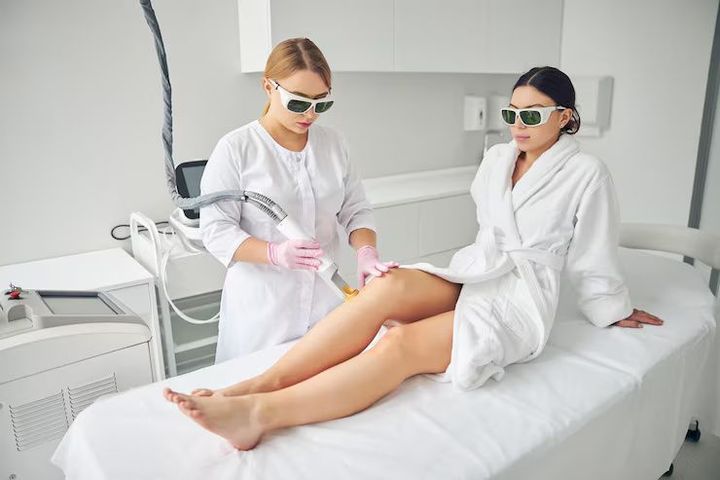
Laser hair removal is a medical-aesthetic procedure that uses concentrated light energy to reduce unwanted hair growth. The laser targets pigment within the hair follicle, generating heat that weakens or damages the follicle. Over time, repeated sessions can lead to slower hair growth and thinner hair strands.
Laser hair removal is a cosmetic dermatology procedure designed to reduce unwanted hair using concentrated light energy. The method provides a longer-lasting alternative to temporary hair removal techniques such as shaving, waxing, and depilatory creams.
Traditional methods often require frequent maintenance, while laser technology aims to reduce hair regrowth over multiple treatment cycles. Modern systems are widely used in dermatology clinics, cosmetic practices, and medical spas.
Laser devices rely on advanced optical technologies and cooling systems to improve both precision and skin comfort. Treatment planning typically depends on skin type, hair thickness, and hair growth cycles.
Types of Lasers Used
Different laser technologies are used depending on skin tone and hair characteristics. Each laser interacts uniquely with pigmentation and hair follicles.
| Laser Type | Typical Wavelength | Suitable Skin Types |
|---|---|---|
| Alexandrite Laser | 755 nm | Light to medium skin tones |
| Diode Laser | 800–810 nm | Wide range of skin types |
| Nd:YAG Laser | 1064 nm | Darker skin tones |
| Ruby Laser | 694 nm | Light skin tones |
Laser hair removal is commonly used on areas such as the face, underarms, legs, chest, back, and bikini line.
Why Laser Hair Removal Safety Matters Today
Laser hair removal has become increasingly popular as interest in aesthetic procedures grows worldwide. With this growth, awareness of safety and proper usage has also become more important.
Laser devices produce high-intensity light energy, which requires careful handling. Incorrect settings or improper use may lead to skin irritation, burns, or pigmentation changes.
Technological advancements have improved precision and efficiency, but they also demand stricter safety protocols and professional supervision. Safety considerations are especially important for diverse skin types and medical conditions.
Who Needs Extra Caution
Certain individuals may require additional safety measures during treatment:
- Individuals with darker skin tones
- People with sensitive or reactive skin
- Patients taking medications affecting skin sensitivity
- Individuals with dermatological conditions
Key Safety Considerations
Proper precautions help reduce risks and improve treatment outcomes:
- Skin assessment before treatment
- Use of protective eyewear
- Correct laser settings based on skin type
- Cooling techniques to protect the skin
Safety Priorities Overview
| Safety Factor | Purpose |
|---|---|
| Skin evaluation | Determines appropriate laser settings |
| Eye protection | Prevents retinal damage |
| Patch testing | Assesses skin reaction before full treatment |
| Cooling systems | Reduces heat impact on skin surface |
Safety awareness helps individuals understand both the benefits and limitations of laser technology.
Recent Developments in Laser Hair Removal Technology
Advancements in aesthetic technology have significantly influenced laser hair removal practices in 2024 and early 2025. These improvements focus on enhancing safety, efficiency, and treatment outcomes.
One major development is the introduction of advanced cooling systems. Modern devices now include contact cooling or cryogen spray cooling to protect the skin during procedures.
Another trend is the integration of artificial intelligence for automated skin analysis. These tools assist practitioners in selecting optimal energy settings based on skin tone and hair characteristics.
Key Technological Improvements
- Faster pulse repetition rates for quicker sessions
- Improved diode laser efficiency for multiple skin types
- Integrated sensors to monitor skin temperature
- Smart interfaces that guide treatment parameters
Hybrid laser platforms combining multiple wavelengths are also gaining popularity. These systems aim to improve effectiveness across diverse skin tones.
Educational initiatives and professional training programs have expanded to include safety protocols, skin typing, and risk management. This reflects the industry’s focus on safer and more reliable treatments.
Regulations and Policies Related to Laser Hair Removal
Laser hair removal devices are regulated as medical or aesthetic equipment in many countries. These regulations focus on safety, quality standards, and professional practices.
In the United States, the Food and Drug Administration (FDA) evaluates these devices for safety and effectiveness before market approval. Medical professionals must also follow safety guidelines during procedures.
In the European Union, devices fall under the Medical Device Regulation (MDR), which sets standards for manufacturing, clinical evaluation, and monitoring.
Common Regulatory Areas
- Laser safety training requirements
- Protective eyewear standards
- Device maintenance protocols
- Reporting of adverse events
International standards from organizations such as the International Electrotechnical Commission (IEC) are also widely followed. These frameworks help ensure responsible use of laser technologies.
Helpful Tools and Educational Resources
Various tools and resources support safe understanding of laser hair removal. These materials help individuals learn about skin types, treatment planning, and risk prevention.
Common resources include dermatology websites, regulatory databases, and scientific research journals. These sources provide reliable information about laser safety and clinical outcomes.
Useful Resources
- Fitzpatrick Skin Type scale
- Dermatology educational platforms
- Medical device regulatory databases
- Laser safety training materials
- Cosmetic dermatology research journals
Fitzpatrick Skin Type Classification
| Skin Type | Description |
|---|---|
| Type I | Very fair skin, burns easily |
| Type II | Fair skin, burns easily |
| Type III | Medium skin tone |
| Type IV | Olive or light brown skin |
| Type V | Brown skin |
| Type VI | Dark brown or black skin |
This classification helps determine appropriate laser settings and treatment approaches.
Frequently Asked Questions About Laser Hair Removal Safety
Is laser hair removal considered safe?
Laser hair removal is generally considered safe when performed with approved equipment and proper safety protocols. Skin evaluation and protective measures help minimize risks.
Can it be used on all skin types?
Modern technologies can treat a wide range of skin tones. However, settings must be carefully adjusted based on individual skin type and hair color.
What are common side effects?
Temporary redness, mild swelling, or slight sensitivity may occur. These effects usually resolve within a short time.
Why is eye protection necessary?
Laser exposure can damage the eyes if not properly managed. Protective eyewear is essential to prevent injury.
How many sessions are required?
Multiple sessions are typically needed because hair grows in cycles. Treatments target follicles during active growth phases.
Conclusion
Laser hair removal is an advanced method for reducing unwanted hair using focused light energy. As its popularity grows, understanding safety measures has become increasingly important.
Proper skin evaluation, protective equipment, and adherence to regulations play a key role in ensuring safe treatment. Technological advancements such as cooling systems, AI tools, and hybrid lasers have improved both safety and effectiveness.
Ongoing research, professional training, and regulatory frameworks continue to guide the responsible use of laser technology. Access to reliable educational resources helps individuals make informed decisions about cosmetic dermatology procedures.