Learn About Electronics Making and the Fundamentals of Electronic Product Development
Electronics are part of nearly every aspect of modern life, from smartphones and home appliances to medical equipment, industrial machinery, vehicles, and communication systems.
Behind every electronic product is a structured process that transforms an idea into a functional, tested, and reliable device.
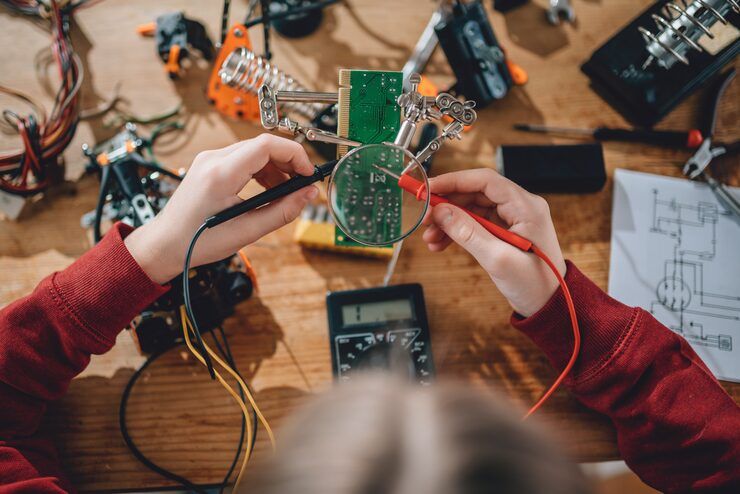
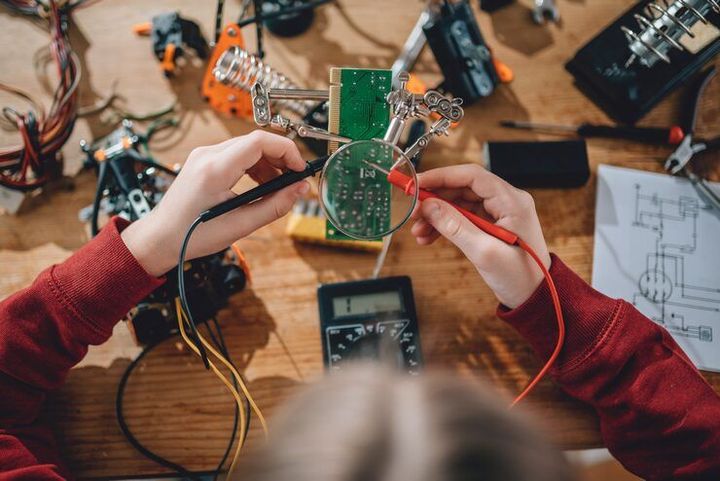
Electronics making involves much more than assembling components on a circuit board. It includes product planning, electronic design, component selection, printed circuit board development, prototyping, assembly, testing, quality control, and preparation for larger-scale production. Understanding these stages provides valuable insight into how electronic products move from an initial concept to finished devices.
This guide explains the fundamentals of electronics manufacturing, explores the major stages of electronic product development, and examines how custom electronics manufacturing and electronic device manufacturing support modern technology.
What Is Electronics Making?
Electronics making refers to the broad process of designing, developing, assembling, testing, and producing electronic devices and systems.
The process may involve simple products with a small number of components or highly sophisticated systems containing processors, sensors, wireless communication modules, and complex software.
Typical electronic products include:
- Consumer electronics
- Industrial control systems
- Medical devices
- Automotive electronics
- Communication equipment
- Smart home products
- Measuring instruments
- Power management systems
Each product requires a different combination of hardware, software, materials, and manufacturing techniques.
The Electronic Product Development Process
Electronic product development generally follows a series of connected stages. While the exact process varies by product, most projects begin with an idea and gradually move toward engineering validation and production.
A typical development cycle includes:
- Defining the product requirements
- Creating the electronic architecture
- Designing the circuit
- Developing the printed circuit board
- Building prototypes
- Testing and debugging
- Validating performance
- Preparing for manufacturing
- Conducting production testing
- Monitoring quality and reliability
The objective is to ensure that the final product performs its intended function consistently and safely.
Step 1: Defining Product Requirements
Every successful electronics project begins with clear requirements.
Engineers and product teams identify what the device needs to accomplish and determine important technical characteristics such as:
- Power requirements
- Operating environment
- Processing capabilities
- Connectivity
- Physical dimensions
- User interface
- Safety requirements
- Expected operating life
Clear requirements help guide later design decisions and reduce unnecessary changes during development.
Step 2: Electronic Circuit Design
Once requirements are established, engineers create the electronic architecture.
This stage determines how different components interact within the system. Depending on the product, the design may include microcontrollers, processors, sensors, memory, power management circuits, communication modules, and other components.
Circuit design must consider both functionality and reliability. Engineers also evaluate electrical performance, thermal conditions, signal integrity, and electromagnetic compatibility.
Step 3: Printed Circuit Board Development
The printed circuit board, commonly known as a PCB, provides the physical foundation for many electronic devices.
During PCB development, engineers determine how components will be positioned and how electrical connections will be routed.
Important considerations include:
- Component placement
- Circuit routing
- Power distribution
- Heat management
- Signal integrity
- Board dimensions
- Manufacturing requirements
A well-designed PCB supports reliable operation while making the device easier to assemble and test.
Step 4: Prototyping and Testing
Before entering full production, manufacturers typically develop prototypes.
Prototypes allow engineers to evaluate whether the product performs according to its specifications.
Testing may examine:
- Electrical performance
- Functional operation
- Temperature behavior
- Power consumption
- Mechanical durability
- Communication performance
- Software interaction
Testing often reveals design issues that may not be visible during the initial engineering stage.
Electronics Manufacturing and Assembly
Electronics manufacturing transforms engineered designs into physical products.
One of the most important stages is PCB assembly, where electronic components are mounted onto circuit boards.
Modern assembly processes may include automated equipment that places components with high precision. Soldering processes then establish reliable electrical connections.
After assembly, circuit boards may undergo inspection and functional testing before being integrated into complete products.
Manufacturing environments often combine automation with skilled human oversight to maintain quality and production consistency.
Understanding Custom Electronics Manufacturing
Custom electronics manufacturing focuses on producing devices or electronic assemblies designed for specific applications rather than general-purpose consumer use.
Custom products may be developed for:
- Industrial automation
- Medical technology
- Automotive systems
- Specialized sensors
- Energy management
- Scientific instruments
- Communication systems
The development process often requires close coordination between product designers, engineers, and manufacturing teams.
Custom electronics manufacturing can involve specialized circuit boards, unique enclosures, embedded software, or application-specific components.
Electronic Device Manufacturing
Electronic device manufacturing involves assembling complete electronic products from individual components and subassemblies.
The process may include:
- PCB assembly
- Mechanical assembly
- Cable installation
- Enclosure integration
- Software installation
- Functional testing
- Final inspection
- Packaging preparation
The exact process depends on the product's design and complexity.
For example, a smart device may require wireless testing and software configuration, while an industrial controller may require extensive environmental and reliability testing.
Quality Control in Electronics Manufacturing
Quality control is essential because even a small manufacturing defect can affect the performance of an electronic device.
Manufacturers use several methods to identify potential problems.
These may include:
- Visual inspection
- Automated optical inspection
- Electrical testing
- Functional testing
- X-ray inspection for selected assemblies
- Environmental testing
- Reliability testing
Quality systems also track production data to identify recurring issues and support continuous improvement.
The Role of Automation
Automation has transformed modern electronics manufacturing.
Automated systems can perform highly repetitive tasks with consistent precision, including component placement, soldering, inspection, and testing.
Benefits of automation include:
- Consistent assembly
- Improved production efficiency
- Reduced human error
- Better process monitoring
- Faster inspection
- Detailed production data
However, automation does not eliminate the need for skilled professionals. Engineers, technicians, quality specialists, and production teams remain essential for equipment management, troubleshooting, process development, and product validation.
Materials and Components in Electronics Making
Electronic devices rely on a wide variety of materials and components.
Common components include:
- Resistors
- Capacitors
- Diodes
- Transistors
- Integrated circuits
- Microcontrollers
- Sensors
- Connectors
- Batteries
- Communication modules
The choice of components affects product performance, durability, power consumption, and manufacturability.
Engineers must also consider component availability and lifecycle management during product development.
Challenges in Electronic Product Development
Developing an electronic product involves several challenges.
Component Availability
Electronic components may become difficult to source due to market changes or manufacturing disruptions. Designers often consider alternative components during development.
Thermal Management
Electronic devices generate heat during operation. Effective thermal design helps prevent overheating and supports reliable performance.
Miniaturization
Modern products increasingly require smaller components and compact circuit boards while maintaining functionality.
Regulatory Requirements
Many electronic devices must meet applicable safety, electromagnetic compatibility, and environmental requirements before entering specific markets.
Product Reliability
Devices may need to operate consistently under different temperatures, humidity levels, vibration conditions, or usage patterns.
Trends Shaping Electronics Making
The electronics industry continues to evolve as technology becomes more connected and intelligent.
Important trends include:
- Internet of Things devices
- Artificial intelligence-enabled electronics
- Flexible circuit technologies
- Miniaturized components
- Advanced sensor systems
- Edge computing
- Energy-efficient electronics
- Automated inspection
- Digital manufacturing systems
Sustainability is also becoming increasingly important. Manufacturers are exploring energy-efficient production methods, recyclable materials, longer product lifecycles, and improved electronic waste management.
Frequently Asked Questions
What is electronics making?
Electronics making is the process of designing, developing, assembling, testing, and producing electronic devices and systems.
What is the difference between electronics manufacturing and electronic device manufacturing?
Electronics manufacturing can include the production of individual components and circuit board assemblies, while electronic device manufacturing generally refers to producing complete finished electronic products.
What does custom electronics manufacturing involve?
Custom electronics manufacturing involves producing electronic products or assemblies designed for specific technical requirements or specialized applications.
Why is PCB design important in electronics manufacturing?
PCB design determines how electronic components connect and interact. A well-designed board supports reliable electrical performance, efficient assembly, thermal management, and product durability.
How does testing improve electronic products?
Testing identifies design and manufacturing issues before products reach users. It helps verify functionality, reliability, safety, and compliance with applicable requirements.
Conclusion
Electronics making is a multidisciplinary process that combines electrical engineering, software development, mechanical design, manufacturing, automation, and quality control. From defining product requirements to designing circuits, developing PCBs, creating prototypes, assembling components, and conducting final testing, every stage contributes to the performance and reliability of the finished product.
As electronics manufacturing continues to advance, technologies such as automation, connected devices, artificial intelligence, miniaturization, and sustainable production are shaping the future of electronic product development. Whether producing consumer technology, industrial equipment, medical devices, or specialized systems, a structured approach to design and manufacturing remains essential for creating reliable electronics that meet the demands of modern applications.