Learn About Smart Security Camera Features and Functions
Security systems have changed significantly as homes, businesses, and public spaces become more connected through digital infrastructure.
Traditional surveillance systems once focused mainly on recording footage, but modern environments now require faster detection, intelligent monitoring, and real-time response capabilities.
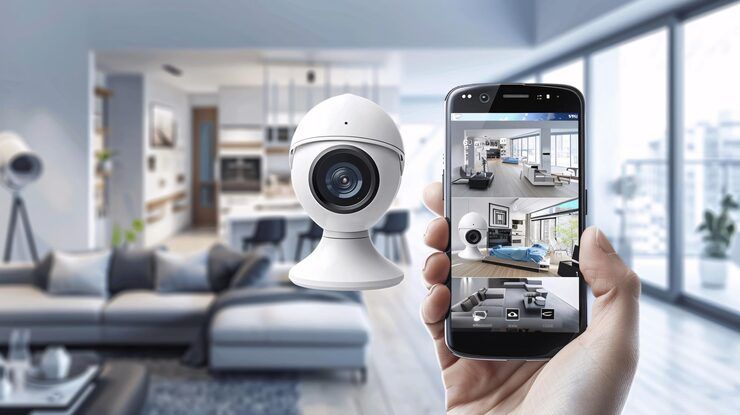
This shift has increased the importance of smart security cameras in modern surveillance systems. These devices do more than capture video. What really matters is how they analyze activity, recognize patterns, and improve situational awareness through AI-powered monitoring.
As security risks evolve, users increasingly expect systems that can identify unusual movement, improve visibility, and reduce unnecessary alerts. Smart security cameras address these challenges by combining imaging technology with intelligent processing systems.
This smart security cameras guide explores how these systems work, what affects their performance, where limitations appear, and how industries and households use them in real-world environments.
Understanding Smart Security Cameras
Smart security cameras are advanced surveillance devices that combine video recording with intelligent monitoring features such as motion detection, AI analysis, and remote accessibility.
Traditional cameras mainly stored footage for later review. Smart systems, however, actively analyze activity while monitoring environments in real time.
This matters because modern security environments often require immediate awareness rather than delayed investigation. The real difference appears when systems can identify suspicious behavior automatically instead of relying entirely on manual monitoring.
Technically, smart security cameras integrate sensors, AI algorithms, cloud connectivity, motion analytics, and video processing systems into one connected platform.
A practical example is a retail environment where cameras identify unusual activity patterns and trigger alerts for security teams instantly.
How Smart Security Cameras Work
Smart security cameras operate through a continuous monitoring and analysis workflow.
The process begins with image capture through high-resolution sensors and lenses. This stage matters because image clarity directly affects detection accuracy and video analysis performance.
The system then processes footage using AI-powered analytics. Motion tracking, object recognition, and behavioral analysis help identify activity patterns.
Many cameras also integrate cloud or local storage systems for recording and retrieval.
Finally, alert systems notify users through connected devices when unusual activity is detected.
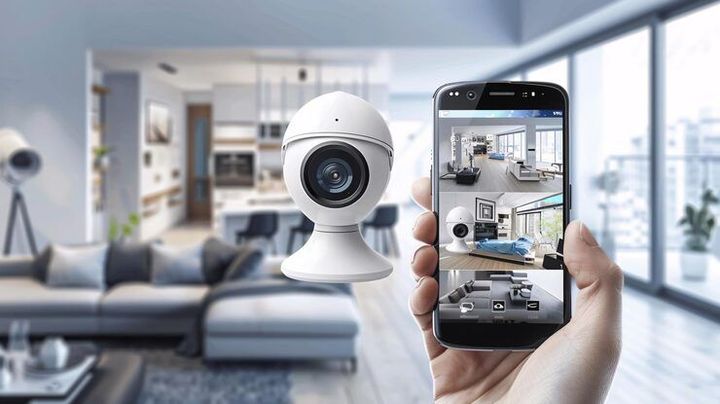
A practical example is a smart home camera identifying motion near entry points and sending instant mobile notifications during nighttime activity.
Key Features That Define Camera Performance
The effectiveness of smart security cameras depends on several connected factors.
One important factor is image quality. Higher resolution improves facial recognition, object tracking, and low-light visibility. What really matters is maintaining clarity in varying environmental conditions.
AI-powered analytics also affect system performance by reducing false alerts and improving activity recognition.
Night vision capability is another major component because surveillance systems often operate continuously across changing lighting conditions.
Connectivity and storage flexibility also influence usability and long-term monitoring efficiency.
The main smart camera performance factors include:
- High-resolution imaging for clearer monitoring
- AI analytics for intelligent detection
- Night vision for low-light environments
- Connected storage for flexible access
Together, these elements determine how effectively smart security cameras operate in real-world surveillance environments.
Benefits of Smart Security Cameras
Smart security cameras improve monitoring efficiency, visibility, and response awareness.
One major advantage is real-time monitoring. Users can observe environments remotely through connected devices and cloud platforms.
Another benefit is intelligent alert systems. AI-powered monitoring reduces unnecessary notifications caused by irrelevant movement.
Video analytics also improve incident investigation by identifying patterns and suspicious behavior more efficiently.
Operational flexibility is another important advantage because modern systems support residential, commercial, and industrial environments.
A practical example is logistics facilities using AI-enabled cameras to monitor warehouse movement and identify unusual operational activity.
Challenges and Limitations
Despite their advantages, smart security cameras also face several challenges.
Privacy concerns remain one of the biggest issues because constant monitoring raises questions about data handling and surveillance boundaries.
Network dependency can also affect system reliability, especially in cloud-connected environments with unstable internet access.
Storage management creates another challenge because high-resolution video requires significant digital capacity.
Environmental conditions such as fog, rain, or low lighting may also reduce image quality and AI detection accuracy.
A real-world example is outdoor surveillance systems experiencing reduced visibility during severe weather conditions despite advanced imaging technologies.
Smart Security Cameras Comparison: Where Differences Appear
Different smart security cameras focus on different operational priorities.
Indoor security cameras
These prioritize compact design, remote monitoring, and residential visibility.
Outdoor surveillance cameras
These focus on weather resistance, night vision, and long-range monitoring.
AI-powered enterprise cameras
These emphasize advanced analytics, crowd monitoring, and operational security integration.
The real difference appears when comparing AI capability, environmental durability, and monitoring range. Some systems prioritize detailed analytics, while others focus more on basic visibility and accessibility.
In many cases, effectiveness depends on environmental complexity and monitoring requirements.
Decision Guide: Evaluating Smart Security Cameras
Evaluating smart security cameras depends on several practical factors.
Monitoring environment is one important consideration because indoor and outdoor systems require different durability and visibility capabilities.
AI functionality also affects system value. Some environments require advanced recognition and activity analysis, while others prioritize simple monitoring.
Storage preferences influence system design as users choose between local recording and cloud-connected systems.
Privacy expectations also play a major role in selecting appropriate monitoring configurations.
A practical example is office environments using smart cameras with access monitoring features while residential systems focus more on entry-point visibility and mobile alerts.
The real difference appears when security visibility and operational simplicity work together effectively.
Real-World Use Cases
Smart security cameras are used across many industries and environments.
Retail businesses monitor customer activity and operational security.
Transportation systems analyze traffic movement and public safety conditions.
Healthcare facilities improve patient and visitor monitoring.
Residential environments use smart cameras for remote property observation.
A clear example is smart city infrastructure using AI-powered surveillance systems to monitor traffic flow and improve public safety awareness.
Future Trends in Smart Security Cameras
The future of smart security cameras is moving toward deeper AI integration and more adaptive surveillance systems.
Edge AI processing is improving local video analysis and reducing cloud dependency.
Facial recognition systems are becoming more advanced, though privacy concerns continue shaping regulations.
Behavioral analytics are improving the ability to identify unusual movement patterns automatically.
Energy-efficient and solar-powered systems are also expanding in remote monitoring environments.
What really matters is how future surveillance systems balance intelligent monitoring with privacy, efficiency, and operational transparency.
FAQ
1. What are smart security cameras?
They are surveillance systems that combine video recording with AI-powered monitoring and analytics.
2. Why are smart security cameras important?
They improve real-time monitoring, detection accuracy, and remote security visibility.
3. How do AI-powered cameras work?
They analyze video footage to identify movement, objects, and behavioral patterns automatically.
4. What affects camera performance?
Image quality, AI analytics, night vision, and connectivity all affect performance.
5. Which environments commonly use smart security cameras?
Homes, offices, retail spaces, healthcare facilities, and transportation systems commonly use them.
Conclusion
Smart security cameras are transforming modern surveillance by combining intelligent analytics, connected monitoring, and real-time visibility into one integrated system. These technologies are helping environments become more responsive, efficient, and security-aware across industries and residential spaces.
The real challenge lies in balancing advanced monitoring capabilities with privacy, reliability, and operational simplicity.