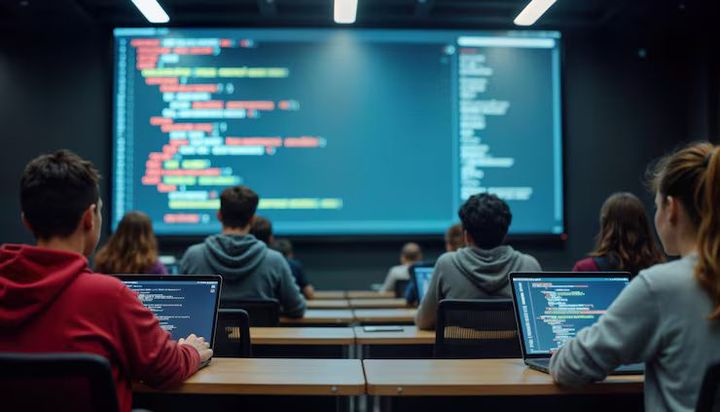
Learn Coding Bootcamp Fundamentals for Building Strong Programming Skills
Technology continues to shape nearly every industry, increasing the demand for individuals with programming knowledge and software development skills.
Whether someone wants to build websites, create applications, automate tasks, analyze data, or simply understand how software works, learning to code has become a valuable skill in today's digital world.
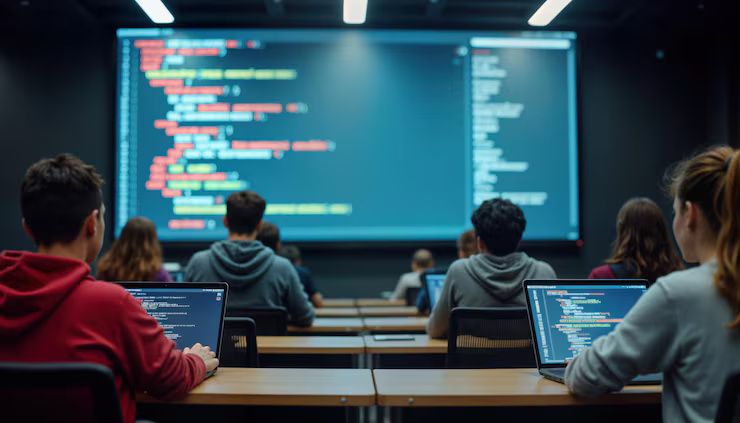
A coding bootcamp offers a structured and practical way to develop programming abilities through project-based learning and guided instruction. Unlike traditional degree programs, many bootcamps emphasize hands-on practice, problem-solving, and real-world development workflows that help learners build confidence while working with modern programming tools.
This guide explains what a coding bootcamp is, how it works, the skills commonly taught, how online learning has expanded access, and what learners should consider before beginning their programming journey.
What Is a Coding Bootcamp?
A coding bootcamp is an intensive learning program designed to teach practical programming and software development skills over a relatively short period. The primary objective is to help learners understand programming concepts through continuous practice, projects, and structured coursework.
Unlike learning entirely through self-study, a programming bootcamp typically follows a planned curriculum that gradually introduces coding concepts while allowing students to apply new knowledge through exercises and projects.
Many learners choose coding bootcamps to build foundational programming knowledge, prepare for technical education, or strengthen existing software development skills.
Why Coding Bootcamps Have Become Popular
As digital technologies continue to evolve, organizations increasingly rely on software solutions across healthcare, finance, manufacturing, education, retail, transportation, and countless other industries.
Coding bootcamps have gained popularity because they often focus on practical learning rather than theory alone.
Several factors contribute to their growing appeal:
- Structured learning paths
- Project-based education
- Hands-on programming practice
- Modern development tools
- Flexible learning formats
- Continuous skill development
- Collaborative learning opportunities
Many learners also appreciate the clear progression from basic programming concepts to more advanced software development techniques.
How a Programming Bootcamp Works
Although every program differs, most software development bootcamps follow a similar educational structure.
Students usually begin by learning programming fundamentals before gradually progressing toward larger projects that combine multiple concepts.
A typical learning sequence includes:
- Programming basics
- Variables and data types
- Conditional statements
- Loops
- Functions
- Object-oriented programming
- Data structures
- Algorithms
- Version control
- Software testing
- Project development
Each topic builds upon previous lessons, helping learners strengthen problem-solving abilities through repeated practice.
Core Skills Taught in Coding Courses
Most coding courses introduce both technical knowledge and practical development skills.
Programming Languages
Learners are introduced to one or more programming languages depending on the curriculum.
Common areas of study include:
- Web programming
- General-purpose programming
- Mobile application development
- Database programming
- Scripting languages
Rather than memorizing syntax, students learn how programming languages solve real-world problems.
Problem Solving
Programming is fundamentally about solving problems logically.
Coding bootcamps encourage learners to:
- Break complex problems into smaller tasks
- Identify patterns
- Design efficient solutions
- Debug software
- Improve code readability
These thinking skills remain valuable regardless of which programming language is used.
Version Control
Modern software projects often involve collaboration among multiple developers.
Many software development bootcamps introduce version control systems that help manage code changes, organize projects, and support teamwork.
Software Development Workflow
Students also become familiar with development practices such as:
- Planning projects
- Writing clean code
- Testing applications
- Fixing errors
- Updating software
- Documenting code
These workflows prepare learners for practical programming environments.
Online Coding Bootcamp Learning
Online education has made programming more accessible than ever before.
An online coding bootcamp allows learners to study from almost anywhere while maintaining flexible schedules that accommodate work, family, or other responsibilities.
Common features of online learning include:
- Video lessons
- Interactive coding exercises
- Live virtual classes
- Discussion communities
- Digital project submissions
- Online assessments
- Collaborative coding sessions
Many online programs also encourage self-paced learning while maintaining structured learning objectives.
What Makes Software Development Bootcamps Different?
A software development bootcamp often emphasizes building complete applications rather than studying isolated programming concepts.
Learners typically experience the full software creation process, including:
| Learning Area | Skills Developed |
|---|---|
| Programming Fundamentals | Variables, loops, functions |
| Front-End Development | User interfaces and responsive design |
| Back-End Development | Servers, databases, APIs |
| Database Management | Data storage and organization |
| Software Testing | Identifying and resolving errors |
| Project Development | Building complete applications |
This project-oriented approach helps connect technical knowledge with practical implementation.
Building Strong Programming Skills
Learning programming requires consistent practice rather than memorization.
Successful learners often focus on developing habits such as:
Writing Code Regularly
Frequent coding helps reinforce concepts and improves confidence over time.
Even short daily practice sessions can strengthen understanding.
Reading Existing Code
Examining well-written programs helps learners understand coding styles, structure, and organization.
Solving Programming Challenges
Working through progressively more difficult exercises improves analytical thinking and debugging abilities.
Building Personal Projects
Creating original projects allows learners to apply multiple programming concepts simultaneously while reinforcing practical experience.
Projects often become valuable learning milestones throughout the educational journey.
Skills Beyond Programming
Coding bootcamps also encourage several transferable professional skills.
These include:
- Logical thinking
- Communication
- Team collaboration
- Time management
- Project planning
- Documentation
- Adaptability
- Continuous learning
These abilities support success not only in software development but also across many technology-related fields.
Choosing the Right Coding Courses
Different coding courses focus on different learning goals.
When evaluating educational options, learners often consider several important factors.
Learning Objectives
Some programs introduce programming fundamentals, while others specialize in web development, data science, cybersecurity, or software engineering.
Choosing a curriculum aligned with personal interests supports long-term learning motivation.
Learning Format
Programs may be available as:
- Full-time instruction
- Part-time learning
- Self-paced education
- Instructor-led online classes
- Hybrid learning
Selecting a format that matches personal schedules improves consistency throughout the learning process.
Practical Experience
Programs emphasizing projects, coding exercises, and software development practice often help reinforce technical concepts more effectively than lecture-based learning alone.
Common Challenges New Programmers Face
Beginning programmers often encounter similar obstacles.
These may include:
Learning New Concepts
Programming introduces unfamiliar terminology and logical structures that require patience and regular practice.
Debugging Errors
Every programmer encounters errors.
Learning to identify, understand, and resolve bugs is an essential part of software development.
Managing Information
Programming involves many interconnected concepts.
Organized note-taking and regular review help learners retain knowledge more effectively.
Staying Consistent
Programming skills improve gradually through repeated practice rather than rapid memorization.
Maintaining a steady learning routine often leads to better long-term progress.
The Importance of Continuous Learning
Technology evolves continuously, making ongoing education an important part of programming.
Even experienced developers regularly learn:
- New programming languages
- Updated frameworks
- Development tools
- Security practices
- Software design methods
- Cloud technologies
- Artificial intelligence applications
A coding bootcamp often serves as a starting point rather than the final stage of programming education.
Developing curiosity and lifelong learning habits helps programmers adapt to changing technologies throughout their careers.
Future Trends in Programming Education
The way programming is taught continues to evolve alongside technological innovation.
Several trends are shaping the future of coding education:
- Artificial intelligence-assisted learning
- Interactive coding platforms
- Cloud-based development environments
- Personalized learning pathways
- Collaborative virtual classrooms
- Real-world project simulations
- Integrated cybersecurity education
- Low-code and no-code awareness alongside traditional programming
These developments aim to make programming education more accessible while helping learners build practical technical skills.
Frequently Asked Questions
What is a coding bootcamp?
A coding bootcamp is a structured educational program that teaches programming and software development skills through practical projects, coding exercises, and guided instruction.
Who can benefit from a programming bootcamp?
Programming bootcamps are suitable for beginners, students, career changers, professionals seeking technical knowledge, and anyone interested in learning software development fundamentals.
What is the advantage of an online coding bootcamp?
An online coding bootcamp offers flexible learning through virtual lessons, coding exercises, collaborative projects, and remote access to educational resources.
Are coding courses suitable for complete beginners?
Yes. Many coding courses begin with programming fundamentals before gradually introducing more advanced concepts through structured learning paths.
Why is project-based learning important in software development bootcamps?
Projects help learners apply programming concepts in realistic situations, strengthen problem-solving abilities, improve confidence, and build practical software development experience.
Conclusion
A coding bootcamp provides a structured pathway for developing strong programming skills through practical learning, hands-on projects, and continuous practice. Whether studying in a classroom or through an online coding bootcamp, learners gain valuable experience in problem-solving, software development workflows, programming fundamentals, and collaborative project work.
As technology continues to influence industries around the world, programming knowledge remains a valuable and adaptable skill. By combining consistent practice, project-based learning, and a commitment to continuous improvement, coding courses and software development bootcamps can help learners build a solid foundation for understanding modern software development while preparing for future technological opportunities.