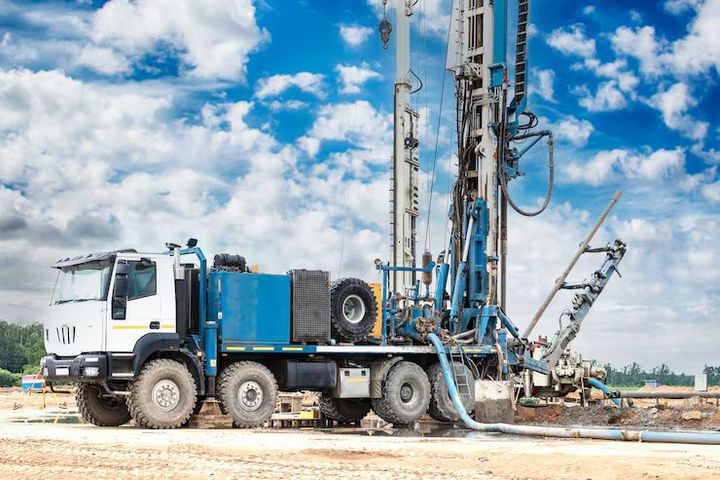
Learn the Basics of Drilling Equipment and How Modern Drilling Systems Work
Drilling equipment is an essential part of many industries, including construction, mining, oil and gas, manufacturing, water well development, and infrastructure projects.
These machines are designed to create holes in various materials such as soil, rock, concrete, metal, and other surfaces with precision and efficiency.
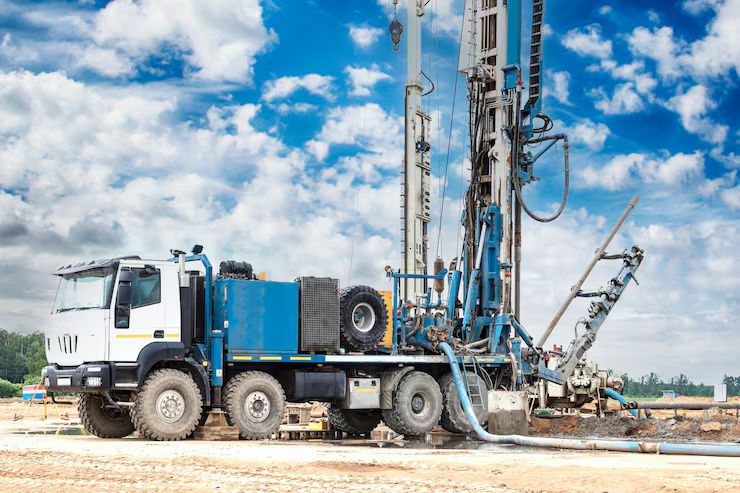
Modern drilling systems have advanced significantly through automation, improved engineering, and digital monitoring technologies. Today's equipment offers greater accuracy, enhanced safety features, higher productivity, and improved operational reliability compared to earlier mechanical systems.
What really matters is that drilling equipment is more than a powerful machine. It is a complete system consisting of mechanical, hydraulic, electrical, and control components working together to perform drilling operations safely and efficiently.
This guide explains the fundamentals of drilling equipment, explores different drilling methods, discusses major system components, and highlights the role of modern drilling technology across various industries.
What Is Drilling Equipment?
Drilling equipment refers to machines and tools designed to create holes in solid materials or the ground for construction, exploration, extraction, installation, or manufacturing purposes.
Depending on the application, drilling equipment may operate using mechanical rotation, percussion, hydraulic systems, pneumatic systems, or combinations of these technologies.
Common uses include:
- Construction projects
- Mining operations
- Oil and gas exploration
- Water well drilling
- Metal fabrication
- Geological investigations
- Infrastructure development
These systems are designed to improve drilling accuracy while supporting efficient operations.
Why Drilling Equipment Is Important
Many industrial and construction activities depend on accurate and reliable drilling.
Proper drilling systems help improve project efficiency, reduce material waste, and support safe installation of foundations, pipelines, utilities, and structural components.
Key benefits include:
- Improved drilling precision
- Higher operational efficiency
- Reduced manual labor
- Better equipment reliability
- Consistent project quality
The real difference appears when drilling systems are selected according to project requirements and material conditions.
How Modern Drilling Systems Work
Although equipment designs vary, most drilling systems follow a similar operational process.
Power Generation
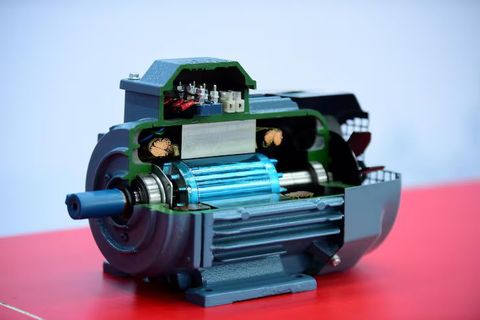
An engine or electric motor provides the energy required for drilling.
Rotary or Percussion Motion
The drill bit rotates, impacts the surface, or combines both actions to penetrate material.
Material Removal
Cuttings or debris are removed using drilling fluids, compressed air, or mechanical systems.
Cooling and Lubrication
Certain drilling operations use fluids to reduce heat and improve drilling efficiency.
Monitoring and Control
Modern control systems help operators monitor drilling depth, speed, pressure, and equipment performance.
Together, these processes create efficient and controlled drilling operations.
Main Components of Drilling Equipment
Modern drilling systems include several important components.
Drill Bit
The cutting tool that penetrates the material.
Drill String
Transfers power and rotational force to the drill bit.
Rotary System
Provides continuous rotational movement.
Power Unit
Supplies mechanical or electrical energy.
Hydraulic System
Controls movement and assists drilling operations.
Control Panel
Allows operators to monitor and manage equipment functions.
Each component contributes to overall drilling performance and operational efficiency.
Common Types of Drilling Equipment
Different projects require different drilling systems.
Rotary Drilling Equipment
Uses continuous rotation to drill through soil, rock, and other materials.
Common applications:
- Oil and gas
- Water wells
- Construction
Percussion Drilling Equipment
Uses repeated impact to break hard materials.
Common applications:
- Mining
- Rock excavation
- Foundation work
Auger Drilling Equipment
Uses spiral augers to remove loose soil and soft materials.
Common applications:
- Soil sampling
- Utility installation
- Geotechnical investigations
Core Drilling Equipment
Extracts cylindrical samples for testing and analysis.
Common applications:
- Geological exploration
- Concrete inspection
- Mineral exploration
Selecting the appropriate drilling method depends on material properties and project objectives.
Industrial Applications
Drilling equipment supports numerous industries.
Construction
Foundation drilling, piling, and structural installations.
Mining
Mineral exploration and extraction.
Oil and Gas
Exploration wells and production drilling.
Water Resources
Water well development and groundwater investigations.
Manufacturing
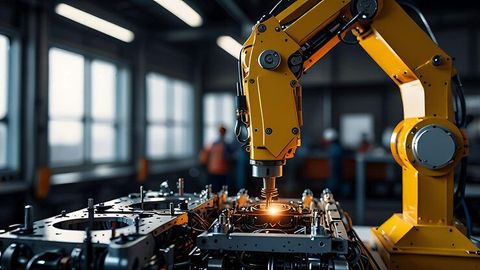
Precision drilling of industrial components.
Infrastructure
Utility installation, bridges, tunnels, and transportation projects.
A practical example is using rotary drilling equipment to install deep building foundations before construction begins.
Safety Features in Modern Drilling Systems
Modern drilling equipment incorporates numerous safety technologies.
Common features include:
- Emergency stop systems
- Protective guards
- Load monitoring
- Stability controls
- Automatic shutdown functions
- Operator warning systems
These features help improve workplace safety and reduce operational risks.
Comparing Common Drilling Equipment
| Equipment Type | Best For | Primary Advantage |
|---|---|---|
| Rotary Drill | Deep Drilling | Continuous Operation |
| Percussion Drill | Hard Rock | High Impact Force |
| Auger Drill | Soil Drilling | Efficient Material Removal |
| Core Drill | Sample Collection | Accurate Core Extraction |
Understanding these differences helps organizations choose equipment suited to specific project requirements.
Maintenance Best Practices
Routine maintenance helps support reliable drilling performance.
Recommended practices include:
- Inspect drill bits regularly.
- Check hydraulic systems.
- Monitor lubrication levels.
- Replace worn components promptly.
- Verify electrical and control systems.
- Clean equipment after operation.
Preventive maintenance may reduce unexpected downtime and extend equipment service life.
The real difference appears when maintenance becomes part of regular operational planning.
Choosing the Right Drilling Equipment
Selecting drilling equipment requires evaluating several important factors.
Considerations include:
- Material being drilled
- Required drilling depth
- Project size
- Site conditions
- Power availability
- Productivity requirements
- Maintenance capabilities
A practical example is choosing an auger drilling system for soil investigation while selecting rotary drilling equipment for deep well construction.
Matching equipment to project requirements supports efficient and reliable operations.
Future Trends in Drilling Technology
Modern drilling technology continues advancing through automation, digital monitoring, and sustainable engineering.
Artificial intelligence is increasingly supporting predictive maintenance and equipment diagnostics. Real-time sensors provide continuous monitoring of drilling conditions, helping operators improve precision and operational safety.
Automation is reducing repetitive manual tasks, while GPS-guided drilling systems improve positioning accuracy on large construction and infrastructure projects.
Energy-efficient hydraulic systems, lower-emission power units, and advanced drilling materials are also contributing to more sustainable industrial operations.
What really matters is that these innovations continue improving drilling efficiency, equipment reliability, worker safety, and project productivity across multiple industries.
FAQ
1. What is drilling equipment?
Drilling equipment consists of machines and tools designed to create holes in soil, rock, concrete, metal, and other materials for construction, exploration, manufacturing, and industrial applications.
2. What industries commonly use drilling equipment?
Construction, mining, oil and gas, water well development, infrastructure, manufacturing, and geological exploration all rely on drilling equipment.
3. What are the main types of drilling equipment?
Common types include rotary drills, percussion drills, auger drills, and core drilling systems.
4. Why is maintenance important for drilling equipment?
Routine maintenance helps improve reliability, supports safe operation, reduces unexpected downtime, and extends equipment lifespan.
5. What factors should be considered when selecting drilling equipment?
Material type, drilling depth, project requirements, site conditions, productivity goals, power availability, and maintenance needs are important factors when choosing drilling equipment.
Conclusion
Drilling equipment plays a fundamental role in modern industry by supporting construction, mining, manufacturing, infrastructure development, and natural resource exploration. Through advanced mechanical systems, hydraulic technologies, automation, and digital monitoring, modern drilling equipment delivers greater precision, efficiency, and operational reliability than ever before.
Understanding drilling methods, equipment components, maintenance practices, and application requirements enables organizations to select appropriate systems for their projects. As technology continues to evolve, drilling equipment will remain an essential part of industrial progress, supporting safer operations, improved productivity, and more sustainable manufacturing and construction practices.