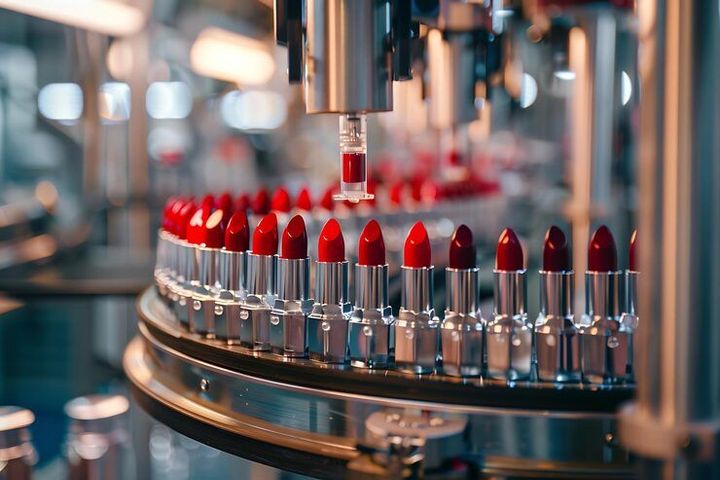
Lipstick Manufacturing Guide: Process, Ingredients, and Industry Insights Explained
Lipstick manufacturing is the industrial process of creating cosmetic lip products using a blend of waxes, oils, pigments, and additives. These products are designed to provide color, texture, and protection for the lips while meeting safety and quality standards.
Lipstick manufacturing ensures that lip products are consistent in performance, safe for human use, and suitable for different consumer preferences. Lipsticks are among the most widely used cosmetic items globally, requiring careful formulation and controlled production environments.
The process combines science and creativity, balancing texture, color, and durability. Manufacturers rely on precise ingredient ratios and hygienic systems to maintain quality across batches.
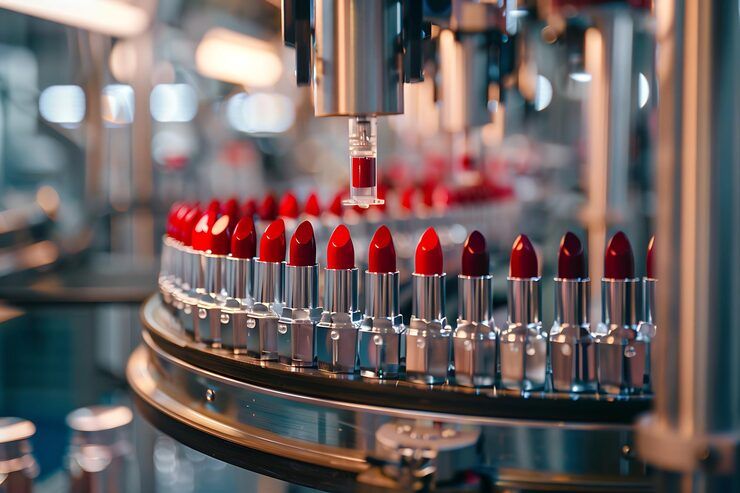
Basic Composition of Lipstick
Lipstick formulations are built using three main components that define structure, texture, and appearance.
Core Ingredients
- Waxes: Provide structure and firmness
- Oils and emollients: Add smoothness and hydration
- Pigments and colorants: Deliver the desired shades
Additional ingredients are often included to improve performance and shelf life.
Supporting Additives
- Preservatives for longer shelf life
- Fragrances for sensory appeal
- Antioxidants for stability
These elements enhance the overall user experience while maintaining product safety.
Lipstick Manufacturing Process
The manufacturing process involves multiple stages to ensure consistency and quality.
Key Production Steps
- Melt waxes and oils at controlled temperatures
- Mix pigments evenly into the base
- Homogenize for smooth consistency
- Pour into molds and allow cooling
- Inspect, package, and label products
Modern facilities often use automated systems to maintain hygiene and precision.
Why Lipstick Manufacturing Matters Today
Lipstick manufacturing plays a major role in the global cosmetics industry. It influences fashion trends, personal care routines, and cultural expression.
Key Reasons for Importance
- Growing demand for diverse and inclusive shades
- Increased focus on ingredient safety and transparency
- Expansion of sustainable and eco-friendly cosmetics
- Rising interest in dermatologically tested products
Industry Challenges Addressed
- Ensuring safe daily-use products
- Maintaining consistent color and texture
- Reducing contamination risks
- Adapting products for different climates and skin types
The industry also drives innovation, including long-lasting and hydrating formulations.
Recent Updates in Lipstick Manufacturing (2025 Trends)
The lipstick industry has seen significant advancements in 2025.
Emerging Trends
- Increased use of plant-based and vegan ingredients
- Development of long-wear and smudge-resistant formulas
- Integration of AI-driven quality control systems
- Growth of personalized cosmetics with digital shade matching
Sustainability and Innovation
Manufacturers are adopting recyclable and refillable packaging to reduce environmental impact. Clean beauty standards are also influencing ingredient selection and transparency.
Microencapsulation technology has improved color retention and hydration by releasing active ingredients gradually. Regulatory updates have further strengthened labeling and safety requirements.
Laws and Policies Affecting Lipstick Manufacturing
Lipstick production is regulated to ensure consumer safety and product quality.
Key Regulations in India
- Governed under the Drugs and Cosmetics Act, 1940
- Regulated by the Central Drugs Standard Control Organization (CDSCO)
- Mandatory safety, labeling, and hygiene standards
Global Regulatory Frameworks
- European Union: EU Cosmetics Regulation (EC) No 1223/2009
- United States: FDA oversight for cosmetic safety
Important Compliance Requirements
- Ingredient safety approval
- Full ingredient disclosure on labels
- Hygienic manufacturing conditions
- Stability and shelf-life testing
- Restrictions on harmful chemicals
Environmental policies also promote sustainable sourcing and waste reduction.
Tools and Resources for Lipstick Manufacturing
Various tools and digital systems support efficient production and quality control.
Common Tools
- Cosmetic formulation software
- Ingredient safety databases
- Color matching systems
- Laboratory testing equipment
- Automated manufacturing systems
Digital Resources
- Online ingredient directories
- Regulatory compliance platforms
- Quality tracking systems
- MSDS (Material Safety Data Sheet) databases
Key Ingredients and Their Functions
Below is a simplified table showing common lipstick ingredients and their roles:
| Ingredient Type | Function | Examples |
|---|---|---|
| Waxes | Structure and firmness | Beeswax, carnauba wax |
| Oils | Moisture and smooth texture | Castor oil, coconut oil |
| Pigments | Color | Iron oxides, titanium dioxide |
| Additives | Stability and preservation | Vitamin E, preservatives |
Industry Insights (2025)
The lipstick industry continues to evolve with a focus on innovation and efficiency.
Key Focus Areas
| Focus Area | Priority Level |
|---|---|
| Ingredient Transparency | High |
| Sustainable Packaging | High |
| Long-Lasting Formulas | High |
| Automation in Production | Moderate |
Digital tools now allow brands to test formulations virtually, reducing development time. There is also increasing demand for inclusive beauty products with broader shade ranges.
Frequently Asked Questions
What are the main ingredients in lipstick?
Lipstick typically contains waxes, oils, pigments, and additives such as preservatives and antioxidants. These ingredients work together to provide structure, color, and durability.
Is lipstick safe for daily use?
Yes, lipstick is generally safe when manufactured according to regulatory standards. Safety guidelines ensure that harmful substances are not present in approved products.
What is the difference between matte and glossy lipstick?
- Matte lipsticks contain more wax and less oil, giving a dry finish
- Glossy lipsticks contain more oil, providing shine and moisture
How long does lipstick last before it expires?
Most lipsticks have a shelf life of 1 to 2 years. This depends on formulation, storage, and exposure to air.
What is clean beauty in lipstick manufacturing?
Clean beauty focuses on safe, transparent, and environmentally conscious formulations. It avoids certain synthetic chemicals and emphasizes sustainability.
Conclusion
Lipstick manufacturing is a complex process that blends science, technology, and creativity. It ensures products are safe, effective, and suitable for diverse users.
With advancements in formulation, sustainability, and automation, the industry continues to grow. Regulatory frameworks remain essential in maintaining quality and consumer trust.