Luxury Apartments Dubai: Explore Premium Properties and Modern Living
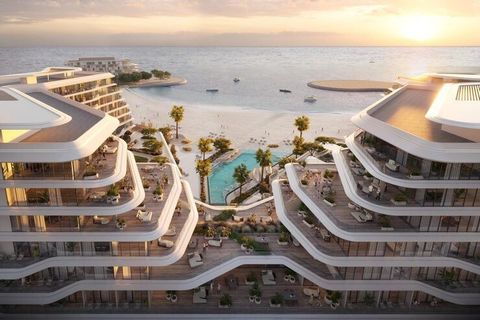
Dubai's apartment landscape reflects diverse modern lifestyles. The city has developed a varied residential environment featuring contemporary architecture, advanced building technology, waterfront developments, and established neighbourhoods. Luxury Apartments Dubai represent an important part of this changing residential landscape, combining modern design with facilities intended to support everyday comfort.
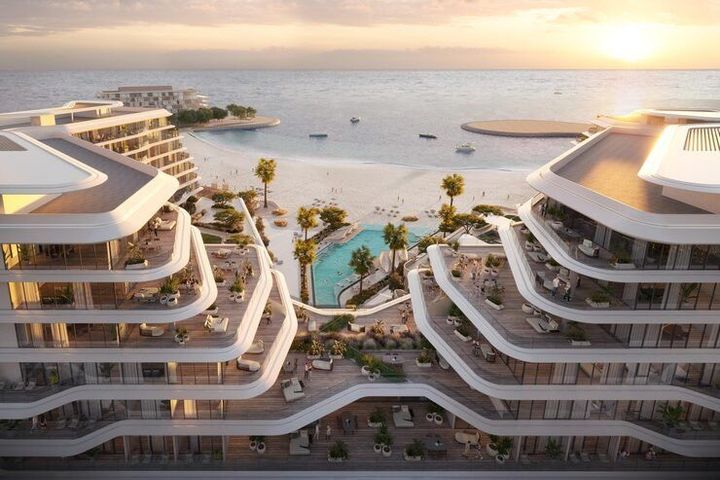
Dubai Real Estate includes residential properties in different locations, architectural styles, and price categories. Premium Apartments can be found in high-rise buildings, waterfront developments, and residential communities. These properties often include shared facilities such as swimming pools, fitness centres, landscaped gardens, parking areas, and security systems.
Modern Residential Living is also influenced by changing household needs. Residents increasingly consider accessibility, technology, environmental performance, and nearby facilities when evaluating apartments. These factors help explain why residential developments in Dubai include a wide range of layouts and community features.
Importance
Changing Residential Preferences
Residential preferences have evolved as cities become more connected and technology becomes increasingly integrated into everyday activities. People often consider more than apartment size when exploring housing options. Natural lighting, storage arrangements, privacy, building maintenance, and access to public facilities can influence residential decisions.
High-End Apartments may include larger living spaces, dedicated work areas, modern kitchens, private balconies, and carefully planned interiors. However, the availability of these features depends on the individual development and apartment configuration.
Location and Connectivity
Location is an important consideration in Dubai's residential market. Different neighbourhoods provide different combinations of transportation, employment centres, educational institutions, healthcare facilities, shopping areas, and recreational spaces.
Dubai Marina apartments, for example, are associated with waterfront surroundings, high-rise residential buildings, and access to dining and leisure facilities. Other residential areas provide quieter environments, landscaped surroundings, or convenient connections to business districts.
When comparing locations, residents commonly consider:
Distance from workplaces and educational institutions.
Availability of public transportation and major roads.
Nearby supermarkets, healthcare facilities, and recreational spaces.
Community maintenance, pedestrian access, and parking arrangements.
Noise levels, surrounding construction, and neighbourhood development.
Smart Homes and Modern Facilities
Smart Homes Dubai developments demonstrate how technology is becoming part of residential planning. Connected systems can help residents manage lighting, air conditioning, entertainment equipment, and selected security features through digital controls.
Some buildings also use automated access systems, visitor management technology, digital maintenance reporting, and energy monitoring. These features can improve building management and everyday convenience, although their availability varies between developments.
Recent Updates
Residential Design and Technology Trends
During 2025 and 2026, residential planning in Dubai has continued to reflect interest in connected technology, energy efficiency, flexible interiors, and community-based living. These trends are part of broader changes in international residential architecture.
Smart building systems are increasingly considered during the planning and operation of modern residential properties. Developers and building managers may incorporate automated lighting, efficient cooling equipment, digital access controls, and monitoring systems.
Flexible interior layouts are another noticeable design direction. Apartments may include multifunctional rooms, integrated storage, adaptable workspaces, and open-plan living areas. These arrangements help accommodate different household requirements.
Sustainable Residential Development
Sustainable Buildings are receiving attention because residential properties consume energy and water throughout their operational life. Building design can influence indoor temperatures, electricity requirements, water consumption, and waste management.
Common sustainability features include:
Energy-efficient lighting and cooling equipment.
Water-saving plumbing fixtures and landscaping systems.
Improved insulation and building envelope design.
Efficient waste collection and recycling arrangements.
Landscaping that considers local environmental conditions.
These features can support more responsible resource management, although actual environmental performance depends on building design, maintenance, and resident behaviour.
Laws and Policies
Property Ownership Regulations
Dubai has established legal frameworks governing residential property ownership, registration, transactions, and property management. The Dubai Land Department (DLD) oversees important real estate registration activities and maintains official property-related records.
Foreign nationals can purchase properties in designated freehold areas, subject to applicable regulations. Ownership conditions, registration requirements, and transaction procedures should be understood before entering a property agreement.
The Real Estate Regulatory Agency (RERA), operating under the DLD, provides regulatory oversight for relevant real estate activities. Its responsibilities include aspects of brokerage, property management, and real estate regulation.
Tenancy and Building Responsibilities
Residential tenancy arrangements are governed by applicable Dubai rental regulations. Rental agreements generally describe the responsibilities of landlords and tenants, including payment arrangements, maintenance obligations, and contract conditions.
Residents should understand the following:
Rental agreements and registration requirements.
Security deposit conditions and payment schedules.
Maintenance responsibilities and property handover procedures.
Applicable rules for contract renewal and termination.
Building regulations and community management requirements.
Regulations may change, so official government information should be consulted before making legal or financial decisions.
Tools and Resources
Understanding Residential Properties
People researching Dubai property investment can use different informational resources to understand residential developments, locations, and ownership procedures. Comparing reliable information helps create a clearer picture of the local property market.
Useful resources include:
Property Research Platforms: Review available residential listings, property descriptions, and location information.
Mortgage Calculators: Estimate potential monthly repayments using different financing assumptions.
Location Mapping Tools: Examine transport connections, nearby facilities, and neighbourhood layouts.
Government Property Resources: Access ownership regulations, registration procedures, and official real estate information.
Building Information Documents: Review floor plans, maintenance arrangements, community facilities, and building specifications.
When comparing properties, it is important to distinguish between advertised facilities and features confirmed in official property documents.
Comparing Apartment Features
The following table provides a general overview of common residential apartment categories in Dubai.
| Apartment Category | Common Characteristics | Important Considerations |
|---|---|---|
| Waterfront Apartments | Views, balconies, nearby leisure areas | Location, privacy, maintenance |
| Smart Apartments | Connected controls and automated systems | Technology compatibility |
| Family Apartments | Multiple bedrooms and shared facilities | Space and accessibility |
| Sustainable Apartments | Efficient lighting and cooling systems | Environmental performance |
| High-Rise Apartments | Elevated views and shared amenities | Building management and lifts |
These categories are descriptive rather than official classifications. Individual buildings may combine several features.
Frequently Asked Questions
What Makes Luxury Apartments Dubai Different?
Luxury apartments may include contemporary interiors, spacious layouts, advanced building systems, premium shared facilities, and carefully planned locations. Actual features differ between properties.
What Should Residents Consider When Exploring Dubai Marina Apartments?
Residents should examine transportation access, nearby facilities, building maintenance, surrounding noise, parking, and the apartment's layout before making a decision.
How Do Smart Homes Dubai Developments Work?
Smart homes use connected devices and digital systems to manage selected household functions, including lighting, cooling, security, and entertainment equipment.
Is Dubai Property Investment Regulated?
Yes. Dubai has established real estate regulations covering ownership registration, transactions, brokerage activities, and relevant property management responsibilities. Applicable requirements depend on the transaction.
Why Are Sustainable Buildings Important?
Sustainable buildings aim to improve resource efficiency through appropriate design, energy management, water conservation, and responsible waste management.
Conclusion
Dubai's residential environment combines modern architecture, technological development, established neighbourhoods, and changing lifestyle preferences. Luxury Apartments Dubai reflect these developments through different apartment layouts, waterfront locations, smart home features, and contemporary residential facilities.